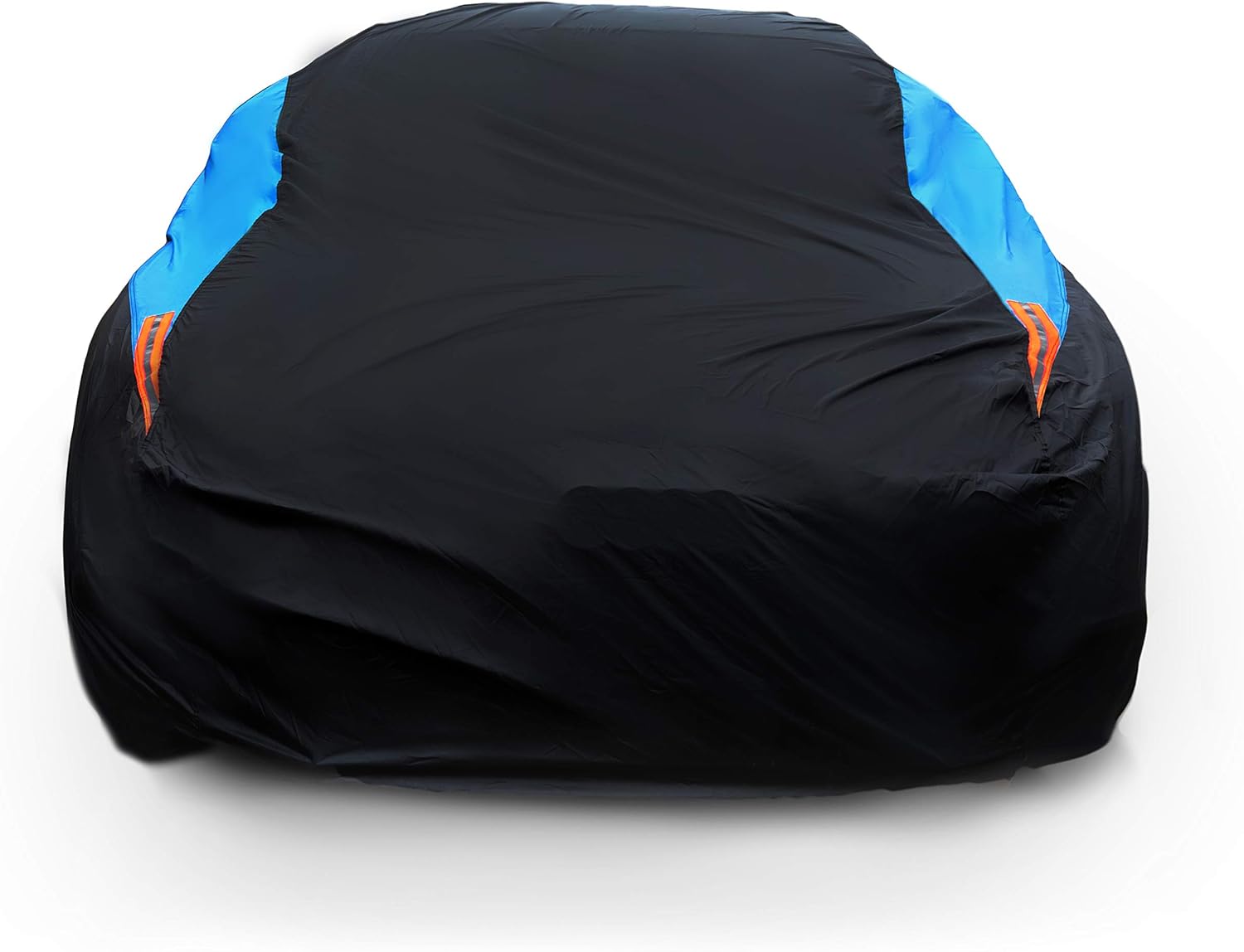
Can You Put a Car Cover in the Dryer? Safe Drying Guide
Quick Answer
In most cases, no. Most car covers should not go in the dryer because heat can warp the fabric, melt coatings, and ruin the water-repellent finish. A few polyester-blend covers tolerate a no-heat or low-heat cycle, but only if the manufacturer’s label says so.
What Determines Dryer Safety
- Fabric type: Non-woven and specialty covers can’t handle any heat.
- Care label: Some polyester blends allow low heat — always check first.
- Coatings: UV and water-repellent layers break down fast under heat.
Bottom Line on Drying Your Cover
-
✓
Air dry flat or on a rack whenever possible. -
✓
Never dry damp — it causes mildew and odor. -
✓
When unsure, air dry — it’s always safe.
You just washed your car cover and now it’s sitting in a wet heap. The dryer is right there. It would take twenty minutes instead of a whole afternoon on the line.
But before you toss it in, there’s a real risk of ruining the fabric for good. Car cover material reacts to heat very differently than a bath towel does. I’m Daniel Brooks, and after years of testing outdoor and indoor covers, I’ve seen what a hot dryer cycle does to a good cover.
Here’s exactly which covers can handle the dryer, which ones can’t, and how to dry yours the right way.
📌 Key Takeaways
-
→
Most manufacturers tell you never to dry non-woven car covers. -
→
Polyester fibers start to soften near 176°F, well below dryer heat settings. -
→
Some WeatherShield-type fabrics are the exception and tolerate regular dryer heat. -
→
Air drying flat or on a rack works for every fabric type without risk.
Can You Put a Car Cover in the Dryer?
The short answer is no, not for most covers. Heat is the enemy of the fabrics and coatings used in car covers, and a standard dryer cycle runs far hotter than these materials are built to handle. That’s true whether your cover is indoor, outdoor, or a hybrid design.
A handful of covers are the exception. Some WeatherShield-branded and heavy polyester-blend fabrics list regular dryer heat as acceptable on their care tag. Everything else — non-woven, multi-layer, and specialty fabrics — should stay out of the machine entirely.
✓ Quick Dryer-Safety Checklist
-
✓
Find and read the care tag sewn into your cover first. -
✓
If the tag says “air dry only,” skip the dryer completely. -
✓
No tag or unsure? Air dry — it’s the safe default for every fabric.
So what does that mean for you? If you can’t find the care tag or you’re not sure which fabric you have, air drying is the one method that will never damage the cover.
Why Dryer Heat Damages Most Car Covers
Most car covers are made from polyester or non-woven synthetic fabric. These materials start to soften and lose shape at surprisingly low temperatures, well before they officially melt.
You already know that leaving plastic near a hot stove warps it. Car cover fabric works the same way. What you might not know is that damage starts long before you’d see actual melting.
176°F
Polyester begins to soften
135°F
Typical high-heat dryer setting
482°F
Polyester’s actual melting point
Here’s why that matters: your dryer doesn’t need to hit the melting point to cause real harm. Heat exposure below the melting point can still ripple the fibers and warp seams, especially if the dryer runs hotter than usual or lint buildup traps extra heat.
You might be thinking your dryer’s “low” setting should be fine. Here’s why it’s still risky: home dryers cycle through hot and cool phases, and a stuck thermostat or clogged lint trap can push temperatures higher than the dial suggests.
So what does that mean for your cover? Warping shows up as puckered seams, uneven fit, or a coating that turns sticky or flaky. Once that happens, the cover no longer seals tightly against your car, which lets moisture and dirt through.
Car Cover Material and Dryer Safety
This table breaks down the most common car cover materials and whether dryer heat is ever appropriate for them.
Only the last row is a genuine exception. Manufacturer care guidance confirms most fabric types should never see the inside of a dryer.
How to Wash a Car Cover Before Drying It
Drying only matters once the cover is actually clean. Wash it the right way first, and the drying step becomes much simpler.
🔢 Step-by-Step: Washing a Car Cover Safely
-
1
Shake off loose debris
Remove dust and dirt before it turns to mud in the wash.
-
2
Use a front-load washer, no agitator
A center agitator can tear the fabric during the cycle.
-
3
Wash cold with a mild, non-abrasive cleaner
Skip fabric softener — it weakens the water-repellent finish.
-
✓
Rinse twice
Leftover cleaner residue attracts dirt and can degrade fabric over time.
Recommended Product
Simple Green All-Purpose Cleaner, 32 Fl Oz
★★★★★ 4.8 stars on Amazon
A non-abrasive, biodegradable cleaner that lifts dirt without weakening water-repellent coatings — the same type of cleaner several car cover manufacturers recommend for washing.
As an Amazon Associate, we earn from qualifying purchases.
The Right Way to Air Dry a Car Cover
Air drying takes longer than a dryer cycle, but it’s the one method that works safely on every car cover fabric. Here’s how to do it well.
✅ Tip
Lay the cover flat on a clean surface or drape it over a wide rack, not a thin wire hanger. A hanger concentrates the wet weight and can stretch the fabric out of shape.
Pick a shaded, breezy spot if you can. Direct sun speeds up drying but also fades color and stresses UV coatings over time. A garage with the door open or a covered patio works well.
That said, a slightly damp cover left in a bag is worse than a slow air dry. Trapped moisture breeds mildew fast, and that smell is much harder to remove than a few extra hours of drying time.
⚠️ Warning
Never fold or store a car cover while it’s still damp. Moisture trapped in storage causes mildew and musty odors that are difficult to fully remove later.
What Most People Get Wrong About Drying a Car Cover
Plenty of people treat a car cover like a bath towel. That mistake leads to avoidable damage, and it happens more often than you’d think.
Mistake one: Assuming “no heat” and “air fluff” settings are completely risk-free. The tumbling alone can still stress seams and edges, even without heat.
Mistake two: Believing all polyester covers behave the same way. Only specific fabrics like WeatherShield are built to tolerate regular dryer heat — most polyester blends are not.
Mistake three: Skipping the care tag entirely. The tag reflects the exact fabric blend used, and general advice online can’t account for every manufacturer’s formula.
Conclusion
Most car covers should stay out of the dryer, full stop. Heat softens the fibers and breaks down coatings long before you’d see obvious melting, and that damage isn’t reversible.
Air drying takes more patience, but it protects your investment and keeps the cover doing its job. One thing to do right now: go check the care tag on your cover before you wash or dry it again.
Frequently Asked Questions
Can I put my car cover in the washing machine?
Yes, if it’s labeled machine-washable. Use a front-loading washer without a center agitator, cold water, and a mild detergent. Extra-large covers may need a commercial-size machine at a laundromat.
What’s the best way to dry a car cover?
Lay it flat or hang it over a wide rack in a shaded, breezy spot. This dries every fabric type safely without risking heat damage from a dryer.
What happens if you dry a car cover on high heat?
High heat can warp seams, ripple the fibers, and break down water-repellent or UV coatings. In severe cases, the fabric can partially melt or fuse, permanently ruining the fit.
At what temperature does polyester melt?
Polyester typically begins to soften around 176°F and fully melts near 482°F. Standard dryer high-heat settings run well within the range that causes softening damage.
Can you use the no-heat or air-fluff setting on a car cover?
It’s lower risk than heat, but the tumbling motion can still stress seams and edges on thicker covers. Air drying flat remains the safer option overall.
How long does it take a car cover to air dry?
Most covers air dry in a few hours in a breezy, shaded spot, though thicker multi-layer covers can take longer. Flip it partway through to dry both sides evenly.
How often should you wash and dry a car cover?
Every few weeks to a few months, depending on exposure to dust, pollen, or tree sap. Regular cleaning prevents dirt from wearing down the fabric and paint-damaging grit from building up.

Daniel Brooks is an automotive writer and product researcher focused on car accessories, car tech, maintenance, and practical driving guides. At Plug-in Car World, he helps drivers make smarter automotive decisions through honest reviews and research-driven content.