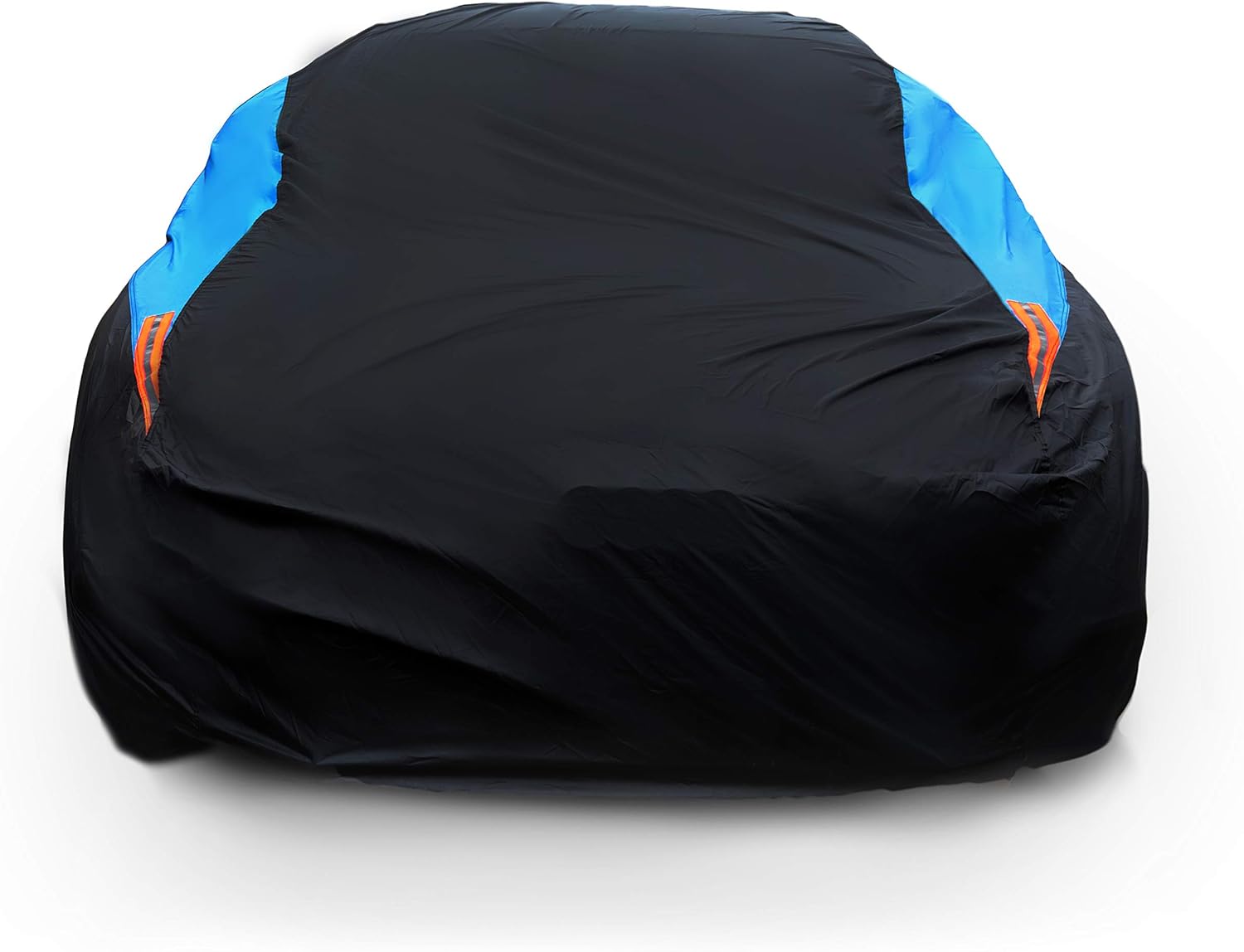
How Often to Wash a Car Cover? Full Schedule Guide
⚡ Quick Answer
Wash your car cover every 1 to 3 months if it stays outdoors, and every 3 to 6 months if it’s stored indoors. Dirt and moisture trapped under the fabric wear down its coating and can scratch your paint, so a dirty cover fails faster than a clean one.
What changes your car cover’s wash schedule
- Storage spot: outdoor covers collect grime 3 times faster than garage-kept ones.
- Climate: pollen, rain, and humidity all shorten the interval.
- Material: vinyl wipes clean fast; cotton blends need full washes sooner.
Before you wash it
-
✓
Check the care label for machine vs. hand-wash rules. -
✓
Shake off loose dirt and leaves first. -
✓
Never use bleach, hot water, or a home dryer.
You pull your car cover off on a Saturday morning and catch a musty whiff before you even fold it. Daniel Brooks here, and I’ve had that exact moment with more than one cover over the years.
A dirty car cover doesn’t just look bad. It traps grit against your paint every time the wind rubs it around. Dust and pollen build up between the fabric fibers, and that layer works like sandpaper.
So how often does it actually need a wash? The answer depends on where your car cover lives and what it’s exposed to. Let’s break down the real schedule, plus the safest way to clean it.
📌 Key Takeaways
-
→
Outdoor covers need washing every 1 to 3 months. -
→
Indoor covers can go 3 to 6 months between washes. -
→
Top-load washers with a center agitator can tear cover fabric. -
→
A wet, folded cover is the single biggest cause of mold.
How Often Should You Wash a Car Cover?
Most car covers need a wash every 1 to 3 months if kept outdoors, or every 3 to 6 months if kept indoors. That range isn’t arbitrary. It’s based on how fast dirt, pollen, and moisture build up against the fabric and start breaking it down.
Outdoor covers face rain, dust, bird droppings, and constant UV exposure. That combination speeds up grime buildup and weakens fibers at the same time. University research on UV-related fabric degradation shows that sun exposure alone can reduce fiber strength well before a stain ever shows up.
Indoor covers still collect dust and skin oils from handling, just at a slower pace. So what does that mean for you? If your car lives in a garage, you have more flexibility. If it’s parked outside, mark your calendar.
Here’s a quick breakdown of what pushes the schedule in either direction.
📋 Factors That Speed Up Wash Frequency
-
Trees overhead: sap and bird droppings need cleaning within days, not months. -
Humid or rainy climates: damp fabric left uncleaned invites mold fast. -
Dusty or coastal areas: fine grit and salt air work into the weave. -
Cotton or fleece covers: these absorb moisture and soil faster than vinyl.
But here’s the thing: waiting for visible dirt is the wrong trigger. By the time you can see grime, it’s already been grinding against your clear coat for weeks.
Does Storage Location Change the Schedule?
Yes, and it’s the single biggest factor. Where your cover lives day to day decides almost everything about how often it needs a wash.
This table compares the two most common situations side by side.
Use this as a starting point, then adjust based on your climate and how dirty the cover looks after a month.
So what does this mean for you? If you’re not sure which category you fall into, lean toward the shorter interval. A cover that’s washed a little early costs you an hour. A cover that’s washed too late can cost you a scratch.
Can You Machine Wash a Car Cover?
Sometimes, but only if the care label says so. Most car covers are too large or too delicate for a standard home washing machine, and the wrong machine can ruin the fabric in one cycle.
⚠️ Warning
Never use a top-load washer with a center agitator. It can tear the fabric and rip out seams. Skip bleach and fabric softener too, since both weaken water-resistant coatings.
You might be thinking, “My washer looks big enough.” Here’s why size isn’t the issue: it’s the agitator. A front-loading commercial machine, like the ones at a laundromat, spins the cover gently without snagging it.
If Machine Washing Is Allowed
✓ Machine Wash Checklist
-
✓
Use a front-load machine with no center agitator. -
✓
Set a gentle or delicate cycle with cold water. -
✓
Rinse twice to clear out all detergent residue.
That’s not all. Even machine-safe covers still need to skip the dryer. Heat can shrink the fabric or damage the waterproof layer, so air drying stays the rule either way.
How to Hand Wash a Car Cover
Hand washing is the safest method for almost every car cover, and it works whether the cover is on the car or laid out flat. It takes about 20 minutes and protects seams that a machine can’t.
🔢 Step-by-Step: Hand Washing Your Cover
-
1
Shake off loose debris
Remove leaves, dust, and grit before adding any water.
-
2
Mix a mild cleaning solution
Use a gentle detergent or a dedicated fabric cleaner with a bucket of cold water.
-
3
Scrub gently with a soft sponge
Work in sections and focus extra time on visible stains.
-
✓
Rinse thoroughly
Leftover soap attracts new dirt, so rinse until the water runs clear.
Recommended Product
303 Multi Surface Cleaner Spray, All Purpose Cleaner for Home, Patio, Car Care and Outdoor, 128 fl. oz.
★★★★★ Highly rated on Amazon
This cleaner is made for water-safe fabrics like car covers and rinses residue-free, so it won’t leave a film that attracts more dirt.
As an Amazon Associate, we earn from qualifying purchases.
How to Dry and Store It Without Damage
Air drying is the only safe option for almost every car cover. A dryer’s heat can shrink the fabric or break down its waterproof coating in a single cycle, so skip it every time.
Hang the cover over a clothesline, railing, or a clean, dry vehicle. Choose a shaded spot, since direct sun while wet adds extra UV stress on top of the washing itself.
✅ Tip
Flip the cover halfway through drying so both sides get even airflow, especially in humid weather.
Here’s why this step matters so much: a damp cover folded into a bag is the number one cause of mold. Moisture with no airflow gives mold everything it needs to take hold within 24 to 48 hours. The EPA’s guidance on mold and moisture control confirms that controlling moisture, not just cleaning, is the real key to keeping mold away.
Once it’s completely dry, roll or loosely fold the cover rather than creasing it tightly. Store it in a cool, dry place away from pests, and it’ll be ready for the next wash cycle in top shape.
Signs Your Cover Is Overdue for a Wash
Don’t wait for the calendar alone. Your cover will usually tell you it’s time before the schedule does.
📋 Quick Summary
A musty smell, visible spots, or a stiff, crusty feel all mean it’s time to wash now, regardless of how many weeks have passed since the last wash.
- A musty or damp smell when you remove the cover
- Visible bird droppings, sap, or dark spots
- Fabric that feels stiff, crusty, or gritty
- Faded or dull color compared to when it was new
What Most People Get Wrong About Washing a Car Cover
A lot of car owners assume a car cover only needs attention when it looks dirty. That’s backwards. Fabric damage from UV rays and trapped grit happens long before any stain is visible, so waiting for visible dirt means you’re always cleaning too late.
Another common mistake is tossing the cover in a regular top-load washer. The agitator that gets your laundry clean is the same mechanism that tears cover seams and creates permanent snags.
Finally, plenty of people fold a still-damp cover to save time. That single habit is behind most of the moldy, musty covers people end up replacing early.
Final Thoughts
A car cover only protects your paint if it stays clean itself. Stick to the 1-to-3-month outdoor and 3-to-6-month indoor guideline, and adjust sooner if you notice a musty smell or visible grime.
Hand washing with a mild, fabric-safe cleaner is the safest route for nearly every cover on the market. Air dry it fully before folding, every single time.
One thing to do right now: go check your cover for that musty smell. If it’s there, plan a wash this weekend before it sits another month.
Frequently Asked Questions
How often should you wash a car cover?
Wash outdoor covers every 1 to 3 months and indoor covers every 3 to 6 months. Adjust sooner if you notice a musty smell, visible stains, or stiff fabric before that window is up.
Can I use bleach or fabric softener on a car cover?
No. Bleach breaks down water-resistant coatings, and fabric softener leaves a residue that attracts more dirt. Stick to a mild, bleach-free detergent or a dedicated fabric cleaner instead.
Why does my car cover smell musty?
A musty smell almost always means mold or mildew has started growing, usually from folding the cover away while it was still damp. Wash it, dry it completely, and store it only once it’s bone dry.
Should I wash my car cover more often in winter or summer?
Wash more often in whichever season brings more moisture or debris where you live. Rainy winters and pollen-heavy springs both call for shorter intervals than a dry, mild summer.
Can a dirty car cover scratch my car’s paint?
Yes. Trapped grit acts like fine sandpaper every time wind or handling moves the cover against your car’s surface. Regular washing removes that grit before it can cause micro-scratches.
Do I need to remove the cover from the car to wash it?
Not always. Hand washing works fine with the cover left on the vehicle. If it’s heavily soiled or you’re machine washing, remove it first to avoid pushing dirt deeper into the fabric.
How long does it take a car cover to dry completely?
Most covers dry within a few hours on a warm, breezy day when hung fully open. In humid or cool weather, give it closer to a full day and check for damp spots before folding.

Daniel Brooks is an automotive writer and product researcher focused on car accessories, car tech, maintenance, and practical driving guides. At Plug-in Car World, he helps drivers make smarter automotive decisions through honest reviews and research-driven content.