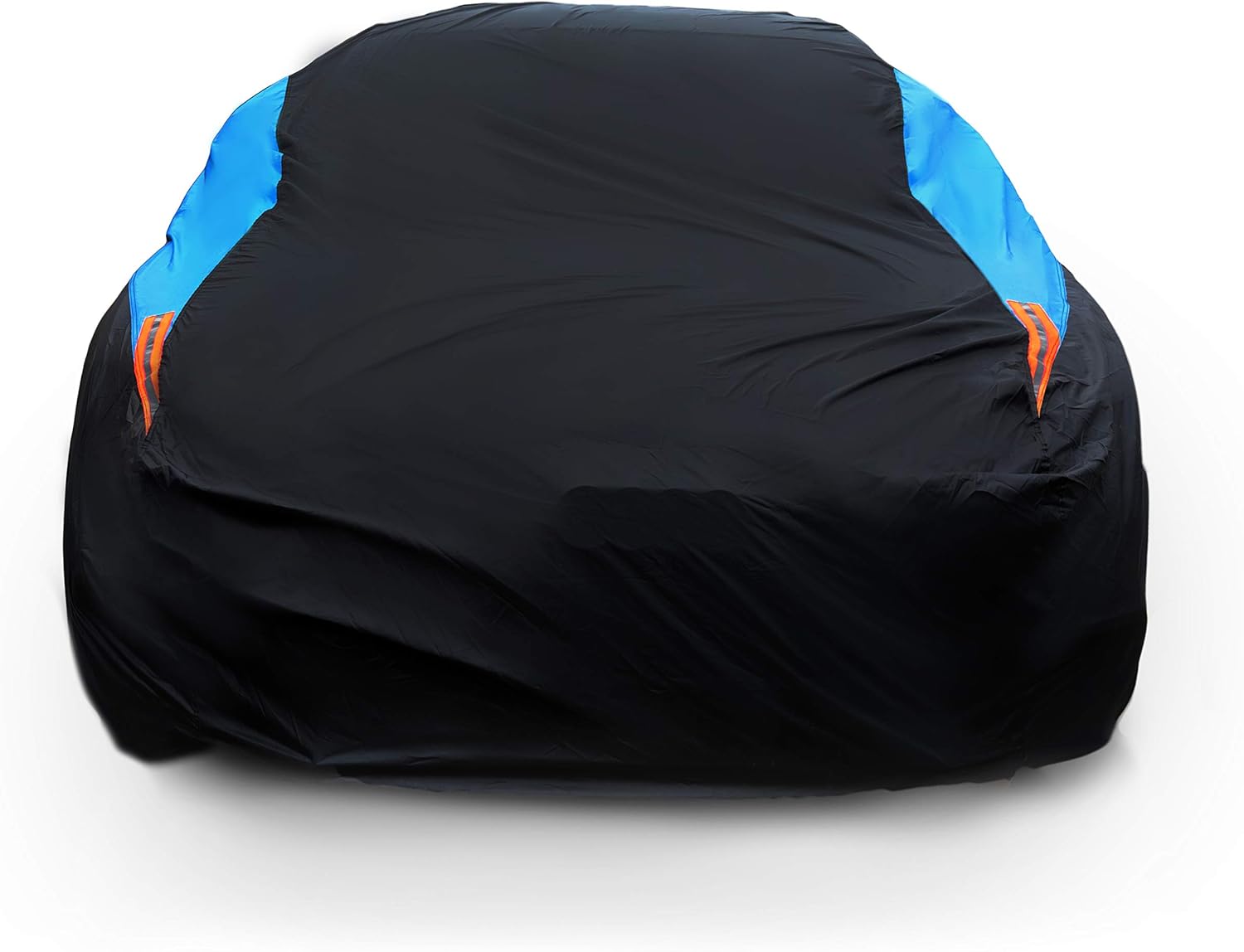
Covercraft vs XCAR Car Cover — Which One Actually Protects Your Car?
Quick Answer
Covercraft wins on fit, fabric quality, and long-term durability because it’s built custom to your exact vehicle. XCAR wins on price, costing roughly a third as much, but buyers report thinner material and looser universal sizing. Choose Covercraft if you park outdoors year-round; choose XCAR if you need light, occasional protection on a budget.
The real difference between Covercraft and XCAR car covers:
- Covercraft is custom-fit per vehicle; XCAR is sized by length range only
- Covercraft costs more but holds up longer outdoors
- XCAR costs less but several buyers report thin, flimsy fabric
I’m Daniel Brooks. I’ve spent years testing outdoor gear and vehicle accessories, and car covers are one of those products people buy once and regret twice. You either overpay for something you didn’t need, or you save money and watch the cover shred after one windy season.
Covercraft and XCAR sit on opposite ends of that decision. One is a decades-old American brand that builds covers to the exact shape of your car. The other is a budget Amazon brand that fits a size range instead of a specific model. Both claim to be waterproof. Both claim to protect against sun, rain, and dust.
They don’t deliver the same thing. Here’s what actually separates them, based on real specs, real pricing, and real buyer feedback — not marketing copy.
Covercraft Overview: Custom-Fit Protection Built for the Long Haul
Covercraft makes vehicle-specific car covers, not one-size-fits-most sheets. Every cover is cut to match a particular make and model, with sewn-in mirror pockets, grommets for a cable lock, and elastic hems that hold the fabric tight against body panels.
The brand sells several fabric tiers. Ultra’tect uses a solution-dyed WeatherMaxSL fabric built for moderate outdoor exposure and typically lands in the $150 to $300 range depending on vehicle size. WeatherShield HP and HD sit above that, built for full all-weather exposure with better UV and fade resistance, often running $400 to $700+ for larger vehicles. Solution-dyeing means the color runs through the fiber itself, not just a surface coat, so the cover resists fading even after years outdoors.
Most buyers choosing Covercraft own a vehicle that lives outside full-time — a driveway car, a garage-less apartment dweller, or a second vehicle without covered parking. The custom fit matters most here: a cover that flaps loosely in the wind wears out fast from constant friction against the paint.
XCAR Overview: A Budget Option for Occasional Outdoor Use
XCAR sells universal-fit car covers sized by vehicle length rather than by exact model. A sedan buyer picks a cover rated for “up to 185 inches” or “up to 200 inches,” and an SUV buyer does the same with a different size chart. The material is marketed as lightweight, waterproof, and breathable.
Pricing runs much lower than Covercraft, typically $35 to $90 depending on vehicle size. That price point makes XCAR attractive for renters, seasonal storage, or anyone who just wants basic dust and light-rain protection without a big spend.
Real buyer feedback on XCAR listings is mixed. Amazon’s review summaries for XCAR covers note that customers find the cover easy to apply and good value for money, but material quality gets mixed feedback — several buyers describe the fabric as thin. One review specifically compared the feel to paper and questioned whether the cover was actually built with the number of layers advertised.
Full Spec Comparison: Covercraft vs XCAR
Covercraft leads on fit and fabric durability, since every cover is built for one exact vehicle. XCAR leads on price, often costing a third of what a comparable Covercraft model runs. The fit gap matters more than most buyers expect — a loose cover flaps in wind and grinds against paint over time.
| Spec | Covercraft | XCAR | Winner |
|---|---|---|---|
| Price Range | $150–$700+ | $35–$90 | XCAR |
| Fit Type | Custom, vehicle-specific | Universal, by length range | Covercraft |
| Fabric Weight | Heavier, layered fabric tiers | Ultra-light, thinner material | Covercraft |
| Fade Resistance | Solution-dyed, long-term color hold | Not specified by brand | Covercraft |
| Mirror Pockets | Sewn-in on most models | Not included | Covercraft |
| Ease of Solo Use | Heavier, takes more effort | Lightweight, quick on/off | XCAR |
| Long-Term Outdoor Durability | Built for full-time exposure | Better suited to occasional use | Covercraft |
Which Fits Better: Covercraft or XCAR?
Covercraft wins on fit because every cover is cut to one specific vehicle. XCAR uses length-based sizing, which means the cover can sit loose around the body panels of anything shorter than the maximum rated length. A loose cover moves in the wind. That movement rubs against the clear coat over time and can leave fine scratches, especially in dusty conditions.
Custom fit also affects how well a cover sheds water. When fabric hugs the body, rain runs off cleanly. When it billows, water can pool in the slack sections and eventually work its way underneath.
This gap matters most for anyone parking outdoors every day. It matters far less for someone covering a car in a garage during a two-week trip, where loose fit is just a minor inconvenience.
Which Is Better Value: Covercraft or XCAR?
XCAR wins on raw price, often costing a third of a comparable Covercraft model. That gap buys real savings for anyone who only needs light, occasional coverage.
But value depends on how long a cover needs to last. A $60 XCAR cover that needs replacing every year costs more over three years than it looks like on day one. A $250 Covercraft Ultra’tect cover built for the same three years, with better fade and fabric resistance, can work out cheaper per year of use even though the upfront price is higher.
Buyers who cover their car occasionally, or who plan to sell the vehicle within a year or two, get the better deal from XCAR. Buyers keeping a car long-term and parking outdoors daily get more value from Covercraft’s higher upfront cost.
Which Handles Full-Time Outdoor Exposure Better: Covercraft or XCAR?
Covercraft wins for full-time outdoor use. Its solution-dyed fabric tiers are built specifically for sustained sun, rain, and temperature exposure, and the tighter custom fit reduces the wind-flap wear that shortens a cover’s life.
XCAR’s ultra-light fabric trades durability for ease of handling. Several Amazon buyers report the material feeling thin, and at least one review raised doubts about whether the advertised layer count matched what actually shipped. That’s a real concern for anyone expecting a cover to survive a full winter or a full summer outdoors.
Never drive with a car cover attached, and always secure loose-fit covers like XCAR’s with straps or a cable lock in high-wind areas. A cover that shifts or partially detaches can scratch paint or become a road hazard.
Real-World Use Cases: Which One Wins?
- Daily outdoor parking, no garage: Covercraft wins. The custom fit and heavier fabric hold up to constant sun and weather exposure.
- Renters storing a second car seasonally: XCAR wins. Lower cost fits a cover that only comes out for a few months a year.
- Cold-climate winter storage: Covercraft’s WeatherShield HD line wins for buyers facing heavy snow and ice, thanks to its heavier, more weather-resistant fabric.
- Selling the car within a year: XCAR wins. There’s little reason to invest in a custom cover for a vehicle you won’t keep.
- Fleet or commercial vehicle storage: Covercraft wins for consistency — ordering multiple custom-fit covers for identical fleet vehicles keeps every unit protected the same way, while universal covers vary in how well they sit on each vehicle.
- Budget-conscious first-time buyer testing whether a cover is worth it: XCAR wins as a low-risk way to try the habit before committing to a bigger spend.
Is Covercraft Worth the Extra Money Over XCAR?
Covercraft is worth the premium for anyone parking outdoors full-time or keeping their vehicle for more than two years. The custom fit and solution-dyed fabric extend the cover’s usable life, which offsets the higher upfront cost over time.
For occasional or short-term use, the premium isn’t worth it. XCAR delivers acceptable light-duty protection at a fraction of the price, and there’s little sense paying for years of fade resistance a buyer won’t use.
Both brands’ prices fluctuate with seasonal demand, so it’s worth checking current Amazon pricing before buying — car cover prices often dip during major sales periods.
Who Should Buy Which?
Buy Covercraft if long-term outdoor protection matters more to you than upfront cost. Buy XCAR if you need basic, affordable coverage for occasional or short-term use.
- Park outdoors every day, year-round
- Plan to keep the vehicle more than two years
- Live somewhere with heavy sun, snow, or rain exposure
- Want the tightest possible fit for your exact model
- Only need coverage for occasional storage
- Are working with a tight budget
- Plan to sell or replace the car soon
- Want a lightweight cover that’s quick to put on solo
- You have a covered garage — a breathable indoor cover from a brand like Duck Covers is cheaper and sufficient
- You need hail protection — neither brand markets padded hail-resistant covers; look at a dedicated hail cover instead
How to Maintain Your Car Cover
Always let a wet cover fully dry before folding and storing it. Trapped moisture is the fastest way to grow mildew on any car cover fabric.
Wash both Covercraft and XCAR covers by hand or on a gentle cycle with mild detergent — avoid bleach and fabric softener, which break down water-repellent coatings. Air-dry fully before folding.
Check the cover’s straps and grommets each season. A cable lock through the grommets keeps the cover from lifting in wind, which matters more for XCAR’s looser universal fit than for a custom Covercraft model.
Store the cover somewhere dry between uses. A damp cover left folded in a trunk or garage corner will mildew within days, regardless of brand.
Final Verdict — Covercraft or XCAR: Which Should You Buy?
Covercraft is the stronger overall product. Its custom fit, solution-dyed fabric, and multiple weather-rated tiers make it the better choice for anyone protecting a vehicle outdoors long-term. XCAR earns its place as a budget option — it costs far less and works fine for short-term or occasional coverage, but buyer reports of thin material and loose fit mean it’s not built for years of daily outdoor exposure.
If you need maximum protection and plan to keep your car for years, go with Covercraft. If budget matters more than longevity, XCAR gets the job done for now.
Frequently Asked Questions
Which is better, Covercraft or XCAR?
Covercraft is better for long-term, full-time outdoor protection because it’s custom-fit and uses more durable, fade-resistant fabric. XCAR is better for short-term or occasional use, since it costs far less but doesn’t fit or hold up as well over time.
What is the main difference between Covercraft and XCAR car covers?
Covercraft builds covers to the exact shape of one vehicle. XCAR sells universal covers sized by length range, which fit more loosely. That fit difference affects wind resistance, water shedding, and how fast the fabric wears out.
Is Covercraft worth the extra money?
Yes, if you park outdoors daily and keep your vehicle for more than a couple of years. The custom fit and stronger fabric extend the cover’s useful life, which can make it cheaper per year than replacing a budget cover repeatedly.
Does XCAR work well in cold or wet weather?
XCAR covers are waterproof and can handle light rain and snow, but the ultra-light fabric isn’t built for sustained harsh weather. For heavy winter exposure, a heavier fabric tier like Covercraft’s WeatherShield HD holds up better.
How long does a car cover typically last?
A custom-fit Covercraft cover can last several years with regular care, thanks to its heavier, fade-resistant fabric. A budget universal cover like XCAR often needs replacing sooner, especially with daily full-time outdoor use.
Affiliate Disclosure:
As an Amazon Associate, I earn from qualifying purchases.
If you click a link on this page and make a purchase,
I may receive a small commission — at no extra cost to you.
I only recommend products I genuinely believe will help you.
This helps keep the site free and running. Thank you for your support.

Daniel Brooks is an automotive writer and product researcher focused on car accessories, car tech, maintenance, and practical driving guides. At Plug-in Car World, he helps drivers make smarter automotive decisions through honest reviews and research-driven content.