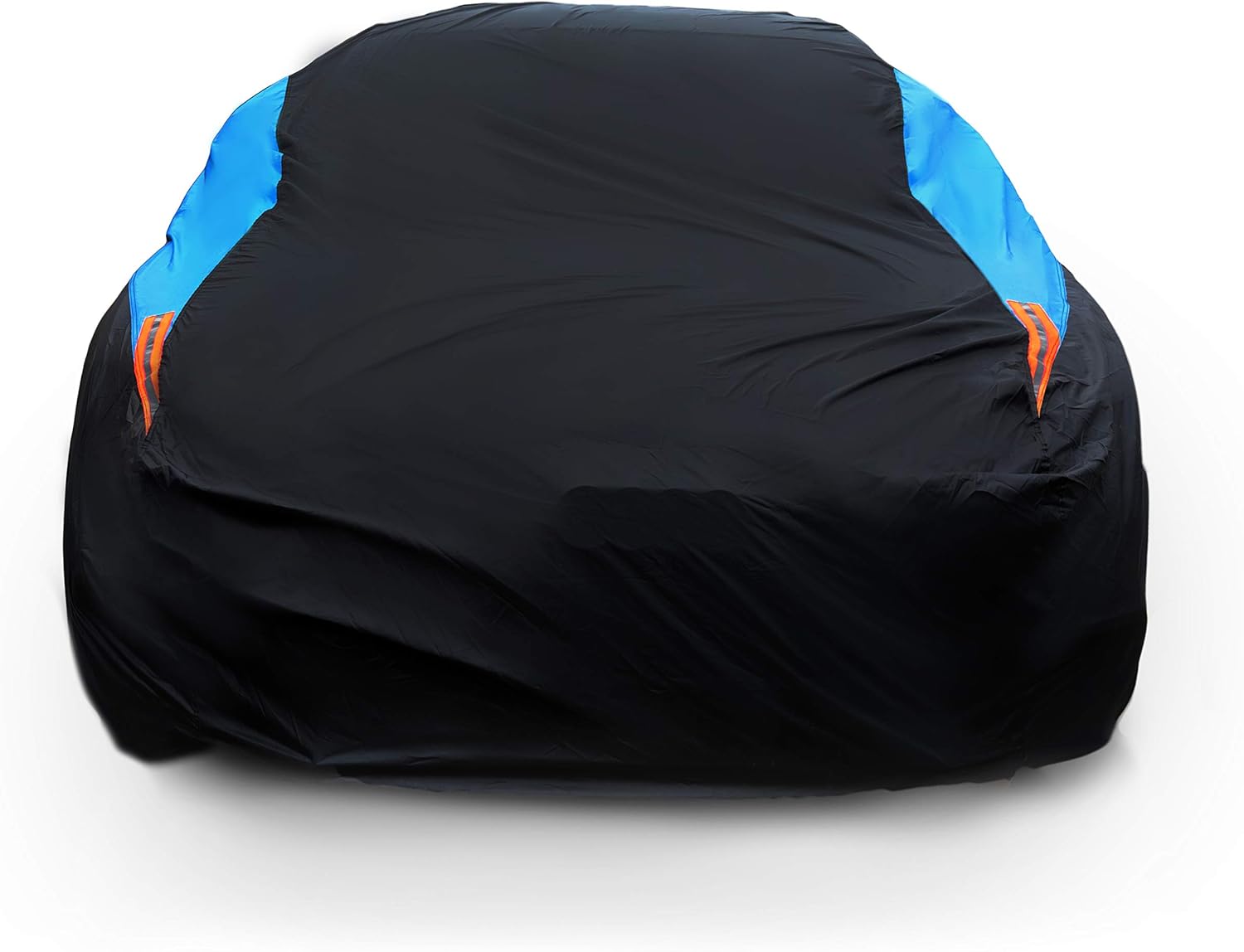
Can a Car Cover Scratch Glass? What Every Owner Should Know
⚡ Quick Answer
Yes, a car cover can scratch glass, but it’s rarely the cover itself. Trapped dirt, sand, or grit between the fabric and the windshield acts like sandpaper every time the cover shifts in the wind or gets pulled on and off.
What causes the scratching
- Dirty glass: Dust left on the windshield grinds against the cover fabric.
- Wind movement: A loose cover rubs back and forth across the glass.
- Rough installation: Dragging the cover on and off daily wears the surface.
How to avoid it
-
✓
Wash and dry the car before covering it. -
✓
Choose a soft, non-abrasive inner lining. -
✓
Secure it with straps so it can’t flap in wind.
Daniel Brooks has watched plenty of owners panic the first time they spot fine lines on their windshield after pulling off a car cover. It’s a fair worry. Glass shows scratches more clearly than paint, especially when sunlight hits at the wrong angle.
The cover itself usually isn’t to blame. It’s almost always what’s stuck between the fabric and the glass, or how the cover moves when nobody’s watching. So how do you stop it from happening to your car? Let’s break down exactly where the risk comes from and how to shut it down for good.
📌 Key Takeaways
-
→
Trapped grit, not the fabric, causes most cover-related scratches. -
→
Soft-lined covers made of fleece, satin, or microfiber are far gentler on glass than vinyl. -
→
Loose, ill-fitting covers flap in wind and rub the same spot on the windshield repeatedly. -
→
Light glass scratches can often be buffed out with polishing compound; deep ones need a professional.
Why Does a Car Cover Scratch Glass?
A car cover scratches glass when something abrasive sits between the fabric and the windshield. Dust, sand, pollen, and even dried rain spots all work like fine sandpaper once the cover shifts even slightly.
Think of it like wiping your windshield with a dry cloth when it’s covered in dust. You already know that scratches glass. A car cover does the same thing, just slower and across a much bigger area.
The good news: glass is harder than most fabrics, so light surface marks are usually shallow swirl marks rather than deep gouges. The bad news is they’re easy to see, since glass has no clear coat to hide minor abrasion the way paint does.
⚠️ Warning
Removing and reapplying a cover daily on a dirty car is the single biggest cause of windshield swirl marks.
What Makes a Car Cover More Likely to Scratch Glass?
Some covers are far riskier for glass than others. Material, fit, and how often you take it on and off all matter just as much as how clean the car is.
This table compares common car cover materials and how gentle they are on glass and paint.
Soft, breathable fabrics with non-abrasive linings carry the lowest risk to glass and paint alike.
Fit matters just as much as fabric. A cover that’s too loose flaps in the wind and rubs the same spot on the windshield over and over. A snug, properly sized cover with a secure hem barely moves at all.
How Do You Put on a Car Cover Without Scratching the Glass?
The process matters as much as the cover itself. Following the right steps every time cuts the risk down close to zero.
🔢 Step-by-Step: Covering Your Car Safely
-
1
Wash and dry the car first
Removing dust and grit stops it from grinding against the glass under the cover.
-
2
Lay the cover down gently
Drape it from front to back instead of dragging it across the windshield.
-
3
Secure the hem and straps
A snug fit stops wind from lifting and dragging the cover across the glass.
-
✓
Lift the cover off when removing it
Pulling it off in one sliding motion is what causes most everyday swirl marks.
That’s it. No special tools, just a clean car and a careful hand. Cold-climate drivers also get a side benefit: a dedicated windshield cover stops ice from bonding to the glass, so you skip the metal ice scraper that causes its own scratches.
What Should You Do If Your Windshield Already Has Scratches?
Light surface scratches from a cover are usually fixable at home. Deeper ones need a professional, and ignoring them is a safety risk.
Glass scratches matter for more than looks. Even small marks can scatter light from headlights or sunset glare, cutting your visibility right when you need it most.
📋 Fixing Glass Scratches: Your Options
-
Toothpaste buffing: Works on the lightest hairline marks using gentle circular motion. -
Glass polishing compound: A stronger fix for moderate scratches using a soft pad or buffer. -
Windshield repair kit: Seals a scratch with cerium-oxide compound to stop it spreading. -
Professional repair: Needed for deep scratches that catch a fingernail.
You might be thinking a deep scratch just means living with reduced clarity. Here’s why that’s not your only option: most insurers also cover windshield repairs under comprehensive coverage, often with no deductible if the damage can be repaired rather than replaced.
What Most People Get Wrong About Car Covers and Glass
A few stubborn myths keep car owners making the same mistakes year after year.
💡 Key Insight
A more expensive cover isn’t automatically safer for glass. A cheap, soft, well-fitted cover on a clean car beats a premium cover used carelessly on a dirty one.
Myth: All car covers scratch glass the same way. Fact: lining material and fit change the risk dramatically, as the comparison table above shows.
Myth: A cover replaces washing. Fact: covering a dirty car traps grit against the glass and paint, which is the real source of most scratches.
Myth: Vinyl and plastic covers are fine for everyday use. Fact: thin plastic and vinyl shells are far more abrasive than fleece, satin, or microfiber linings, especially with daily on-off use.
Conclusion
A car cover doesn’t have to scratch your glass. The risk comes from dirt, poor fit, and rushed removal, not the cover itself.
Choose a soft-lined, well-fitted cover, and keep your windshield clean before every use. That one habit prevents almost every cover-related scratch out there.
One thing to do right now: walk out and check whether your current cover has any grit trapped underneath it. If it does, shake it out before you put it back on.
Frequently Asked Questions
Does a car cover scratch the windshield?
It can, but usually only if dirt or sand is trapped underneath the cover or it shifts in the wind. A clean windshield and a soft-lined, snug-fitting cover almost eliminate the risk.
What car cover material is safest for glass?
Fleece, satin, and microfiber linings are the gentlest options. They’re soft enough to avoid friction damage while still trapping less dust than rougher materials.
Should I wash my car before putting on a cover?
Yes, always. Washing and drying the car removes the dust and grit that turns a soft cover into sandpaper once it rubs against the glass and paint.
Can you remove scratches from a windshield caused by a car cover?
Light hairline scratches often buff out with toothpaste or a glass polishing compound. Deeper scratches that catch a fingernail need a professional auto glass repair shop.
Does insurance cover windshield scratches from a car cover?
It depends on your policy. Comprehensive coverage often pays for windshield repair or replacement, though minor cosmetic scratches may fall below your deductible and not be worth claiming.
Will a car cover scratch paint too?
Yes, the same trapped grit and wind movement that scratches glass can also leave swirl marks on paint. Paint has a clear coat, so marks are usually less visible than on glass.
How often should I take my car cover off?
Only as often as you actually need to drive. Frequent daily removal and reapplication is one of the biggest causes of swirl marks, so a fitted, secure cover used for longer stretches is gentler on glass.

Daniel Brooks is an automotive writer and product researcher focused on car accessories, car tech, maintenance, and practical driving guides. At Plug-in Car World, he helps drivers make smarter automotive decisions through honest reviews and research-driven content.