
Does a Steering Wheel Cover Affect Car Insurance? What to Know
Quick Answer
Generally, a standard, removable steering wheel cover does not affect your car insurance premiums or require formal policy declaration because it is classified as a minor, non-permanent accessory rather than a structural vehicle modification. However, if an ill-fitting or unsecured cover directly contributes to a loss of vehicle control and causes an accident, it can complicate claim investigations or liability determinations.
Understanding Car Insurance and Minor Accessories
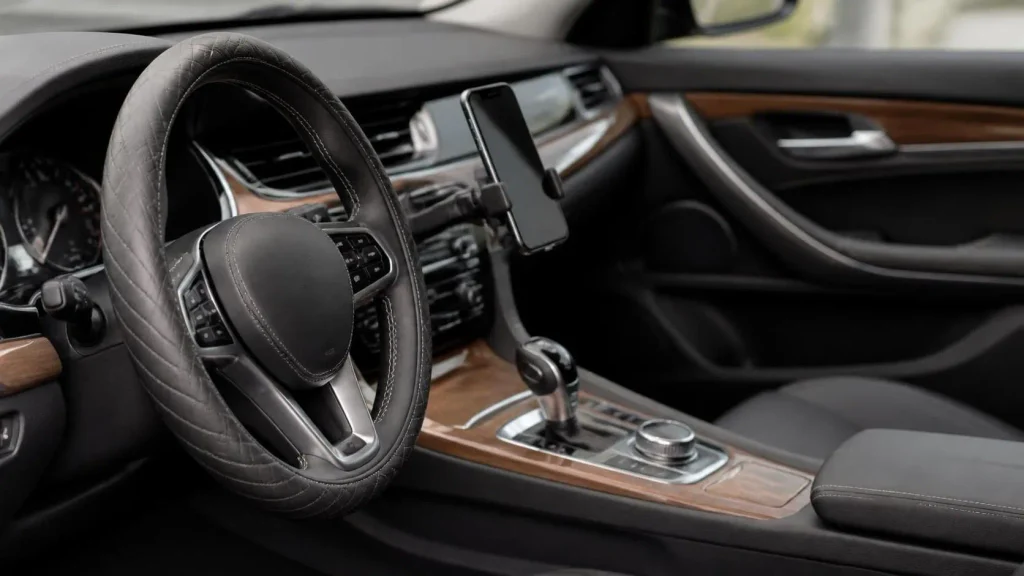
When drivers think about vehicle modifications, they usually picture performance upgrades, custom body kits, or mechanical alterations. Standard insurance underwriting guidelines focus heavily on changes that alter a car’s market value, performance characteristics, or safety profile.
Removable interior add-ons—such as floor mats, seat cushions, phone holders, and steering wheel covers—sit outside this major modification category. Because they can be uninstalled in seconds without tools, insurers generally view them as portable personal property rather than permanent vehicle modifications.
As a result, simply sliding a leather or fabric cover onto your steering wheel will not trigger a mandatory call to your insurance provider, nor will it typically cause your monthly premium to rise.
When a Steering Wheel Cover Could Impact a Claim
While standard installation does not affect active policies, the physical safety behavior of the accessory introduces distinct liability considerations. If an accessory compromises your ability to operate the vehicle safely, it can enter into the investigation if an incident occurs.
The primary concern involves physical fit. A loose, worn, or incorrectly sized steering wheel cover can slip independently of the steering mechanism. If a driver experiences a delayed reaction or a loss of steering precision because the cover rotates around the wheel during an emergency maneuver, investigators examining the crash may flag the hazard.
Warning
Loose or slip-on steering accessories that obstruct hand grip or impede rapid steering adjustments introduce preventable physical risks. If a loose cover is proven to have caused a driver to lose control, adjusters may scrutinize contributory negligence during claims processing.
Insurance adjusters and forensic investigators evaluate whether driver error, mechanical failure, or external conditions caused a collision. While it is rare for a basic accessory to trigger a claim denial on its own, avoiding poorly secured products protects both your physical safety on the road and the straightforward processing of potential claims.
Permanent Steering Modifications vs. Removable Covers
It is vital to distinguish between a removable fabric or leather wrap and a permanent steering wheel alteration. Permanent changes carry entirely different insurance obligations:
- Removable Steering Wheel Covers: Slip-on or lace-on wraps. These are temporary, non-structural, and generally do not require disclosure to insurers.
- Aftermarket Steering Wheels: Custom steering wheels requiring the removal of factory units—especially those lacking integrated airbags or altering factory safety systems. These constitute permanent safety modifications.
- Quick-Release Hubs: Performance or racing setups that change the steering column configuration. These must be declared because they alter factory safety equipment and crash structures.
Failing to report permanent steering wheel replacements or modifications that disable factory Supplemental Restraint Systems (SRS) can create serious complications during an insurance claim investigation, as insurers expect full disclosure of structural or safety-critical equipment alterations.
What to Check Before Installing an Interior Accessory
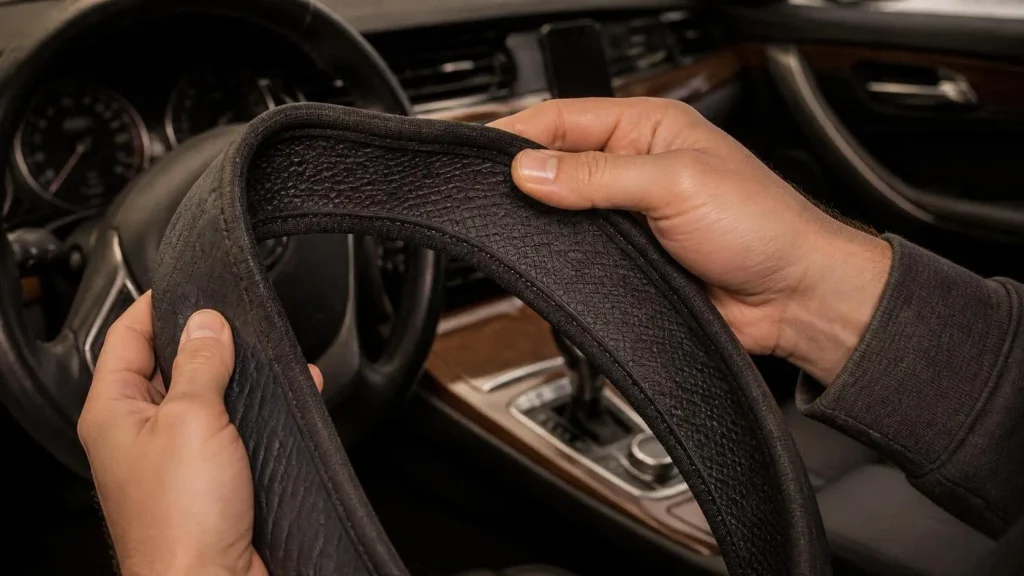
To ensure your interior additions remain completely separate from any insurance or safety liabilities, prioritize proper fit and secure installation. A quality accessory should integrate seamlessly with your driving ergonomics without introducing mechanical interference.
Look for tight-fitting, vehicle-specific sizing guidelines rather than generic “one-size-fits-all” options that tend to stretch and slip over time. Regularly inspect the material for wear, fraying, or loss of elasticity, especially in extreme temperatures where materials can expand or become slick.
Tip
Choose steering wheel covers featuring a textured inner rubber lining designed to grip the factory wheel tightly, preventing unexpected slipping during sharp turns or emergency maneuvers.
Maintaining a firm, uncompromised grip on your vehicle’s controls ensures that your driving experience remains predictable, safe, and completely insulated from unnecessary administrative or claim-related disputes.
Related Product
Non-Slip Leather Steering Wheel Covers
A securely fitted, breathable steering wheel cover improves grip comfort while maintaining stable, slip-free control over your vehicle.
As an Amazon Associate, we earn from qualifying purchases.
Frequently Asked Questions
Do I need to notify my insurance company about a steering wheel cover?
No. Standard, removable steering wheel covers are considered temporary cabin accessories rather than vehicle modifications, so they do not need to be declared to your insurance provider.
Can an insurance claim be denied because of a steering wheel cover?
A claim would only be impacted in rare situations where an unsecured, slipping cover directly contributed to a loss of control, and investigators specifically linked the accessory’s failure to the incident.
Are steering wheel covers considered permanent vehicle modifications?
No. Because they can be easily installed and removed without tools, they are classified as portable cabin items, unlike welded or bolted structural components.
Does modifying my steering wheel affect my car warranty?
A removable cover does not affect your factory warranty. However, permanently replacing the steering wheel or disabling factory steering-column electronics can impact components of your warranty related to those systems.
What types of interior accessories require insurance disclosure?
Major custom installations—such as custom roll cages, specialized hand-controls for drivers with disabilities, or high-value custom audio equipment—usually require formal policy disclosure or specialized rider endorsements.
How can I ensure my steering wheel cover is safe to use?
Choose a cover sized precisely for your steering wheel diameter, ensure it features an inner anti-slip rubber grip, and check it periodically to make sure it remains firmly in place.
Conclusion
Adding a standard steering wheel cover to your car is a safe and common way to enhance driving comfort without altering your insurance policy or facing higher premiums. Because removable accessories do not constitute permanent vehicle modifications, formal disclosure is unnecessary. As long as you choose a properly fitting, secure design that maintains solid handling control, your insurance coverage remains entirely unaffected.

Daniel Brooks is an automotive writer and product researcher focused on car accessories, car tech, maintenance, and practical driving guides. At Plug-in Car World, he helps drivers make smarter automotive decisions through honest reviews and research-driven content.
