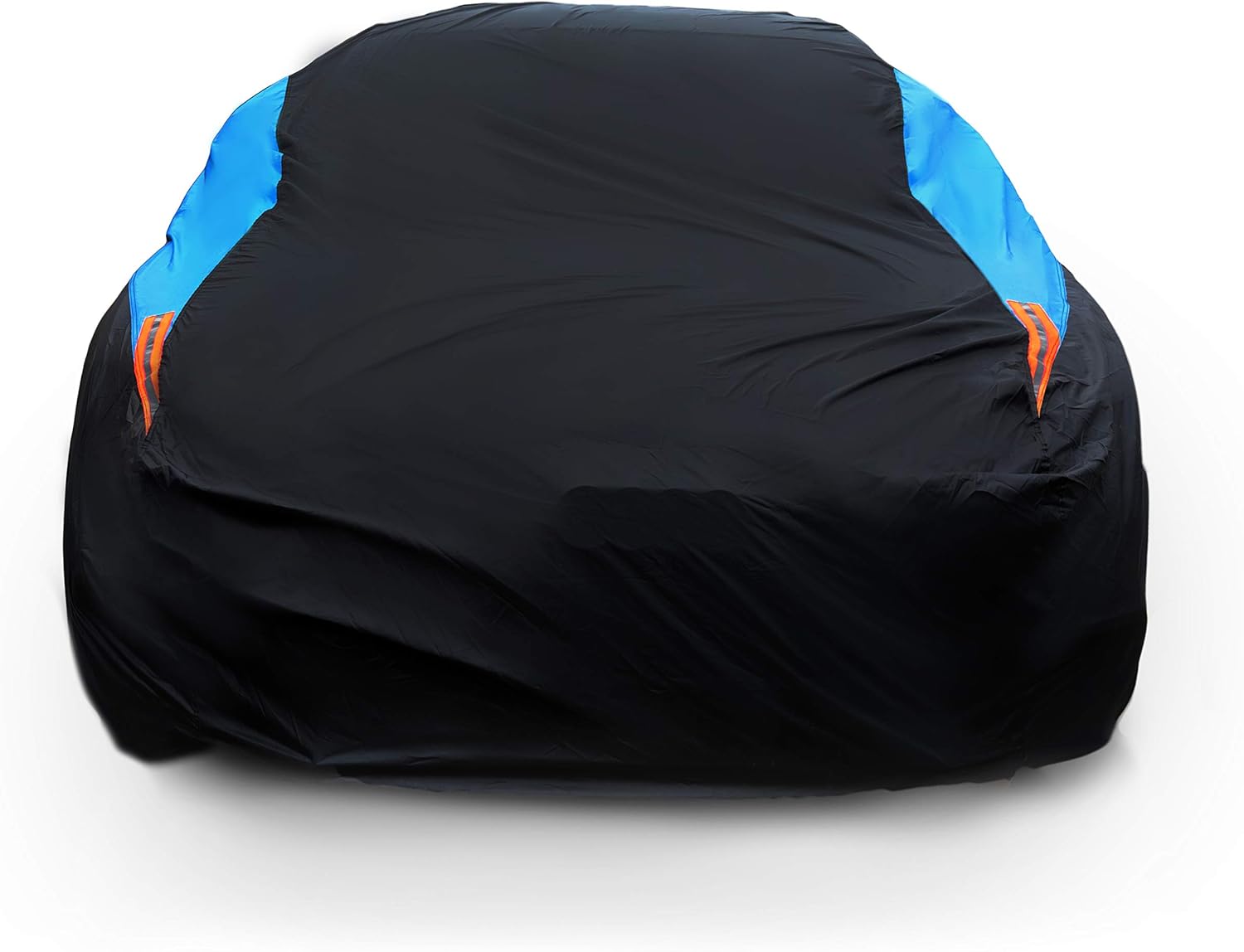
How to Remove a Frozen Car Cover Without Damaging Your Paint
⚡ Quick Answer
Never pull a frozen car cover off. Melt the ice bond first, then peel the fabric back slowly. Run the defroster, warm the ice with lukewarm water or a de-icer spray, and free one corner at a time. This takes 10 to 45 minutes depending on ice thickness.
Steps to Free a Frozen Car Cover
-
1
Start the engine and run the defroster on high -
2
Pour lukewarm water along one edge to break the ice bond -
3
Peel the cover back slowly, corner by corner
Mistakes That Cause Paint Damage
-
✓
Never yank a frozen cover free -
✓
Never pour boiling or hot water on ice -
✓
Never scrape ice off with a metal tool
Your breath fogs the cold air as you grab the corner of your car cover, and it doesn’t move. A sharp crack echoes when you tug harder. Overnight freezing rain has bonded the fabric to your paint like a shell, and you have somewhere to be.
This happens to thousands of drivers every winter, according to automotive writer Daniel Brooks, who covers cold-weather car care. The good news: a frozen car cover almost always comes off clean if you thaw it instead of fighting it.
Below is the exact safe process, why the freeze happens in the first place, and how to stop it from happening again.
📌 Key Takeaways
-
→
Thawing beats force every single time a cover is frozen to a car. -
→
Ice thickness of 1/8 inch can take 20 to 45 minutes to melt fully. -
→
Hot water on cold glass or metal can crack it from thermal shock. -
→
Non-breathable covers trap moisture and freeze more easily than breathable ones.
How Do You Safely Remove a Frozen Car Cover?
You free a frozen car cover by melting the ice bond first, then peeling the fabric back gently. Never rip it off. Doing so can tear the fabric or pull paint away with the ice, leaving permanent scratches.
So if you’re standing outside right now with a frozen cover, work through these steps in order. Each one softens the bond a little more before you touch the fabric.
🔢 Step-by-Step: Freeing a Frozen Cover
-
1
Start the defroster
If you can reach the door, start the car and run the heater on high for 5 to 10 minutes. Warmth from the cabin melts the ice layer against the shell.
-
2
Use lukewarm water on one section
Pour room-temperature or lukewarm water, never hot, along one edge of the cover. Work in small sections so you don’t refreeze what you just thawed.
-
3
Try a de-icer spray on stubborn spots
A car-safe de-icer spray works faster than water alone and won’t refreeze on contact the way water can in extreme cold.
-
4
Peel back slowly, corner first
Once one corner lifts freely, work your way around the car. Stop and add more water or spray anywhere it still resists.
-
✓
Dry and inspect the paint
Wipe the surface dry once the cover is off and check for any scuffs so you can address them before they worsen.
But here’s the thing: rushing this process is what causes damage, not the cold itself. So if you’re already 45 minutes into a frozen cover and it’s still not budging, that’s a sign the ice is thicker than it looks. Keep working sections gradually rather than forcing it.
Polar De-Icer Spray for Car Windshield – 2 x 17 Fl Oz
★★★★☆ Highly rated on Amazon
Fast-acting formula that melts ice on contact at temperatures down to -4°F, and it’s safer than hot water for loosening a stuck cover edge.
As an Amazon Associate, we earn from qualifying purchases.
Why Does a Car Cover Freeze to the Paint?
A car cover freezes to your paint when moisture between the fabric and the shell drops below 32°F and turns to ice. That ice acts like glue, bonding the two surfaces together.
You already know rain and snow are wet. What you might not know is that even a “dry” cold night can trap enough condensation under a cover to cause this. Warm air escaping the car body meets cold air outside, and water forms on the paint under the fabric.
The surprising part: cheap, non-breathable covers make this worse, not better. Freezing rain forms when raindrops fall through a thin layer of below-freezing air and freeze on contact with whatever they land on, whether that’s a road, a branch, or your car cover.
So if you use a cover made of PVC or another sealed material, moisture has nowhere to go. It sits against the paint all night, ready to freeze the second temperatures drop.
Here’s how common winter culprits compare for how likely they are to bond a cover to your paint.
Freezing rain is the fastest way to bond a cover to your car, so treat any freezing rain forecast as a signal to skip the cover that night.
What Should You Never Do to a Frozen Car Cover?
⚠️ Warning
Never pour boiling or very hot water on a frozen cover or windshield. The sudden temperature change can crack glass and stress the paint’s clear coat.
Pulling harder is the instinct, but it’s the wrong move. Ice chunks bonded to a cover can pull clear coat away when you yank the fabric, leaving permanent marks that no amount of polishing fixes.
You might be thinking a metal scraper would speed things up. Here’s why that backfires: metal edges dig into fabric and ice alike, tearing the cover and scratching anything metal underneath, like trim or mirrors.
How Do You Stop a Car Cover From Freezing Next Time?
You prevent a cover from freezing to your paint by keeping the surface dry before covering it and choosing a breathable fabric. A few small habits make the biggest difference.
📋 Prevention Habits That Actually Work
-
Dry the car first: Wipe away rain or melted snow before you cover it, since dirt and moisture anchor ice faster. -
Use a breathable, fleece-lined cover: Micro-fleece linings limit sudden heat transfer and reduce condensation buildup. -
Apply wax before winter: A hydrophobic wax layer makes it harder for water and ice to grip the paint underneath. -
Skip the cover on freezing rain nights: Check the forecast, since freezing rain bonds a cover to your car faster than any other condition. NOAA’s winter weather guidance is a reliable place to check advisories before you decide.
What Most People Get Wrong About Frozen Car Covers
Most people assume hot water is the fast fix. It isn’t. Hot water on cold glass or metal risks cracking from thermal shock, and it often refreezes into a worse mess within minutes in sub-freezing air.
Another common belief is that a thicker cover means better protection from freezing. In reality, a thick but non-breathable cover traps more moisture underneath, making it more likely to freeze solid than a thinner, breathable one.
Some drivers also think a few minutes of tugging won’t hurt anything. Even a small tear in the fabric weakens the whole cover, and any paint that lifts with the ice is permanent damage.
Final Thoughts
A frozen car cover feels like an emergency, but it’s a patience problem, not a strength problem. Melt the bond first, and the cover will come away clean every time.
The habits that prevent this, drying the car and checking the forecast, take less than five minutes and save you a cold, frustrating morning.
One thing to do right now: Check tonight’s forecast for freezing rain before you put the cover back on. If it’s in the forecast, skip the cover for one night.
Frequently Asked Questions
Can I remove my car cover if it has frozen?
Only after thawing it. Pulling a frozen cover free risks tearing the fabric or lifting paint. Melt the ice with lukewarm water, a de-icer spray, or the car’s defroster, then peel it back slowly.
How do I get a frozen tarp off my car?
Treat a frozen tarp the same as a frozen car cover. Run the defroster, apply lukewarm water or de-icer spray to the edges, and lift it gradually, corner by corner, instead of pulling it all at once.
Will hot water damage my car if it’s frozen?
Yes, it can. Hot water on cold glass or metal causes rapid expansion that can crack the surface. Stick to lukewarm water instead, and apply it gradually rather than all at once.
Why does a car cover freeze to the paint?
Moisture trapped between the cover and the paint freezes when temperatures drop below 32°F, acting like glue between the two surfaces. Non-breathable covers make this worse by trapping more moisture.
How long does it take a frozen car cover to thaw?
A light frost usually loosens in about 10 minutes with a defroster or de-icer spray. Thicker ice, around 1/8 inch, can take 20 to 45 minutes of gradual thawing before it releases cleanly.
Can pulling a frozen cover damage my paint?
Yes. Ice bonded to the cover can pull clear coat away when the fabric is yanked free, leaving scratches or bare patches. Always thaw the bond before removing the cover.
What if I’m in a hurry and the cover is frozen solid?
Run the defroster while you get ready, then use a de-icer spray on the worst spots. This cuts thawing time significantly compared to waiting on cabin heat alone.

Daniel Brooks is an automotive writer and product researcher focused on car accessories, car tech, maintenance, and practical driving guides. At Plug-in Car World, he helps drivers make smarter automotive decisions through honest reviews and research-driven content.