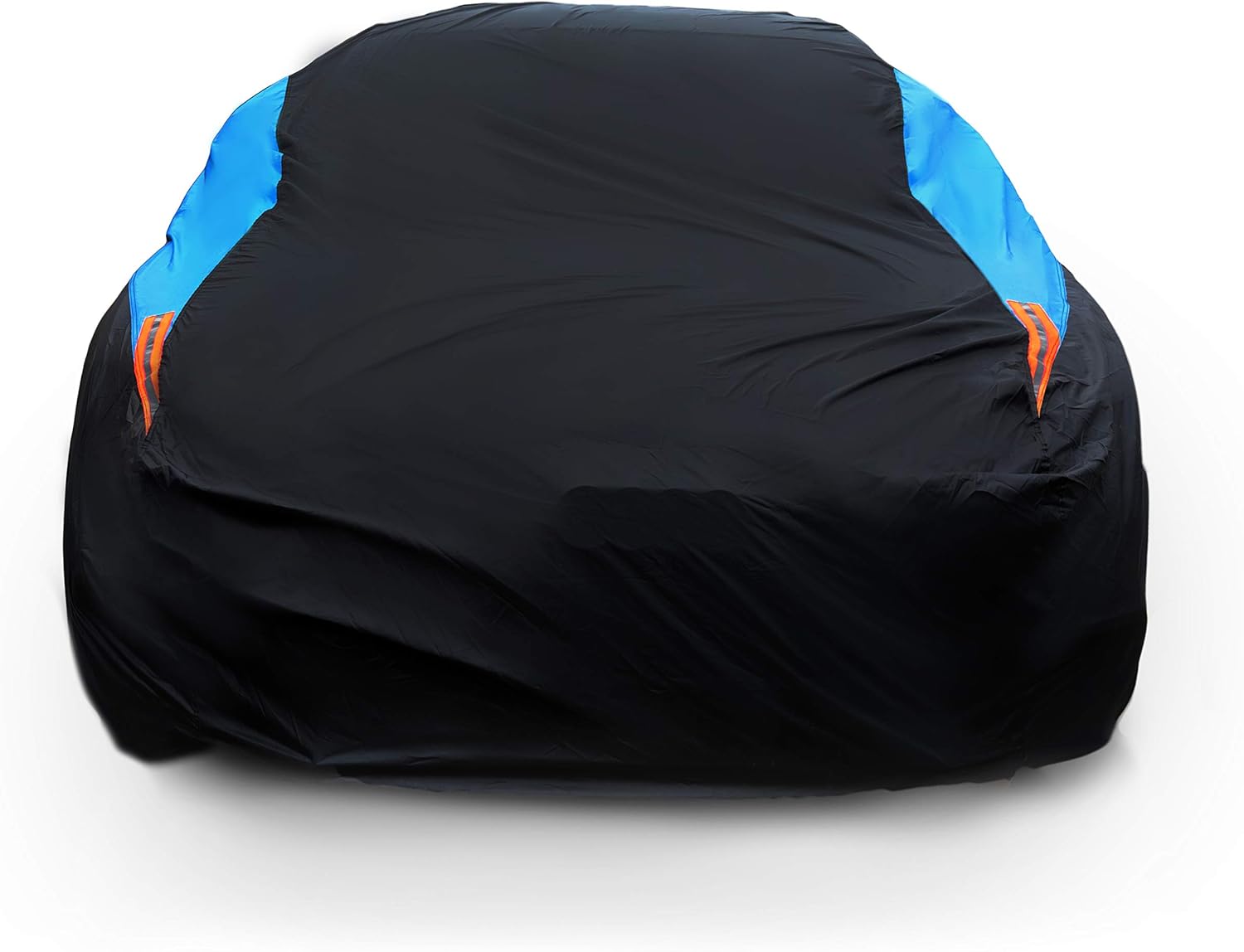
How to Clean Mold Off a Car Cover Safely (Step-by-Step)
⚡ Quick Answer
To clean mold off a car cover safely, remove it from the car, shake off loose debris, spray it with a 1:1 white vinegar and water solution, scrub with a soft brush, rinse thoroughly with clean water, and let it air dry completely in the sun. Never store a damp cover.
Steps to clean a moldy car cover:
-
1
Put on gloves, an N95 mask, and eye protection before touching. -
2
Remove the cover outdoors and shake off loose mold and debris. -
3
Spray a 1:1 vinegar-water solution and scrub gently with a soft brush. -
4
Rinse well with clean water from a hose; repeat if needed. -
5
Hang flat or over a clothesline and air dry fully in the sun.
Mistakes to avoid with a moldy car cover:
-
✓
Never put a wet car cover back on a car -
✓
Don’t use bleach — it can damage the cover’s fabric -
✓
Don’t skip safety gear — mold spores become airborne when disturbed
You pull off your car cover and find that musty, fuzzy green or black growth clinging to the fabric. It’s unsettling — and if you’re not careful, one wrong move sends mold spores straight into your lungs. I’m Daniel Brooks, and I’ve seen firsthand how a neglected car cover can go from protector to problem in a single damp season. This guide covers everything you need to know — what causes it, how to remove it safely, and how to stop it from coming back.
📌 Key Takeaways
-
→
White vinegar kills about 82% of mold species and is safe for most car cover fabrics. -
→
Always wear an N95 mask, gloves, and goggles before handling a moldy car cover outdoors. -
→
Complete drying is critical — a cover stored even slightly damp will grow mold within 24–48 hours. -
→
Some covers are machine-washable — check the label, use cold water, and skip the dryer entirely. -
→
Clean your car cover every 1–3 months to stop mold from getting a foothold.
What Causes Mold to Grow on a Car Cover?
Mold grows on a car cover when moisture gets trapped against the fabric for long enough to let spores take hold. This can happen after rain, morning dew, or even parking in a humid spot. The cover traps that dampness underneath, and within 24–48 hours mold can start to develop.
Car covers that don’t breathe properly are especially vulnerable. A non-breathable cover holds moisture against the fabric layer and the car’s surface at the same time. Dust, dirt, organic debris, and pollen that collect on the cover act as a food source for mold spores, making growth even faster.
Here’s why that matters for you: if you store your car under a cover in a humid climate, park under trees, or live somewhere with heavy rain, your cover needs cleaning more often than you think.
📋 Common causes of mold on car covers
-
Trapped moisture: Rain, dew, or condensation caught between the cover and the car’s surface. -
Poor breathability: Non-breathable covers trap humidity instead of letting it escape. -
Organic debris: Leaves, pollen, and dirt give mold spores a food source to grow from. -
Infrequent cleaning: A cover left dirty for months allows buildup that degrades breathability. -
Wet storage: Folding and storing a car cover while it’s even slightly damp creates ideal mold conditions.
Now that you know why it happens, you’ll understand why every step in the cleaning process matters — especially the drying phase.
Safety Gear You Need Before Touching a Moldy Car Cover
Don’t touch a moldy car cover with bare hands. When you disturb mold, spores become airborne instantly. Breathing them in can trigger coughing, sneezing, watery eyes, and worse reactions in people with asthma or respiratory conditions, according to the CDC’s mold health guidance.
The good news is that protecting yourself takes under 2 minutes. Put this gear on before you remove or handle the cover.
🔢 Step-by-Step: Safety Gear for Car Cover Mold Removal
-
1
Wear an N95 respirator mask
An N95 blocks mold spores at 0.3 microns. A standard cloth mask won’t protect you.
-
2
Put on nitrile or rubber gloves
Long gloves reaching mid-forearm prevent direct skin contact with mold and cleaning agents.
-
3
Wear non-vented safety goggles
Standard glasses don’t seal around the eyes. Non-vented goggles stop spores from reaching your eyes.
-
✓
Work outdoors in open air
Always clean a moldy car cover outside. Good airflow keeps spores from settling back on you.
⚠️ Warning
If you have asthma, allergies, or a compromised immune system, skip DIY cleaning. Have someone else handle the moldy cover, or call a professional detailing service instead.
You’re ready to clean. Let’s go through each step in order.
How to Clean Mold Off a Car Cover Safely: Step-by-Step
The safest way to clean mold off a car cover is to remove it from the car first, treat the mold outdoors, scrub with a soft brush and a mold-killing solution, then rinse and dry completely before storing or reusing. This process works for most fabric car covers — indoor, outdoor, or all-weather types.
Work on a sunny day with good airflow. The sun does double duty: it helps kill remaining spores and dries the cover faster.
🔢 Step-by-Step: Cleaning Mold Off Your Car Cover
-
1
Remove the cover outdoors
Peel the car cover off carefully and carry it outside. Avoid shaking it near the car or inside your garage, as that spreads spores.
-
2
Shake off loose debris and lay flat
Give the cover a firm shake away from people and pets. Lay it on a flat clean surface or drape over a clothesline.
-
3
Rinse with clean water first
Use a garden hose to pre-wet the entire cover. This loosens surface mold and helps your cleaning solution penetrate faster.
-
4
Apply your mold-killing solution
Spray a 1:1 mix of white vinegar and water onto all moldy areas. Let it soak for 10–15 minutes before touching it.
-
5
Scrub gently with a soft-bristle brush
Work in circular motions on stained areas. Don’t scrub hard enough to damage the fabric weave or water-repellent coating.
-
6
Wash with mild detergent and water
Use a soft sponge dipped in mild soapy water to clean the whole cover — not just moldy spots. This removes dirt and grime that feed future growth.
-
7
Flip and repeat on the other side
Mold can grow on the underside too. Clean the inside surface the same way before rinsing.
-
8
Rinse thoroughly with a hose
Rinse until all soap and vinegar residue is completely gone. Leftover detergent can degrade the cover’s breathability over time.
-
✓
Hang and air dry completely in sunlight
Drape over a clothesline or fence and let the sun do the work. The cover must be 100% dry before it goes back on the car or into storage.
That’s the whole process. It takes 30–60 minutes of active work, plus several hours of drying time. Never rush the drying step — that’s where most people fail.
What Kills Mold on a Car Cover? Best Cleaning Solutions
The best cleaning solution for a moldy car cover is a 1:1 mix of white distilled vinegar and water. Vinegar kills about 82% of mold species through its acidic properties and is safe on most outdoor fabrics, including polyester, polypropylene, and cotton blends. It won’t strip waterproof coatings the way bleach can.
You might be thinking: why not just use bleach? Bleach kills surface mold, but it can damage the fabric fibers, degrade the cover’s water-repellent coating, and leave behind discoloration. For car covers specifically, it’s the wrong tool.
Here’s a comparison of your best options:
Each cleaning method has different strengths depending on how severe the mold growth is.
Vinegar is the go-to for most people. Use a commercial cleaner like 303 for heavy infestations or if you want built-in mold prevention after cleaning.
Recommended Product
303 Products Mold and Mildew Cleaner – Quick Cleaning – Safe for All Water-Safe Surfaces – 32 fl oz
★★★★☆ Highly rated on Amazon
A bleach-free, biodegradable formula trusted by boaters and car enthusiasts alike — safe on fabric, vinyl, and plastic car cover materials without stripping waterproof coatings.
As an Amazon Associate, we earn from qualifying purchases.
Can You Machine Wash a Moldy Car Cover?
Some car covers can be machine washed, but you must check the care label first. Many covers — especially those with multi-layer designs or special coatings — are hand-wash only. Putting them in a standard home washer can tear seams, collapse internal layers, or destroy the waterproof treatment that makes the cover useful in the first place.
If the label says machine-washable, follow these rules exactly to avoid damaging it.
✓ Machine washing checklist for car covers
-
✓
Confirm the care label says machine-wash is safe before starting -
✓
Use cold or warm water only — never hot water, which shrinks and warps fabric -
✓
Use a gentle cycle with mild detergent — no fabric softener -
✓
Pre-treat moldy spots with vinegar solution before loading into the washer -
✓
Never put a car cover in the dryer — hang dry completely in sunlight
💡 Key Insight
Even if your cover is machine-washable, hand washing gives better results for mold. You can spend more time working the cleaning solution into problem spots. The washing machine treats the whole cover the same — it doesn’t know where the mold is worst.
Hand washing takes more effort but gives you real control. Use machine washing only for light maintenance cleaning between deeper hand treatments.
Will Mold on a Car Cover Damage Your Car’s Paint?
Yes — mold on a car cover can damage your car’s paint if left in contact long enough. Mold produces acidic compounds as it grows. Those acids can etch into a car’s clear coat over time, leaving dull spots, staining, or micro-scratches if the degraded cover fabric rubs against the surface.
A dirty, grime-covered car cover is essentially sandpaper touching your paint. The grime itself causes abrasion, and the mold adds chemical damage on top of that. This is a double threat most car owners don’t consider.
✅ Tip
Before putting a clean cover back on, wash and dry your car’s surface first. A clean cover on a clean car stays mold-free far longer than a cover on a dirty surface.
The good news: clean the cover promptly, and no permanent damage should result. So if you’ve just found mold today, act now — don’t leave the cover on for another week while you “figure out what to do.”
What Most People Get Wrong About Cleaning a Moldy Car Cover
Most people make at least one of these mistakes when dealing with a moldy car cover. Here’s what actually happens — and what to do instead.
📋 Common misconceptions about moldy car covers
-
“Just letting it dry in the sun kills the mold.” Sunlight slows mold growth but doesn’t eliminate it. You still need to clean and scrub the spores off — sun alone won’t save a moldy cover. -
“Bleach is the strongest option so it’s the best.” Bleach damages outdoor fabric and strips water-repellent coatings. A vinegar solution or fabric-safe commercial cleaner kills mold just as well without the damage. -
“Once it looks clean, it’s fine to put back on.” Visible mold gone doesn’t mean spores are gone. Always let the cover dry completely in the sun after cleaning — stored damp, mold returns within 24–48 hours.
The biggest mistake is rushing. Mold cleaning takes time — especially the drying step. Give your cover 4–6 hours of full sun drying after washing. It’s worth it.
How to Prevent Mold on a Car Cover From Coming Back
Preventing mold on a car cover comes down to 3 things: keeping it clean, keeping it dry, and storing it correctly. Most people only focus on removing mold after it appears. The real win is never letting it grow in the first place.
The EPA notes that controlling moisture is the most effective way to control mold growth — there’s no practical way to eliminate all spores, so removing their ability to take hold is the goal.
📋 How to keep your car cover mold-free
-
Clean every 1–3 months: Regular cleaning removes the organic debris that feeds mold before growth can start. -
Never store it wet: Fold and bag only when 100% dry. Even 5% moisture is enough to start mold growth in a sealed storage bag. -
Use a breathable cover: A breathable car cover lets moisture escape instead of trapping it under the fabric. -
Re-apply waterproofing spray: After cleaning, spray with a fabric waterproofer to restore the water-repellent coating that slows moisture penetration. -
Cover only a clean, dry car: Putting a cover on a wet car traps moisture underneath from day one.
These steps take almost no time. The one that saves people the most trouble is the storage rule. A dry cover stored properly can go 3 months between cleanings without mold issues.
Conclusion
Cleaning mold off a car cover is straightforward when you do it in the right order — gear up, remove it outdoors, treat with vinegar solution, scrub, rinse, and dry completely. The drying step matters more than any other part. A cover that goes back on damp is a cover that grows mold again within days.
Clean your car cover every 1–3 months, store it dry, and use a breathable design to cut your risk of mold down to almost zero. Your cover will last longer, and your car’s paint stays safer.
One thing to do right now: Pull your car cover off, take it outdoors, and check the underside for any musty smell or fuzzy spots. If it’s clean, give it a quick rinse and make sure it’s fully dry before it goes back on. Takes 10 minutes.
Frequently Asked Questions
How do you get mold off a car cover?
Remove the cover outdoors, shake off loose debris, and spray with a 1:1 mix of white vinegar and water. Let it soak for 10–15 minutes, then scrub gently with a soft-bristle brush. Wash with mild detergent, rinse fully with a hose, and hang in sunlight until completely dry before storing or reusing.
Can vinegar remove mold from a car cover?
Yes. A 1:1 solution of white distilled vinegar and water kills about 82% of mold species through its acidic properties. It’s safe on most car cover fabrics, won’t strip waterproof coatings, and is far better than bleach for this application. Apply, let it soak, scrub, then rinse well.
Can I machine wash a moldy car cover?
Only if the care label says it’s machine-washable. Use cold or warm water, a gentle cycle, and mild detergent. Never use hot water or a dryer — heat warps the fabric and destroys waterproof coatings. Hand washing gives better mold removal results because you can target specific spots more effectively.
Will mold on a car cover damage the paint?
Yes, it can. Mold produces acids that can etch a car’s clear coat over time. A dirty, grime-coated cover also acts like sandpaper against the paint surface. If you act quickly and clean the cover within a week of noticing mold, permanent paint damage is unlikely. Don’t delay if you spot it.
How often should I clean my car cover?
Clean your car cover every 1–3 months, depending on where you park and how much rain, pollen, or debris it collects. Covers in humid climates or under trees need cleaning closer to monthly. A visually clean cover still benefits from a rinse and re-application of waterproofing spray every few months.
Is it safe to clean a moldy car cover yourself?
Yes, for most people — as long as you wear an N95 mask, nitrile gloves, and non-vented goggles and work outdoors. If you have asthma, respiratory conditions, or a compromised immune system, let someone else handle it or contact a professional detailing service. Mold spores become airborne when disturbed.
Should I throw away a moldy car cover?
Not right away. Most moldy car covers can be fully restored with a thorough vinegar cleaning and sun drying. Replace the cover only if the mold has penetrated so deeply that scrubbing doesn’t remove it, the fabric is torn or degraded, or the musty smell stays even after multiple cleanings. A new cover costs far more than 30 minutes of cleaning.

Daniel Brooks is an automotive writer and product researcher focused on car accessories, car tech, maintenance, and practical driving guides. At Plug-in Car World, he helps drivers make smarter automotive decisions through honest reviews and research-driven content.