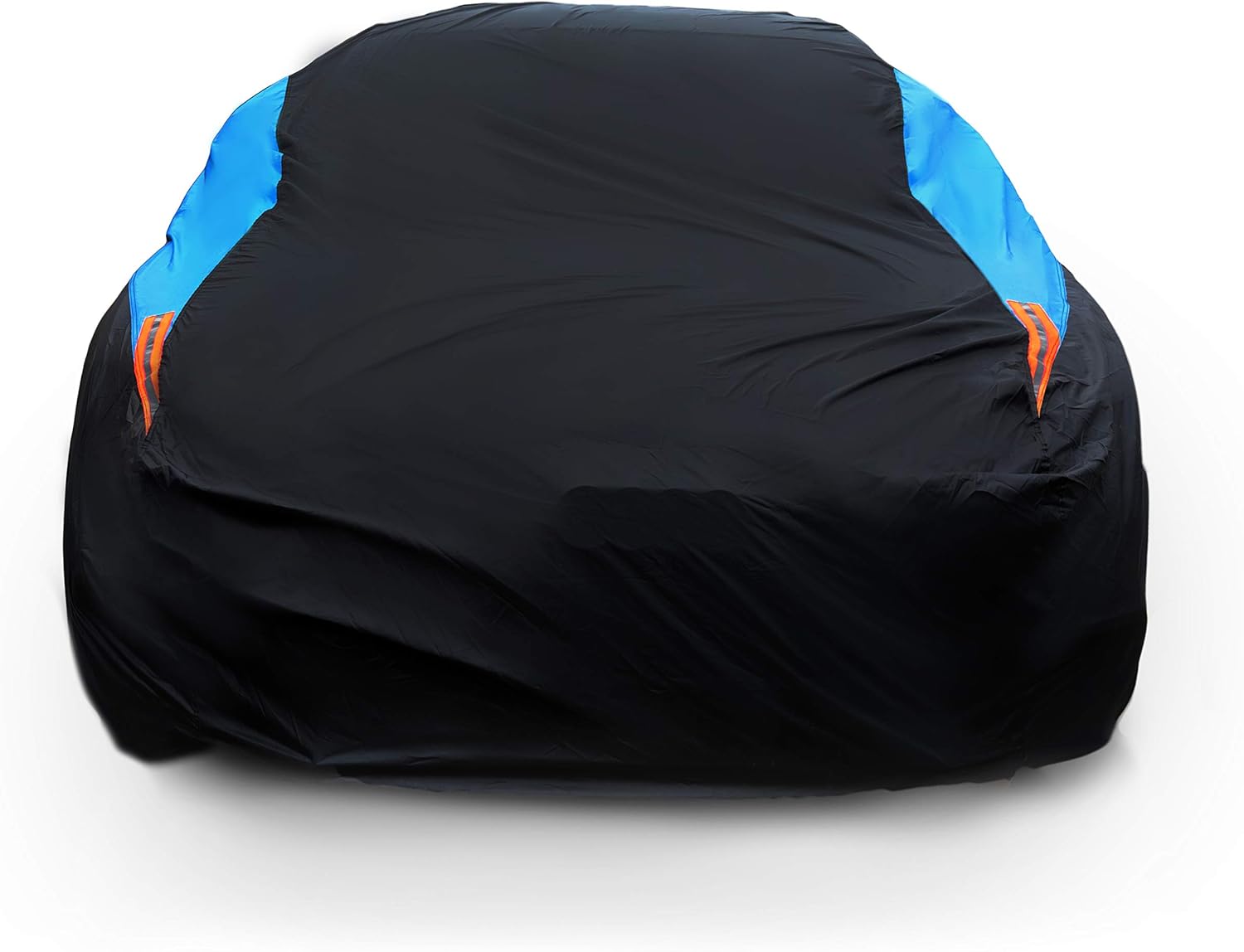
Hand Wash vs Machine Wash car cover : Which Is Better for Car Covers?
Hand washing is the safest method for most car covers. It protects delicate coatings and prevents tearing. Machine washing works only for covers with a machine-safe label and must use a front-loading washer on a gentle cycle. When in doubt, always hand wash.
Your car cover keeps your paint protected — but a dirty cover can actually scratch and damage the finish it’s meant to guard. Knowing how to wash it correctly matters just as much as choosing the right cover in the first place.
I’m Daniel Brooks, and I’ve tested and cared for car covers across multiple vehicle types. One of the most common mistakes I see is tossing a cover into a standard home washing machine without checking the label first. That single mistake can strip the waterproofing, tear the seams, or shrink the fabric in ways you can’t reverse.
Here’s the complete breakdown of hand wash vs machine wash — so you can clean your cover safely every time.
- Hand washing is safer for almost all car cover materials, especially those with waterproof or UV-resistant coatings.
- Machine washing is only safe when the manufacturer’s label explicitly allows it — and never in a top-loader with a center agitator.
- Fabric softener and bleach will destroy a cover’s protective coating, regardless of washing method.
- Air drying in a shaded area is the only safe drying method for most car covers.
- Washing frequency depends on your environment — outdoor covers may need cleaning every 4 to 6 weeks in heavy-exposure areas.
Why Washing Method Matters for Car Cover Fabrics
Car covers are not like ordinary laundry. Most covers are made from technical fabrics engineered with specific properties — waterproofing, UV resistance, breathability, or scratch protection. These properties live in the fabric’s coating or construction, and the wrong wash method strips them permanently.
Common car cover materials include polyester, polypropylene, non-woven composite fabrics, and multi-layer laminates. Each behaves differently under agitation, heat, and detergent. A polyester cover may handle a gentle machine cycle fine. A polypropylene or delicate indoor cover? It can shred under the same conditions.
A waterproof coating is a thin chemical layer bonded to the fabric surface. Harsh agitation or bleach physically breaks down this layer, making the cover leak water instead of repelling it.
The first rule before you wash anything: read the care label. If you no longer have the label, check the manufacturer’s website. Some brands publish care charts by fabric type. If you can’t confirm the fabric is machine-safe, hand washing is always the right call.
Hand Washing a Car Cover: The Safest Method

Hand washing is the universally safe option for every car cover type. It gives you full control over water temperature, agitation force, and rinse quality — which is exactly what you need for technical fabrics.
According to California Car Cover’s official care guide, hand washing is recommended for all specialty and non-woven cover materials. Many manufacturers only list hand washing as an approved method — machine washing isn’t even offered as an option on those labels.
- Place the cover on your car and stretch it tight to flatten wrinkles.
- Rinse the cover thoroughly with a garden hose to remove loose dirt and debris.
- Mix one ounce of mild dish soap or gentle detergent with one gallon of cool water in a bucket.
- Scrub the cover with a soft sponge, working in sections from top to bottom.
- Use a soft bristle brush for stubborn stains, bird droppings, or tree sap spots.
- Rinse fully with the hose two to three times to remove all soap residue.
- Turn the cover inside out, replace it on the car, and repeat the process on the inner surface.
- Remove the cover and hang it in a shaded area to air dry completely.
One tip most guides skip: always wash both sides. The inner surface of your cover collects fine dust, sweat from the car’s paint, and microscopic debris. Skipping the inside means you’re putting a contaminated surface directly onto your car’s finish every time you use it.
For a large cover, a clean driveway or patio area works as your wash surface. Lay the cover flat, scrub it, and use the hose to rinse. This beats trying to wrangle wet fabric into a container.
Hand washing takes more effort, but it keeps your cover intact for years longer than shortcuts. For advice on general car cover washing techniques, that guide goes deeper on method-by-material choices.
Machine Washing a Car Cover: When It’s Safe — and When It’s Not
Machine washing a car cover is safe in specific conditions only. The label must confirm machine washability, and you must use the right type of machine with the right settings. Get any one of those wrong, and you risk permanent damage.
What Kind of Machine Can You Use?
A front-loading commercial washing machine is the only safe option. Home top-loaders with a center agitator are off-limits. The agitator — that twisting post in the middle of the drum — violently wrings fabric around a hard axis. Car cover materials, especially multi-layer covers, can’t withstand that stress. Seams split, fabric tears, and coatings peel within a single cycle.
According to Coverstore’s official cover care instructions, a front-loading machine without an agitator should always be used, and the cover should be rinsed twice to ensure all detergent is fully removed from the fabric.
Never machine wash a car cover labeled “hand wash only” or made from polypropylene, vinyl, or specialty non-woven composite materials. These will be permanently damaged — not just wrinkled. There’s no fix after the fact.
Machine Wash Settings That Protect the Cover
Use a delicate or gentle cycle with cold water. Warm or hot water can cause shrinkage and break down the bonding agents in waterproof coatings. Use a mild detergent — roughly a quarter cup is enough for most standard-sized covers. Run an extra rinse cycle after the wash is done. Detergent residue trapped in the fabric attracts dirt faster and can reduce water repellency over time.
Always air dry after machine washing. Never put a car cover in a tumble dryer unless the label explicitly allows it, and even then, use a no-heat or very low-heat setting. High heat is one of the fastest ways to permanently shrink a cover or delaminate its protective layers.
Hand Wash vs Machine Wash: Side-by-Side Comparison
| Factor | Hand Wash | Machine Wash |
|---|---|---|
| Safety for coatings | Excellent — minimal risk | Moderate — depends on settings |
| Risk of tearing | Very low | Medium to high (wrong machine) |
| Time required | 30 to 45 minutes active effort | Low active effort, 45–60 min total |
| Works for all fabrics | Yes — universal method | No — label must confirm safe |
| Preserves waterproofing | High — with correct detergent | Medium — extra rinse critical |
| Stain removal | Better — direct scrubbing control | Good for general dirt |
| Best for | All cover types, especially delicate | Machine-safe polyester covers only |
What Detergent Should You Use on a Car Cover?
A mild, pH-neutral detergent is the right choice for both washing methods. Products like Woolite or gentle laundry detergents work well. Baby shampoo is another safe option for light cleaning.
Three things to absolutely avoid:
- Bleach — destroys fabric coatings and weakens synthetic fibers at a molecular level
- Fabric softener — leaves a chemical film that attracts dirt and permanently reduces water repellency
- Enzyme-based stain removers — can break down protective polymer coatings designed to resist UV and moisture
If you’re dealing with tough stains like bird droppings or tree sap, pre-treat those spots before your main wash. For bird droppings, a mix of warm water, mild detergent, and a small amount of white vinegar works well. For tree sap, rubbing alcohol applied with a soft cloth loosens the residue without damaging most fabrics.
Always test any stain solution on a small, hidden corner of the cover first. Wait 10 minutes and check for discoloration or fabric change before applying it to the whole cover.
To avoid common pitfalls that shorten a cover’s life, review this guide on mistakes to avoid when washing a car cover — particularly around detergent choices and rinsing.
How to Dry a Car Cover Without Damaging It
Drying is just as important as washing. The wrong drying method undoes a careful wash in minutes.
Air drying in a shaded area is the gold standard. Direct sunlight during drying can cause uneven shrinkage and UV degradation of the outer fabric layers. Hang the cover over a clothesline, railing, or lay it flat on a clean surface. Make sure both sides get airflow.
Never use a tumble dryer unless the manufacturer explicitly approves it. High heat melts or warps synthetic fiber coatings and can permanently reduce the cover’s fit. Even “low heat” tumble drying is risky for multi-layer covers.
The cover must be fully dry before you fold it or put it back on the car. Storing a damp cover is one of the leading causes of mildew, musty odor, and mold growth inside the fabric. For a complete breakdown of safe drying techniques, see this guide on how to dry a car cover properly.
A cover that feels dry on the outside can still hold moisture in its inner layers. Feel the thickest seams and folds — if they feel even slightly cool or damp, give the cover more drying time before storage.
How Often Should You Wash Your Car Cover?
Washing frequency depends on where you park and how exposed the cover gets. Here’s a practical guide based on environment:
- Outdoor use, heavy exposure (tree sap, bird traffic, rain): every 4 to 6 weeks
- Outdoor use, moderate exposure (open parking lot, light pollution): every 6 to 8 weeks
- Garage use or covered outdoor parking: every 3 to 4 months
- Indoor storage covers: 2 to 3 times per year is usually enough
Beyond scheduled cleaning, wash the cover any time you notice visible dirt, staining, or a musty smell. A dirty cover traps abrasive particles between itself and the car’s paint, turning every breeze into a micro-scratch event. Keeping it clean protects your finish as much as the cover itself does.
Understanding how to care for the cover properly also starts with knowing how to handle it safely. This guide on cleaning a car cover without damaging it covers material-specific approaches in more detail.
Hand wash = safe for every cover type, every time. Machine wash = safe only when the label says so, using a front-loading commercial washer on a gentle cycle with cold water and an extra rinse. Avoid bleach, fabric softener, tumble dryers, and top-loading machines. Always air dry completely before storage.
The Underrated Risk Nobody Talks About: Washing a Cover on a Dirty Car
Here’s something most car cover guides skip entirely. If you hand wash the cover while it’s draped over a dirty car, you’re embedding the car’s surface grime into the cover fabric during the scrubbing process.
Dust, industrial fallout, and fine road particles sitting on the paint get picked up by your sponge and worked into the inner layer of the cover. When you put the cover back on after drying, those particles are now inside the fabric — pressing directly against your paint every time the cover flexes in the wind.
The fix is simple: wash and dry your car before putting the clean cover back on. It adds 20 minutes to the process and saves your paint from hidden micro-scratches over the long term. This is an original observation from real-world use — it’s not a step most cover care guides include, but it’s one of the highest-impact things you can do for your finish.
Washing the cover on the car is convenient — but washing the car before the cover goes back on is the detail that separates proper cover care from a process that quietly damages your paint over months.
How to Store a Car Cover After Washing
Storage after washing is the final step that most owners rush — and it’s where mold and mildew problems start. A cover stored while even slightly damp will develop a musty odor within days and visible mold within weeks.
Once the cover is fully dry, fold it loosely rather than packing it tightly. Tight folding stresses seams and creates permanent crease lines that weaken the fabric over time. Most covers come with a storage bag — use it. The bag keeps dust off the clean fabric and protects it from pests and moisture in storage.
Store the cover in a cool, dry location away from direct sunlight and temperature extremes. A garage shelf, closet, or under-seat bag in a truck bed all work well. For a deeper look at why this matters, see why you should never store a wet car cover — the consequences go beyond just odor.
If your cover doesn’t have a storage bag, a clean pillowcase works as a short-term substitute. Just make sure it’s large enough that the cover isn’t compressed tightly inside.
When Should You Replace a Car Cover Instead of Washing It?
Washing only works when the cover still has structural and functional integrity. Some covers have passed the point of recovery.
Replace your car cover if you notice any of the following:
- Tears or holes in the fabric that can’t be patched cleanly
- Fabric that feels stiff, brittle, or crumbles at folds
- Permanent staining that persists after a proper wash
- Loss of water repellency — water soaks in instead of beading
- Seams that have separated and can’t be resealed
- Fabric that’s thinned out in high-contact areas (roof, hood, mirrors)
A cover with any of these issues will no longer protect your car properly. Washing it again only delays an inevitable replacement while the cover continues to do more harm than good.
If your current cover is worn out and it’s time to replace it, a good-quality outdoor car cover built for your vehicle’s size will protect your paint far better than patching an old one. Look for options with UV protection, breathable layers, and secure straps to keep it in place.
Your Next Step
The washing method you choose directly affects how long your car cover lasts and how well it protects your paint. Hand washing is almost always the safest option — and it’s the right choice when you’re unsure. If the label confirms machine washability, use a commercial front-loader on a gentle cycle, always with an extra rinse and no fabric softener.
The most important habit? Wash the cover regularly, dry it fully before storage, and always check what your specific cover’s care label says before doing anything else. For most car cover owners, hand washing twice a year — plus spot cleaning between washes — is more than enough to keep the cover performing well for years.
Stay consistent with your cover maintenance, and your paint will thank you for it. — Daniel Brooks
Frequently Asked Questions
Can I wash my car cover in a regular home washing machine?
You should not use a standard home top-loading washing machine with a center agitator for car covers. The agitator causes tearing and seam damage to most car cover fabrics. If machine washing is necessary, use a commercial front-loading washer found at a laundromat.
How do I know if my car cover is machine washable?
Check the care label sewn into the cover or review the manufacturer’s care guide. If neither confirms machine washing is safe, treat it as hand-wash only. Polyester covers are more commonly machine-safe than polypropylene, vinyl, or multi-layer specialty covers.
Does washing a car cover remove its waterproofing?
Washing with the correct mild detergent and proper technique should not remove waterproofing. However, using bleach, fabric softener, or hot water will degrade the waterproof coating over time. An extra rinse cycle after washing also helps preserve water repellency by removing detergent residue.
What happens if you store a car cover before it’s fully dry?
Storing a damp car cover causes mold and mildew growth inside the fabric within days. This leads to musty odors, visible staining, and fabric degradation that can’t be fully reversed. Always ensure the cover is bone dry — including at the seams — before folding and storing it.
How do I remove bird droppings from a car cover?
Mix warm water, a small amount of mild detergent, and white vinegar, then apply directly to the stain. Let it sit for 5 to 10 minutes to soften the dropping before scrubbing gently with a soft cloth. Rinse the area thoroughly, then wash the full cover as normal.

Daniel Brooks is an automotive writer and product researcher focused on car accessories, car tech, maintenance, and practical driving guides. At Plug-in Car World, he helps drivers make smarter automotive decisions through honest reviews and research-driven content.