
How Long Do Steering Wheel Covers Last?
Quick Answer
Most steering wheel covers last around 1–3 years with regular driving, although high-quality leather covers can last longer with proper care. Actual lifespan depends on the material, installation, sunlight, heat, hand oils, driving frequency, and cleaning habits. Replace a cover as soon as it becomes slippery, loose, cracked, or difficult to grip safely.
What affects steering wheel cover lifespan?
- Leather: Quality leather can provide several years of service when cared for correctly.
- Synthetic leather: Often offers a budget-friendly balance, but low-quality finishes may peel or crack sooner.
- Fabric and plush: May flatten, stain, or loosen with frequent handling.
- Daily driving: Frequent contact, perspiration, and friction accelerate wear.
- Heat and sunlight: Parked-car temperatures and UV exposure can age some materials faster.
- Fit and maintenance: Correct sizing, careful cleaning, and regular inspection help prevent premature deterioration.
When should you replace one?
- Remove a cover immediately if it rotates, slips, bunches up, or interferes with steering controls.
- Inspect the original steering wheel underneath periodically for trapped moisture, abrasion, discoloration, or damage.
A steering wheel cover can protect your factory wheel, improve grip, and refresh your car’s interior without replacing the entire steering assembly.
However, its useful life depends on much more than the price tag. Material quality, your driving routine, and the conditions inside your parked car all influence how long it stays comfortable and secure.
In this guide, I’ll explain realistic lifespan estimates, compare popular cover materials, identify early warning signs, and share practical maintenance advice to help you decide when replacement makes sense.
In This Guide
- How long does a steering wheel cover usually last?
- Which steering wheel cover materials last the longest?
- What makes a steering wheel cover wear out faster?
- How can you tell when a steering wheel cover needs replacing?
- How do you make a steering wheel cover last longer?
- Should you repair or replace a worn steering wheel cover?
- Frequently asked questions
How long does a steering wheel cover usually last?
A steering wheel cover typically lasts about 1–3 years under regular use, but this is a practical planning estimate rather than a guaranteed service interval. Some inexpensive covers deteriorate sooner, while well-made covers can remain usable for several years.
A steering wheel cover is a removable or fitted layer that surrounds the wheel’s outer gripping rim. Drivers use one to protect the original finish, change the grip texture, add cushioning, or improve the appearance of a worn interior.
Expected lifespan by general material type
The following estimates are broad guidelines for everyday driving in a typical passenger vehicle. They are not laboratory-tested averages, and the manufacturer’s quality, climate, and maintenance can change the outcome considerably.
- Budget fabric or plush covers: Several months to around 1–2 years, depending on how quickly the fibers flatten or become stained.
- Basic synthetic leather: Around 1–3 years when the surface finish and stitching hold up to regular use.
- Quality silicone or rubberized covers: Roughly 1–3 years, depending on elasticity, surface wear, and exposure to heat.
- Microfiber or suede-like covers: Around 1–3 years, with grip texture and cleanliness often determining when replacement becomes necessary.
- Good-quality genuine leather: Potentially 3–5 years or longer with suitable care, sound stitching, and favorable storage conditions.
These ranges are not promises. A premium cover exposed to intense sunlight and daily heavy use may wear faster than a less expensive cover kept clean in a vehicle parked under cover.
Why mileage alone doesn’t predict lifespan
Two drivers can own identical covers and see very different results. A commuter who grips the wheel for hours every day creates more friction than someone who drives occasionally.
Parking conditions also matter. Repeated heating and cooling can contribute to material aging, while sweat, skin oils, and cleaning chemicals may gradually change the surface texture.
As of 2026, there is no universal replacement interval that applies to every steering wheel cover. The safest approach is to assess its condition regularly instead of replacing it solely because it has reached a particular age.
Section Takeaway: Plan on roughly 1–3 years for many everyday covers, but judge the actual replacement date by fit, grip, and material condition.
Which steering wheel cover materials last the longest?
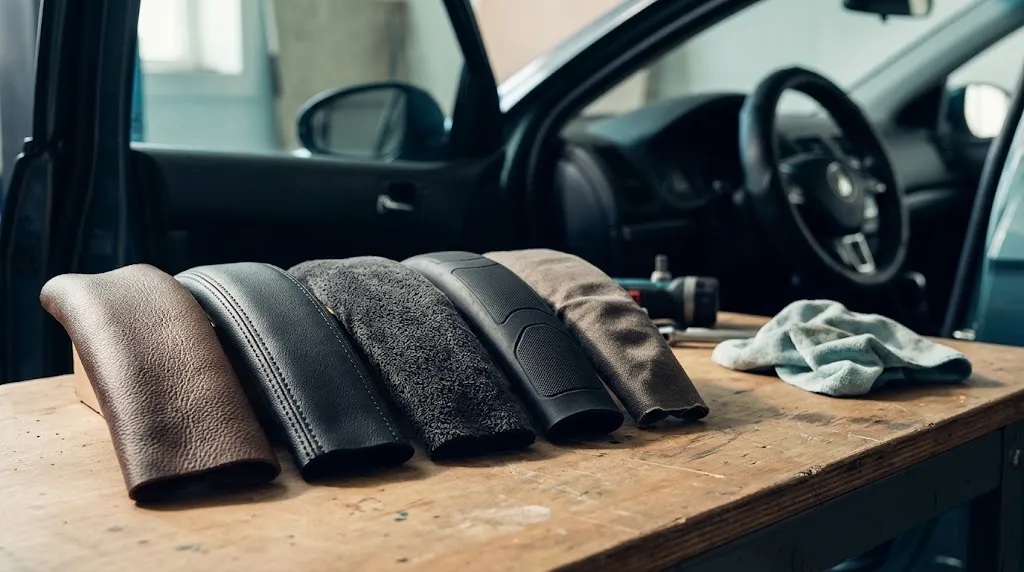
Genuine leather can offer a long service life when its construction and care are appropriate, but no material automatically lasts the longest in every vehicle. Fit, surface quality, stitching, and exposure to heat often matter as much as the material name.
When comparing options, look beyond appearance. A cover needs to retain its grip, remain securely attached, and withstand repeated contact without becoming sticky or shedding material.
| Material | Planning estimate | Main wear concern | Care priority |
|---|---|---|---|
| Genuine leather | 3–5+ years | Drying, surface wear, or finish deterioration | Use suitable leather-care products sparingly. |
| Synthetic leather or PU | 1–3 years | Peeling, cracking, or delamination | Avoid harsh cleaners and excessive heat. |
| Microfiber or suede-like material | 1–3 years | Flattened nap, grime, and shiny patches | Use gentle, material-compatible cleaning. |
| Silicone or rubberized material | 1–3 years | Stretching, surface changes, or loss of fit | Remove dirt and check the fit regularly. |
| Fabric or plush | Several months to 2 years | Flattening, staining, fraying, or looseness | Follow washing instructions and dry fully. |
Use these figures to compare broad material categories, not as guarantees for a particular product. If a manufacturer provides a durability warranty or specific care instructions, check those details before buying.
Genuine leather versus synthetic leather
Genuine leather may age gradually and develop a different feel over time. However, its surface finish can still wear, discolor, or peel, and leather is not immune to manufacturing defects.
Synthetic leather usually costs less and comes in many colors and textures. Its lifespan depends heavily on the quality of the surface coating, backing, and stitching.
For example, a synthetic cover with peeling at the common hand-contact points may need replacing even when its seams remain intact. A leather cover with light cosmetic aging may still be suitable if it stays clean, secure, and comfortable to grip.
Does a stitched leather wrap last longer than a slip-on cover?
A properly installed, well-made stitched wrap can offer a tailored fit and avoid some of the bulk associated with thick slip-on covers. Its longevity still depends on the material, seam quality, installation, and ongoing care.
Stitching also introduces another potential failure point. Loose thread, uneven tension, or an opening seam can make a wrap uncomfortable and may require repair or replacement.
Section Takeaway: Choose based on material quality, secure fit, and maintenance requirements rather than assuming a higher price or a leather label guarantees longer life.
What makes a steering wheel cover wear out faster?
Frequent handling, heat, sunlight, contamination, and poor fit are among the main reasons steering wheel covers deteriorate prematurely. Understanding these factors helps you prevent avoidable wear and spot problems before they affect your grip.
1. Frequent driving and hand friction
The most heavily used areas are usually the left and right gripping positions, where your hands repeatedly contact the cover. Over time, friction can polish the surface, flatten fabric, loosen stitching, or wear through a thin coating.
Drivers who commute daily or work on the road may notice these changes earlier than occasional drivers. Pay particular attention to smooth patches around the usual hand positions.
2. Sunlight and cabin heat
Strong sunlight and repeated temperature changes can accelerate aging in some leather finishes, synthetic coatings, adhesives, and rubber compounds. A parked vehicle can become extremely hot, especially in direct sunlight.
Whenever practical, park in a garage, shaded area, or covered space. A suitable windshield sunshade can also reduce direct sunlight entering the cabin, although it won’t eliminate heat exposure.
3. Sweat, oils, and cleaning products
Perspiration, sunscreen, hand lotion, and natural skin oils gradually accumulate on steering wheel covers. Depending on the material, this buildup can make the surface shiny, sticky, discolored, or less pleasant to grip.
Strong household cleaners, solvents, and unsuitable dressings can cause additional damage. Use a cleaning product approved for the cover’s material rather than assuming every interior cleaner is safe.
4. Incorrect sizing and poor installation
A loose cover may rotate around the steering wheel, creating friction and uneven wear. An excessively tight cover can strain seams or stretch the material beyond what the manufacturer intended.
Measure the wheel before purchasing and follow the product’s installation instructions. Check that the cover sits evenly around the rim without wrinkles, exposed hard edges, or movement.
5. Moisture trapped underneath
Water and cleaning residue trapped between a cover and the original wheel may contribute to unpleasant odors, discoloration, or surface deterioration. This risk is especially relevant when a cover fits tightly or the vehicle regularly experiences humid conditions.
If the cover is removable, take it off occasionally when the manufacturer’s instructions allow it. Clean and dry both surfaces completely before reinstalling it.
Section Takeaway: Reduce unnecessary friction, heat, chemical exposure, and moisture to help your steering wheel cover remain usable for longer.
How can you tell when a steering wheel cover needs replacing?
Replace a steering wheel cover when it loses its secure fit, develops a slippery surface, or shows damage that affects comfortable control. You don’t need to wait until the material tears completely.
A quick inspection every month is a useful habit. Check the cover while the vehicle is parked and the steering wheel is stationary.
Warning signs to look for
- Slipping or rotation: The cover moves independently of the steering wheel when you gently test it while parked.
- Cracking or peeling: Surface layers break apart, expose the backing, or leave flakes on your hands.
- Loose stitching: Thread separates, seams open, or material edges begin to pull apart.
- Permanent stretching: The cover no longer sits snugly against the rim or develops persistent folds.
- Loss of grip: The surface becomes unusually slick, sticky, hardened, or uneven.
- Persistent odor or mold-like staining: Cleaning doesn’t resolve the problem, or moisture damage remains visible.
- Damage underneath: The original steering wheel shows abrasion, discoloration, or deterioration after cover removal.
Which problems are cosmetic, and which are urgent?
| Condition | Recommended action |
|---|---|
| Minor discoloration without grip changes | Clean according to the material instructions and inspect again. |
| Light surface wear with a secure fit | Monitor the condition and consider replacement if wear progresses. |
| Loose stitching or torn edges | Repair appropriately or replace before the damage worsens. |
| Cover rotates, slips, or bunches up | Stop using it and remove it before driving again. |
| Damaged original wheel or compromised controls | Have the underlying problem inspected and repaired as needed. |
Remember that a damaged cover is different from a damaged steering assembly. If the wheel itself has unusual looseness, steering problems, or damaged airbag components, don’t assume replacing the cover will resolve the issue.
Section Takeaway: Grip and fit matter more than appearance. Replace a cover immediately if it can move independently or interfere with safe steering.
How do you make a steering wheel cover last longer?
Regular gentle cleaning, proper installation, and periodic inspections can extend a cover’s useful life. The goal is to remove damaging contamination without stripping the finish or changing the surface’s grip.
Follow a simple maintenance routine
- Weekly: Wipe away ordinary dirt and fingerprints with a clean, soft microfiber cloth when needed.
- Monthly: Inspect the seams, surface texture, fit, and usual hand-contact areas for wear.
- After spills: Clean the affected area promptly using the manufacturer’s recommended method.
- Periodically: Remove a detachable cover when permitted, then inspect and dry the original wheel underneath.
- During hot weather: Limit direct sunlight and avoid leaving cleaning chemicals or other residues on the material.
Use the right cleaning method
Different materials need different care. Start with the product instructions and test any approved cleaner on a small, inconspicuous area when appropriate.
- Leather: Use a suitable leather cleaner and a soft cloth. Avoid excessive moisture and heavy conditioners that may leave the grip slippery.
- Synthetic leather: A lightly damp cloth and compatible mild cleaner may be sufficient. Avoid abrasive scrubbing that damages the surface coating.
- Microfiber or suede-like covers: Follow the specific care guidance because some finishes can become matted or discolored when treated incorrectly.
- Silicone or rubber: Use the recommended cleaning method and rinse or wipe away residue thoroughly if the instructions call for it.
- Fabric or plush: Check whether the cover is washable and allow it to dry completely before reinstalling.
Never soak a fitted cover or spray cleaning liquid directly into steering wheel switches, the steering column, or electrical controls. Avoid bleach, aggressive solvents, and unapproved oils or dressings.
Protect the original steering wheel too
A cover should not become a reason to ignore the surface beneath it. Dirt trapped between the two layers can rub against the factory finish, while moisture can encourage deterioration.
When you inspect the underlying wheel, look for unusual peeling, cracks, sticky residue, dye transfer, or damaged stitching. Clean and dry it before reinstalling a compatible cover.
Also check your vehicle owner’s manual before using a cover on a heated steering wheel or a wheel with capacitive hand-detection technology. Some manufacturers prohibit covers or warn that they may affect system operation.
Pro tip: Follow your vehicle manufacturer’s instructions for heated wheels and driver-assistance systems, and consult a qualified technician if you are unsure about compatibility.
Section Takeaway: A few minutes of gentle cleaning and inspection each month can help you catch deterioration early without damaging the cover.
Should you repair or replace a worn steering wheel cover?
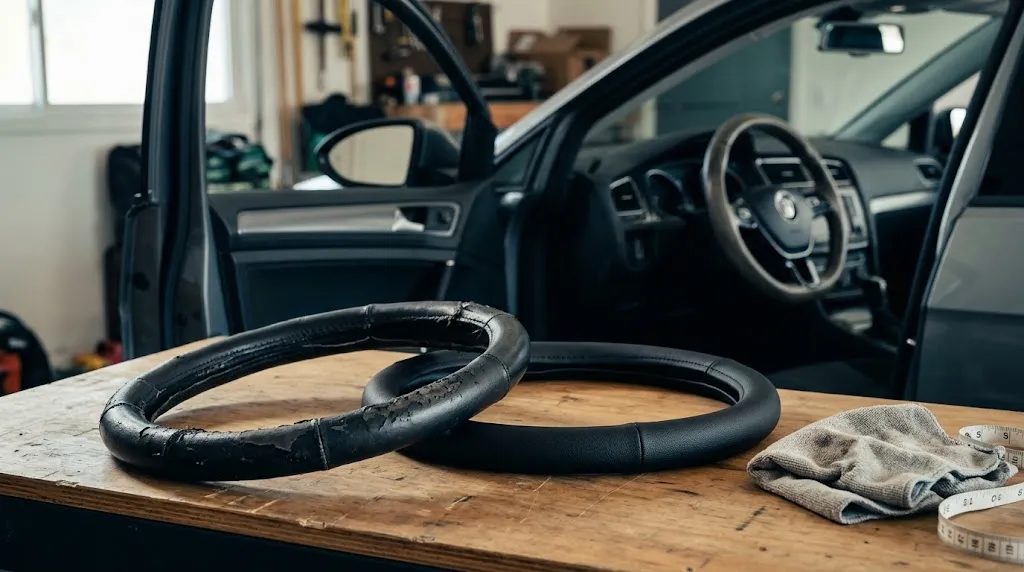
Replacement is usually the better choice when a cover has lost its grip, no longer fits securely, or has widespread surface damage. Repair may be reasonable for a small cosmetic issue when the material remains sound and the repair won’t compromise steering control.
When repair may be worthwhile
A small area of superficial staining or a minor cosmetic flaw may respond to appropriate cleaning or manufacturer-approved repair. A professionally fitted, stitched leather wrap may also be repairable if the problem is limited to a seam and the surrounding material remains strong.
Don’t glue a loose slip-on cover to the steering wheel or use improvised fasteners to stop it rotating. These approaches can create new problems and may interfere with reliable grip.
When replacement makes more sense
- The cover slips even after you confirm it is correctly sized and installed.
- The surface is permanently slick, sticky, brittle, or badly cracked.
- Large sections of synthetic coating peel away or expose the backing.
- Multiple seams have separated or the cover has stretched unevenly.
- Persistent contamination, moisture damage, or odor cannot be resolved safely.
Check the steering wheel before installing another cover
Remove the old cover carefully according to its design, without cutting into the factory rim or disturbing controls and wiring. Inspect the original surface before choosing a replacement.
Measure the steering wheel’s outside diameter and confirm the rim circumference or thickness if the new product specifies it. A snug, compatible fit is more important than buying the same style as your previous cover.
If the wheel has a heated function, capacitive sensors, or unusual factory trim, check the owner’s manual and product compatibility information first. Never cover the center airbag module, attach decorations to it, or dismantle the steering wheel merely to fit a conventional rim cover.
Section Takeaway: Repair minor cosmetic problems only when the cover remains secure. Replace damaged or loose covers, and address any deterioration of the original steering wheel separately.
Frequently asked questions
How often should I replace my steering wheel cover?
Many everyday steering wheel covers last around 1–3 years, although some premium leather options last longer. Inspect yours monthly and replace it when the fit loosens, the grip deteriorates, or the material cracks or peels. There is no universal replacement interval for every material or driving routine.
Can a steering wheel cover last five years?
Yes, some well-made covers can remain usable for five years or longer, particularly when the material is durable, the fit remains secure, and maintenance is appropriate. However, five years should not be treated as a standard lifespan. Heat, frequent driving, and surface deterioration can shorten service life substantially.
Do cheap steering wheel covers wear out faster?
Inexpensive covers may use thinner surface coatings, weaker stitching, or less durable backing materials, but price alone does not determine lifespan. Check material specifications, fit, construction, care instructions, and warranty terms. A well-fitting budget cover may outlast a poorly made premium option.
Does sunlight damage steering wheel covers?
Sunlight and heat can accelerate fading, drying, cracking, or coating deterioration in some materials. The effect varies with material quality and exposure. Parking in shade, using a suitable windshield sunshade, and following the manufacturer’s care instructions can help reduce unnecessary wear.
Can a steering wheel cover damage the original wheel?
Yes, damage is possible if the cover traps moisture, transfers dye, rubs against the finish, or fits poorly. Clean and dry the original wheel before installation, and inspect it periodically. Remove the cover if you notice abrasion, discoloration, or other deterioration underneath.
Should I replace a cover if it only looks worn?
Not necessarily. Minor cosmetic wear may be acceptable if the cover remains clean, secure, and comfortable to grip. However, replace it if wear creates slippery areas, exposed edges, loose seams, or material that flakes onto your hands. Safe, reliable grip should take priority over appearance.
Are steering wheel covers safe on heated steering wheels?
Compatibility depends on the vehicle manufacturer’s instructions and the cover design. Some manufacturers prohibit covers on heated steering wheels because the added material can interfere with heating. Check the owner’s manual before installation and avoid using a cover if the manufacturer does not permit it.
Final Takeaway: Replace Based on Condition, Not Just Age
Most steering wheel covers provide around 1–3 years of practical service, while durable leather options may last considerably longer. The best way to extend their life is to choose the correct size, clean them gently, protect them from unnecessary exposure, and inspect them regularly.
For everyday driving, I would prioritize secure fit, dependable grip, and material quality over decorative features. A cover that slips or deteriorates is no longer worth keeping, regardless of how recently you bought it.
Before installing a replacement, check your vehicle’s compatibility requirements and inspect the original wheel underneath. A well-chosen cover should protect comfort and usability without interfering with the controls or safety systems you depend on.

Daniel Brooks is an automotive writer and product researcher focused on car accessories, car tech, maintenance, and practical driving guides. At Plug-in Car World, he helps drivers make smarter automotive decisions through honest reviews and research-driven content.
