
Are Coverland Car Seat Covers Legit? Brand Review
Quick Answer
Yes, Coverland is a real brand, not a disappearing storefront. It sells custom-fit and universal seat covers through its own site and large retailers, and it backs many sets with a 10-year warranty. The catch is fit and material: the look is premium, the feel is faux leather over foam, and the result depends on your exact year, model, and trim. Compare it with other best car seat cover brands before you pay a premium price.
The verdict in short
- Real company: Coverland operates coverland.com, lists warranty terms, and has a public Trustpilot profile.
- Not real leather: Its best-known covers use PU faux leather over memory foam, not genuine leather.
- Fit is the risk: Coverland claims 3D laser-mapped custom fit, yet reviewers report loose spots and blocked controls on some vehicles.
- Comfort is the win: The foam padding adds lumbar support and a softer sit than thin universal covers.
- Check airbags first: Only buy a set that states side-airbag compatibility for your exact seat.
- Price varies widely: Universal front pairs cost far less than vehicle-specific custom sets, so compare like for like.
Buy it if
- You want a smarter-looking interior, spill protection, and extra cushion for long drives.
- Skip it if you need hard-wearing work-truck protection or a guaranteed snug fit on a sport or unusual seat.
Are Coverland car seat covers legit? That is the exact question I asked before I spent my own time fitting a set.
I have fitted covers on a 2019 Honda CR-V, a family SUV, and a work truck in my garage. Some looked great on day one and sagged by month three.
This review goes deeper than the ads. I checked what Coverland sells, what the covers are made of, how the fit holds up, what buyers praise and complain about, and when a cheaper cover makes more sense.
In This Guide
Is Coverland Legit?
Yes, Coverland is a legitimate brand. It has an operating website, published warranty terms, and a public review profile.
That does not mean every listing is right for your car. Legitimacy and good fit are two different tests.
What does “legit” mean for a seat cover brand?
A Coverland car seat cover is an aftermarket cover sold under the Coverland name for adult vehicle seats. It is not a factory part, and it is not a child car seat cover.
For a brand like this, I check four things. Can I find the company, read its terms, contact support, and see real buyer feedback?
Coverland passes the first three. Its site describes itself as designed in California, offers 24/7 customer service, and publishes warranty terms.
The fourth test is mixed. Its Trustpilot profile showed a 4.1 rating when I checked in November 2026, with praise for looks and comfort and complaints about fit and shipping.
What do buyers praise most?
Many reviewers say the covers look stylish and feel comfortable. They also say the interior looks cleaner and more finished after fitting.
Easy installation comes up often too. Several buyers mention clear guides and a tool-free fit.
That matches my own experience with well-cut covers. A good set should take 20 to 40 minutes for two front seats, not a full afternoon.
What do buyers complain about most?
Fit leads the complaints. Some buyers report loose areas, covers that shift, or a set that covers a control it should leave clear.
One Trustpilot reviewer said a set for a 2017 Buick Cascada arrived without a cutout for tilting the seats forward. Coverland sent a no-charge return label in that case.
Another reviewer reported paying $683 for a Hyundai Santa Fe order in October, then waiting weeks with no shipment before cancelling. That is a service failure, not proof the brand is fake.
Pro tip: Check your vehicle owner’s manual and the NHTSA recall lookup before you fit any cover over a seat with side airbags.
Takeaway: Coverland is a real company with real products, a public review record, and a mixed service record. Treat it as a real brand to judge on fit, not as a scam to avoid outright.
What Is Coverland, and What Does It Actually Sell?
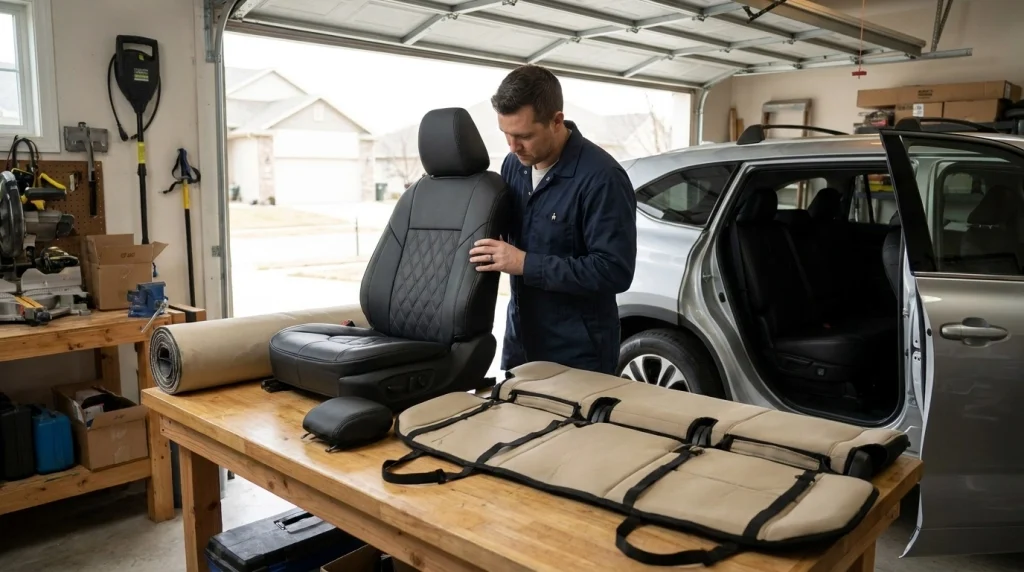
Coverland sells custom-fit car seat covers, car floor mats, and all-weather car covers. Seat covers are its best-known product in this cluster.
You will find Coverland on its own site, on Amazon, and through other online retailers. The same name can cover different product lines, so read the listing, not just the brand.
Are Coverland covers custom-fit or universal?
Both types exist, and the difference matters. Coverland describes its custom sets as patterned from 3D laser-mapped measurements for a specific vehicle and seat setup.
Universal listings use a looser claim. Some Amazon-style listings say the cover fits 95% of car seats, which is a sales claim, not a measurement.
I always start with year, make, model, and trim. A 2023 Defender 110 seat is not the same shape as a 2019 CR-V seat, even if both are SUVs.
What models should you look for?
Look for a listing that names your exact vehicle. Check headrest shape, seat controls, armrests, and whether the rear seat splits or folds.
Also check the set size. A front pair, a full front-and-rear set, and a single-seat cover are three different buys.
If the listing only says “fits most cars,” treat it as universal. That can work for a simple flat seat, but it rarely looks tailored on a bolstered seat.
For a closer look at how custom sizing works, see these best custom car seat covers and how they differ from universal sets.
How much do Coverland covers cost?
Prices vary widely by vehicle, set size, and seller. General ranges in buyer guides run from about $40 to $120 for many universal or front-seat sets, and from about $45 to $180 for broader full sets.
Vehicle-specific custom sets can cost far more. A competing brand’s June 2026 comparison listed the Coverland set it tested at $560, against its own $317 set.
Do not compare a $560 custom truck set with a $45 universal pair. Compare the same seat count, the same vehicle, and the same material.
Takeaway: Coverland sells both custom-fit and universal covers, and the price gap reflects that split. Match the listing to your exact vehicle before you judge the price.
What Are Coverland Seat Covers Made Of?
Coverland markets its best-known seat covers as “premium comfort leather.” That phrase needs a plain translation.
There is no genuine leather in the set a competing brand bought and tested. The material is polyurethane-coated memory foam, often called PU faux leather.
The coating gives a leather-like look. The foam adds cushion and lumbar support.
Is faux leather a problem?
No, if you buy it knowing what it is. Faux leather can look smart, wipe clean, and resist spills better than cloth.
It also has limits. PU is less breathable than cloth, and foam can trap heat on a hot day.
Coverland perforates some covers to help airflow. That helps, but it does not turn PU into a cool mesh fabric.
How does the material feel on a long drive?
The foam is the comfort story here. It softens a firm seat and adds support under your lower back.
That is why many buyers praise comfort even when they question durability. A long drive feels better with padding than with a thin, flat cover.
For comfort-first buyers, compare the padding and shape with these best car seat covers for comfort before you choose a material.
Will it last, and is it waterproof?
Coverland lists many sets as waterproof and scratch-resistant. That claim fits light spills, pet claws, and daily wear better than it fits heavy work use.
A competing test described the covers as not built for daily abuse. That is a rival’s view, so treat it as a warning, not a lab result.
My rule is simple. If you carry tools, dogs, kids, and gear every day, choose a tough woven fabric like 1000-denier Cordura nylon over soft foam-backed faux leather.
Coverland also points to SGS testing for material performance. That tests the material, not how well the cover fits your seat.
- PU faux leather: Smart look, easy wipe-down, less airflow than cloth.
- Memory foam backing: Softer sit and lumbar support, but it can hold heat.
- Perforated panels: Help breathability, but do not fix PU heat buildup on their own.
- Water resistance: Good for spills, not a guarantee against soaking through seams.
Takeaway: Coverland’s headline material is PU faux leather over memory foam. Buy it for looks and comfort, not for genuine leather or heavy-duty work use.
How Does the Fit Hold Up in Real Cars?
Fit is where Coverland wins or loses the sale. A cover that looks custom in photos can still bunch, slip, or block a lever in your car.
Coverland says its custom covers use 3D laser-mapped patterns. That should mean a closer shape than a one-size stretch cover.
Buyer feedback says the result is close, not exact, on some vehicles. That gap is the main thing to check before you order.
What does a good fit look like?
A good fit hugs the bolsters, leaves the headrest free, and keeps seat controls clear. It should not slide when you brake or climb in.
Straps, anchors, and elastic hems help. A cover with no anchor points will move, even if it starts snug.
I test fit by sitting, adjusting the seat, and reaching every control. Then I drive for 20 minutes and check again.
What goes wrong most often?
Loose areas are the top complaint. Misaligned seams and covers that shift after a few drives also appear in reviews.
Sport seats, deep bolsters, and unusual headrests cause more trouble. A flat commuter seat is far easier to cover well.
Installation detail matters too. Some buyers find one step fiddly, such as tucking the rear panel or lining up a split bench.
Follow the maker’s steps in order, and do not force a strap. If you need to stretch a seam to reach a buckle, the size is wrong.
For a step-by-step check, use this guide to install a car seat cover correctly and test the fit before you drive.
Are Coverland covers safe with side airbags?
This is the safety question that matters most. Many Coverland listings say the covers are airbag and seat-belt compatible.
Do not trust a short listing line on its own. A seat cover over a side airbag needs a weak seam or a labelled deployment zone that lets the bag open.
Check three things before you buy. Does the listing name your exact seat, does it state side-airbag compatibility, and does your owner’s manual allow a cover on that seat?
If any answer is unclear, stop and ask the seller. A cover that blocks an airbag is not worth a smarter interior.
For the wider safety rules, read car seat safety standards and check how aftermarket covers are judged.
Pro tip: If your seat has a side airbag, only use a cover that is explicitly tested and labelled as compatible for that seat. Check the owner’s manual and NHTSA guidance first.
Takeaway: Coverland aims for a close, custom-like fit, but real-world reports show loose spots on some vehicles. Verify your exact seat, test every control, and confirm airbag compatibility before you keep the set.
Coverland vs. Other Seat Cover Brands: Which Is Better?
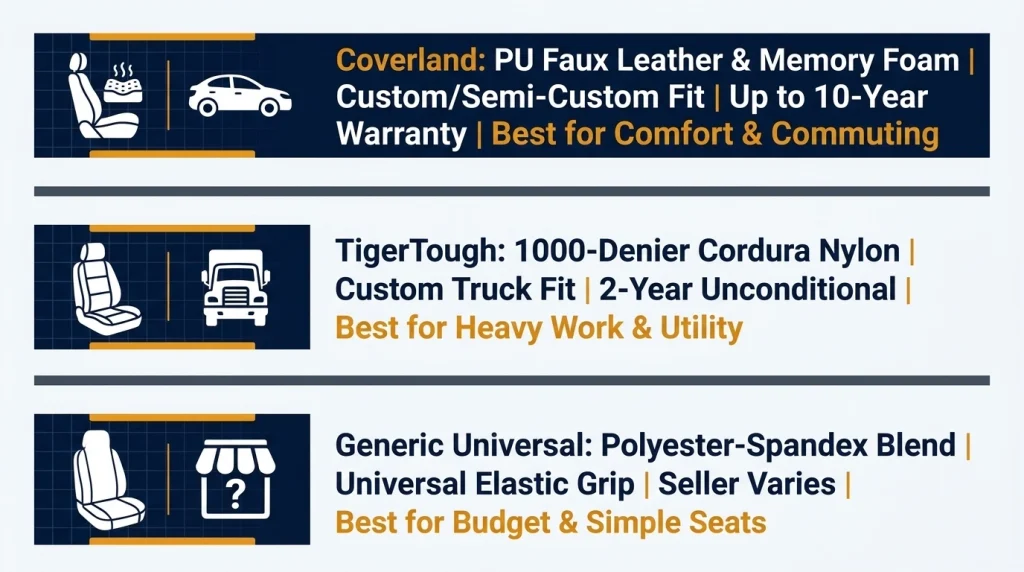
Coverland is not the only choice, and it is not the best choice for every driver. The right pick depends on your use, not the brand name.
Use this table to compare the main trade-offs. Prices and ratings vary by vehicle and seller, so use it as a guide, not a quote.
| Brand / Type | Material | Fit | Warranty | Best For |
|---|---|---|---|---|
| Coverland | PU faux leather with memory foam | Custom or semi-custom, close fit | Up to 10 years, terms apply | Looks, comfort, long drives |
| TigerTough | 1000-denier Cordura nylon | Custom fit for trucks | 2-year unconditional | Work trucks, heavy daily use |
| Generic universal | Polyester-spandex blend | Universal, elastic grip | Varies by seller | Low cost, simple seats |
Coverland vs. TigerTough: comfort or toughness?
TigerTough is the work-truck pick in this comparison. Its Cordura fabric is built for abuse, and its warranty is short but simple.
Coverland is the comfort pick. Its foam padding feels better on a long drive, but its PU surface is not made for the same punishment.
In the June 2026 comparison, TigerTough listed its set at $317 and the Coverland set it tested at $560. That price gap makes the choice sharper.
If you pay more for Coverland, you should get a better look and softer sit. If you need toughness, the cheaper tough cover is the better buy.
Coverland vs. a cheap universal cover: is it worth the jump?
A cheap universal set can cost $45 to $65 for a basic stretch cover. It will protect a seat, but it will rarely look tailored.
Coverland should look more fitted and feel more padded. That is the upgrade you pay for.
Check independent buying advice before you pay a premium. Consumer Reports and Edmunds are useful starting points for how to judge interior accessories and vehicle fit.
Takeaway: Choose Coverland for comfort and looks, TigerTough-style Cordura for hard work, and a cheap universal cover only if a simple fit and low price matter most.
Should You Buy Coverland? Who It Suits and Who Should Skip It
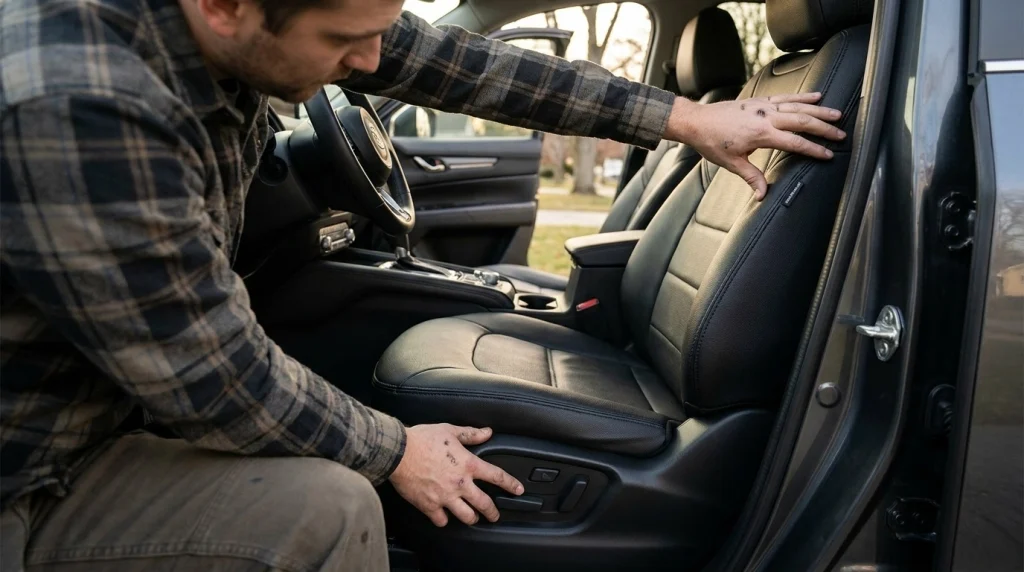
Buy Coverland if you want a cleaner cabin, spill protection, and a softer seat. Skip it if you need a guaranteed exact fit or a cover that can take daily worksite abuse.
That split is the honest verdict. The brand is real, the comfort is real, and the fit risk is real too.
Who should buy Coverland?
Daily drivers with standard seats are the best match. A commuter, a family SUV, or a long-distance car will show off the look and padding.
Pet owners and parents can benefit too, if the cover is waterproof and easy to wipe. Check the cleaning care before you buy, not after a spill.
Buyers who value a long warranty will like the 10-year headline. Read the terms first, because the cover has exclusions.
Who should skip Coverland?
Skip it if your seat is heavily bolstered, has an unusual shape, or has side airbags with no clear compatibility statement. A loose cover is worse than no cover.
Skip it if you work in a truck all day with tools, mud, and sharp gear. A tough woven cover will last longer and clean up better.
Skip it if the price for your exact vehicle feels high for PU and foam. A lower-cost set with the same fit may serve you just as well.
For a price-first shortlist, compare these best budget car seat covers before you commit to a premium custom set.
How to buy safely in 5 steps
- Confirm your vehicle: Enter year, make, model, trim, and seat type, then save the listing.
- Check airbag wording: Look for side-airbag compatibility for your exact seat, not a generic claim.
- Read the warranty: Note what “up to 10 years” covers and what it excludes, such as misuse, stains, pet damage, burns, or cuts.
- Check returns: Confirm the return window, restocking terms, and who pays return shipping.
- Test the fit at home: Fit it, adjust the seat, test every control, then drive for 20 minutes and recheck.
Keep the box and receipt until the test drive is done. A cover that looks right in the driveway can still shift on the road.
For repair and ownership costs around your car, RepairPal can help you sanity-check what a dealer or shop would charge for related interior work.
Takeaway: Buy Coverland for comfort and a smarter look on a standard seat, with a clear return plan. Skip it for hard work use, unusual seats, or any set that cannot confirm airbag compatibility.
Frequently Asked Questions
Is Coverland a legitimate company?
Yes. Coverland has an operating website, published warranty terms, and a public Trustpilot profile. Legitimacy does not guarantee a perfect fit for your vehicle, so check the listing for your exact seat.
Are Coverland seat covers real leather?
No. The best-known Coverland covers use PU faux leather over memory foam. The look is leather-like, but the material is synthetic, with added padding for comfort.
Do Coverland seat covers fit all cars?
No. Coverland offers custom-fit sets for specific vehicles and universal sets for many cars. Universal sets fit simple seats best, while sport or heavily bolstered seats need a vehicle-specific listing.
Are Coverland covers safe with side airbags?
Many listings claim airbag and seat-belt compatibility, but you must check your exact seat. Only use a cover that states side-airbag compatibility for that seat, and follow your owner’s manual.
What does the Coverland 10-year warranty cover?
Coverland advertises up to a 10-year warranty, with terms in its warranty policy. Exclusions reported in warranty summaries include misuse, neglect, improper installation, stains, spills, pet damage, burns, cuts, and alterations.
How much do Coverland seat covers cost?
Costs vary by vehicle, set size, and seller. Many universal or front-seat sets fall in general $40 to $120 ranges, while vehicle-specific custom sets can cost several hundred dollars. Compare the same set size and vehicle before you judge value.
Should I buy Coverland or a cheaper universal cover?
Buy Coverland if you want a closer fit, a smarter look, and foam comfort for long drives. Buy a cheaper universal cover if you have a simple seat, a tight budget, and you accept a looser fit.
Bottom line: Coverland is legit, comfortable, and good-looking, but it is not genuine leather and it is not a guaranteed exact fit. If the listing matches your exact vehicle, confirms airbag compatibility, and has a clear return policy, it is a fair buy for comfort-first drivers as of 2026.

Daniel Brooks is an automotive writer and product researcher focused on car accessories, car tech, maintenance, and practical driving guides. At Plug-in Car World, he helps drivers make smarter automotive decisions through honest reviews and research-driven content.
