
Are Car Seat Covers Worth It? Pros, Cons and Value
Quick Answer
Yes, car seat covers are worth it for many drivers, especially those dealing with pets, children, spills, work clothes, or frequent driving. They help protect original upholstery, simplify cleaning, and refresh worn interiors. However, poorly fitted covers can reduce comfort or interfere with safety features. Before buying, review your vehicle’s requirements and the NHTSA airbag safety guidance.
Key Pros and Cons
- Upholstery protection: Helps reduce everyday friction, dirt, and contact with spills.
- Easier cleaning: Many removable covers are simpler to clean than factory upholstery.
- Interior appearance: Can hide existing stains and create a coordinated look.
- Extra expense: Quality custom-fit covers may cost several hundred dollars.
- Compatibility risks: Incorrect covers can obstruct airbags, seat controls, or ventilation.
- Fit problems: Loose fabric may wrinkle, shift, or bunch during use.
My Recommendation
- Buy covers when they solve a real protection or cleaning problem.
- Choose confirmed vehicle compatibility over appearance or low price.
- Skip aftermarket covers when your vehicle manufacturer prohibits them.
Are car seat covers worth it, or are they just another accessory that looks better online than in your vehicle? It’s a fair question when even basic covers represent an extra purchase.
I’m more interested in what a cover does after months of daily use than how it looks straight from the packaging. This guide covers protection, comfort, safety, pricing, and long-term value so you can make a practical decision.
In This Guide
- What Are Car Seat Covers and How Do They Work?
- What Are the Main Benefits of Car Seat Covers?
- What Are the Disadvantages of Car Seat Covers?
- How Much Do Car Seat Covers Cost, and Are They Good Value?
- Are Car Seat Covers Safe for Modern Vehicles?
- How Do You Choose Car Seat Covers That Are Worth Buying?
- Frequently Asked Questions
What Are Car Seat Covers and How Do They Work?
Car seat covers are removable protective layers designed to fit over a vehicle’s original seating upholstery. They help shield the underlying fabric, vinyl, or leather from everyday contact and contamination.
Unlike replacement upholstery, removable covers generally sit over the factory seating material. Their design, attachment method, and compatibility vary considerably.
Definition: A car seat cover is an accessory that protects or changes the appearance of a vehicle seat without replacing its original upholstery.
What Types of Car Seat Covers Are Available?
Most aftermarket covers fall into three fit categories. Each offers a different balance of price, appearance, and convenience.
- Universal-fit covers: Designed for multiple vehicles with similar seat shapes, typically at a lower price.
- Semi-custom covers: Made for groups of compatible seat designs, offering a closer fit than basic universal products.
- Custom-fit covers: Designed around a particular vehicle’s year, make, model, trim, and seating layout.
Custom-fit covers often look more integrated with the cabin. However, custom fit does not automatically establish airbag compatibility or manufacturer approval.
What Materials Are Commonly Used?
Material choice affects temperature, cleaning, appearance, and how the cover feels against clothing. There is no universally superior material.
- Polyester: Typically affordable, lightweight, and available in washable designs.
- Neoprene: Offers a flexible feel and often provides useful water resistance.
- Canvas: Suitable for drivers prioritizing toughness and abrasion resistance.
- PU leather: Gives a leather-like appearance with wipe-clean convenience.
- Genuine leather: Offers a premium appearance but needs suitable care.
- Mesh fabric: Can improve breathability compared with solid, nonporous coverings.
Not every neoprene cover is fully waterproof, and not every leather-look cover feels comfortable in hot weather. Always check the manufacturer’s material specifications.
The real purpose is straightforward: place a replaceable protective surface between daily use and your original upholstery.
What Are the Main Benefits of Car Seat Covers?
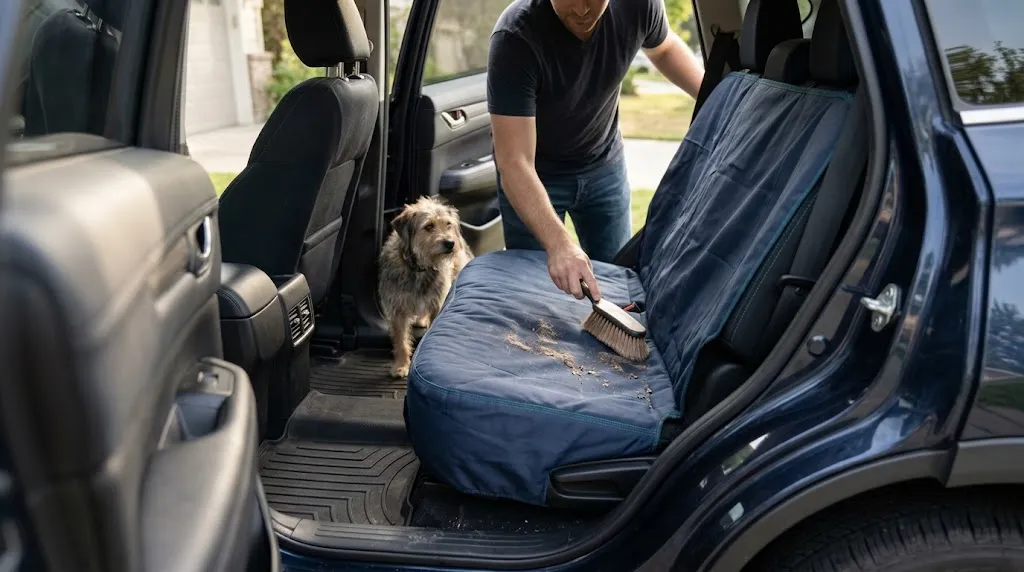
The biggest advantage of car seat covers is protecting seats from predictable daily wear. Their value becomes clearer when you consider how your vehicle is actually used.
1. Protection Against Everyday Wear
Repeatedly entering and leaving a vehicle creates friction against the seat cushion and outer bolsters. Work clothes, zippers, and rough fabric can increase this contact.
A properly fitted cover can absorb some of that wear instead of exposing the original upholstery directly.
This matters most when:
- You drive or commute daily.
- Your work clothes carry dirt or abrasive particles.
- You regularly enter and exit a high vehicle.
- Your seats already show minor surface wear.
- You intend to keep the vehicle for several years.
Seat covers will not repair torn foam or damaged upholstery underneath. They can, however, help limit additional cosmetic wear.
2. Easier Cleaning After Spills
Cleaning factory cloth seats can take longer than wiping or washing a removable cover. Some upholstery also retains moisture after cleaning.
A removable, washable cover gives you another option when drinks, food, or everyday dirt reach the seat.
Look for these cleaning features:
- Clear machine-washing or hand-washing instructions.
- Stain-resistant outer fabric.
- Removable sections that are easy to reinstall.
- Seams that tolerate repeated cleaning.
- Materials compatible with your preferred cleaning products.
Water-resistant covers can slow moisture penetration, but spills may still reach uncovered seams or edges. Clean liquid promptly rather than relying entirely on the cover.
3. Better Protection for Pet Owners
Dogs can leave hair, mud, moisture, and scratches across vehicle seating. Pet-oriented covers create a washable barrier between those messes and the upholstery.
For a rear bench, a properly secured pet cover may be more useful than a decorative full-seat cover.
Choose a cover that does not obstruct seat belts or approved pet-restraint attachment points. A seat cover does not replace a suitable pet restraint.
4. A Fresh Interior Without Reupholstering
Worn upholstery can make an otherwise well-maintained vehicle feel older. Seat covers offer a cosmetic refresh without removing the factory material.
Color-matched covers can also make mismatched seating surfaces look more consistent. The result depends heavily on fit and fabric quality.
5. Potential Protection of Resale Appearance
Buyers often inspect visible seat wear when judging a used vehicle’s condition. Keeping original upholstery clean may help preserve a more appealing interior.
However, covers do not guarantee a higher resale price. Mileage, maintenance history, accident history, and overall condition still matter greatly.
Section Takeaway: The strongest reason to buy seat covers is practical protection, especially when cleaning and upholstery wear are recurring concerns.
What Are the Disadvantages of Car Seat Covers?
Seat covers also have disadvantages, particularly when shoppers prioritize low prices over fit and compatibility. Some problems are inconvenient, while others have safety implications.
1. Poor Fit and Unwanted Movement
Universal covers may bunch around seat edges, wrinkles, and bolsters. A loose cover can also shift as you enter, exit, or adjust your seating position.
Watch for these warning signs:
- Fabric sliding across the cushion.
- Loose material gathering behind your legs.
- Straps or fasteners coming undone.
- Headrest covers sitting unevenly.
- Seat-adjustment controls becoming difficult to reach.
A cover that keeps moving is rarely a good value. Constant adjustment defeats the convenience you purchased it for.
2. Reduced Breathability and Comfort
Thick synthetic materials can trap heat or moisture against clothing. This becomes noticeable during long drives or in warm climates.
Some textured materials may also feel rough against exposed skin. Extra padding can change how the original seat supports your body.
For hot weather, breathable fabric may be more comfortable than a thick, nonporous leatherette cover.
3. Interference With Seat Features
Modern seats may contain ventilation channels, electric adjustment controls, heating elements, airbags, and occupant sensors. An incompatible cover can affect normal operation.
Potential issues include:
- Reduced airflow through ventilated seating.
- Insulation that changes heated-seat performance.
- Blocked reclining or adjustment controls.
- Covered seat belt buckles or anchor access.
- Interference with occupant-detection systems.
- Obstruction of seat-mounted side airbags.
These are not minor concerns. A product advertised as universal may still be unsuitable for your vehicle.
4. Maintenance and Replacement Costs
Seat covers collect dirt even when they protect the original upholstery. Depending on the material, they require washing, wiping, conditioning, or occasional replacement.
Budget products may stretch, fade, crack, or develop loose seams. A low purchase price offers little value when the cover needs frequent replacement.
5. Covers Can Hide Existing Problems
Seat covers can conceal stains or cosmetic damage, but they cannot resolve damaged seat structures. They should never be used to disguise a malfunctioning seat belt, airbag, or seat-adjustment mechanism.
Before covering an older seat, inspect its condition. Repair functional problems separately.
Section Takeaway: Seat covers are less appealing when they move around, compromise comfort, or interfere with vehicle safety systems.
How Much Do Car Seat Covers Cost, and Are They Good Value?
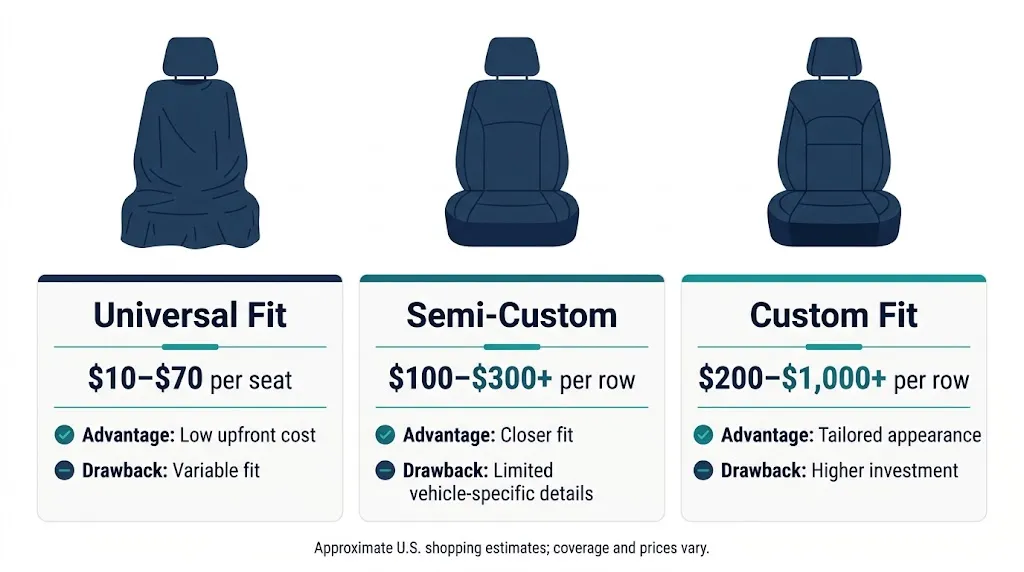
Car seat cover prices vary widely because material, coverage area, and customization affect cost. In 2026, comparing prices requires checking whether a listing covers one seat, a pair, a row, or an entire vehicle.
Universal vs. Semi-Custom vs. Custom Seat Covers
The following ranges are broad U.S. shopping estimates, not guaranteed retail quotes. Prices can change with vehicle design, brand, and included components.
| Cover Type | Approximate Price | Main Advantage | Main Drawback |
|---|---|---|---|
| Universal fit | $10–$70 per seat | Low upfront cost | Variable fit |
| Semi-custom | $100–$300+ per row | Closer fit | Limited vehicle-specific details |
| Custom fit | $200–$1,000+ per row | Tailored appearance | Higher investment |
Premium materials and complex seats may exceed these ranges. Professional installation adds another potential expense.
Are Expensive Seat Covers Better?
Not necessarily. A high price may reflect premium materials, detailed stitching, or specialized tailoring rather than better everyday protection.
For example, a modest washable fabric cover may suit a dirty work vehicle better than expensive genuine leather.
Compare value through five questions:
- Does the manufacturer permit the cover on my seat?
- Will the cover protect against my most common messes?
- Does the design fit my exact seating configuration?
- Can I clean or replace it without difficulty?
- Does the warranty justify the price difference?
Do Car Seat Covers Save Money Over Time?
They can save money when they prevent upholstery damage that would otherwise require paid cleaning or repair. However, those savings depend on your actual use.
Consider a hypothetical $120 cover set lasting four years. Its purchase cost averages $30 annually before cleaning or replacement expenses.
That may be worthwhile for someone frequently transporting pets or muddy equipment. For an occasional driver with pristine seats, the same purchase might provide little financial benefit.
Also remember that maintaining a clean seat does not automatically increase resale value by the cost of the covers.
When Are Seat Covers Not Worth the Cost?
Skipping them can be reasonable when your original upholstery already meets your needs. You may prefer routine cleaning instead.
- Your vehicle manufacturer advises against aftermarket covers.
- Your seats have specialized heating, ventilation, or sensing systems.
- You rarely carry passengers, pets, or messy cargo.
- You strongly prefer the feel of original upholstery.
- The only suitable covers are beyond your budget.
Section Takeaway: The best-value seat cover is not necessarily the cheapest or most expensive. It is the compatible product that solves a genuine problem for a reasonable total cost.
Are Car Seat Covers Safe for Modern Vehicles?
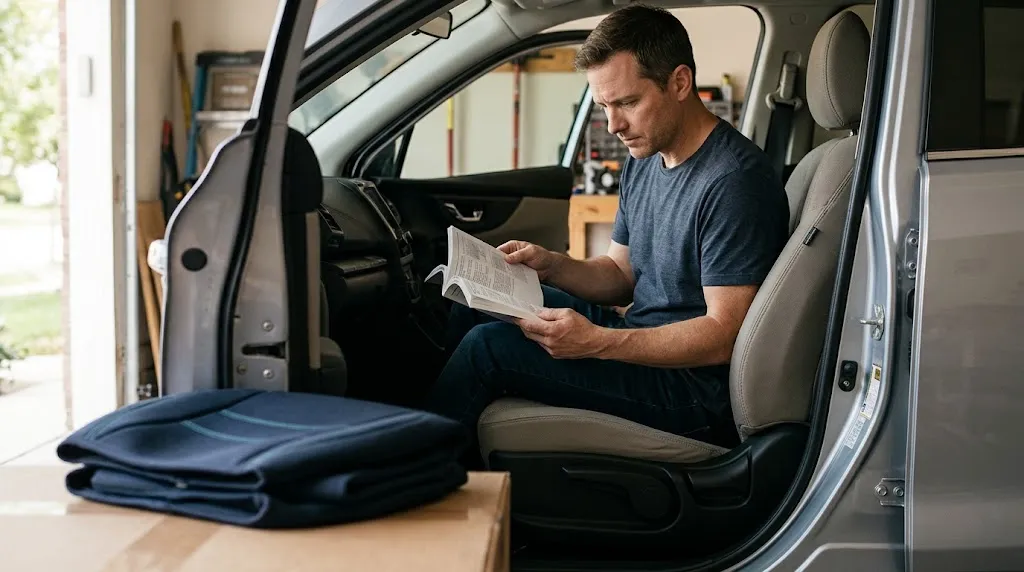
Car seat covers can introduce safety risks when they interfere with original vehicle equipment. Safety compatibility should come before styling, price, or convenience.
Can Seat Covers Interfere With Side Airbags?
Yes. Some vehicles have side airbags that deploy through designated areas of the seatback.
An unsuitable cover may obstruct or alter that deployment path. The Insurance Institute for Highway Safety warns that aftermarket seat coverings can interfere with airbag deployment.
Before fitting covers to seats equipped with side airbags:
- Read the vehicle owner’s manual for restrictions.
- Identify whether the seat contains side-impact airbags.
- Check for manufacturer-approved seat-cover options.
- Verify the product’s compatibility with your specific vehicle.
- Avoid installation when the automaker prohibits accessory covers.
Some products advertise airbag-compatible stitching or release seams. That label alone does not establish approval from the vehicle manufacturer or a government agency.
In a published interpretation, NHTSA’s vehicle equipment guidance explains that aftermarket slip-on seat covers do not have a directly applicable federal seat-cover certification standard.
Ask the cover maker for relevant compatibility information rather than relying on marketing language.
Pro tip: Your owner’s manual and vehicle manufacturer take priority over a generic fitment claim. If compatibility is uncertain, consult an authorized dealer before installing anything.
Are Covers Suitable for Heated and Ventilated Seats?
Not all covers work properly with heated or ventilated seats. Material thickness and airflow resistance can change the way these features perform.
Some vehicle manufacturers warn against placing insulating material over operating seat heaters. For example, Hyundai’s seat heating and ventilation guidance identifies overheating and burn concerns.
Check the owner’s manual before using covers with:
- Heated cushions or seatbacks.
- Ventilated or actively cooled seats.
- Massage mechanisms.
- Specialized seat-surface sensors.
A cover marketed as breathable is not automatically approved for an active cooling or heating system.
Can Seat Covers Affect Occupant Sensors?
Some front passenger seats contain an occupant classification system that helps determine airbag behavior. Added materials or pressure changes may interfere with the system in certain vehicles.
Do not dismiss unexpected airbag warning lights after installation. Remove the accessory when instructed by the manufacturer and seek qualified service.
What About Child Safety Seats?
Vehicle seat covers and child car seat covers are different products. A decorative vehicle-seat accessory should not interfere with a child restraint’s installation or stability.
Likewise, never add an unapproved cover, padding, or liner to a child safety seat. Follow both the child restraint manual and the vehicle owner’s manual.
Section Takeaway: A cover is worth using only when it is permitted for the vehicle and does not compromise airbags, seat belts, sensors, or other safety equipment.
How Do You Choose Car Seat Covers That Are Worth Buying?
Start with your vehicle’s safety requirements, then identify the problem you want to solve. This avoids spending money on attractive covers that are uncomfortable or incompatible.
Step 1: Confirm Exact Seat Compatibility
Vehicle year and model are not always enough to determine fit. Trim level and seating options can change seat shapes considerably.
Check the following details:
- Vehicle year, make, model, and trim.
- Front bucket seats or bench seating.
- Integrated or removable headrests.
- Side airbags and occupant sensors.
- Heated or ventilated seat functions.
- Rear-seat split-folding configuration.
- Seat belt buckle and armrest locations.
Ask the manufacturer for confirmation if the product listing does not clearly identify your seating configuration.
Step 2: Choose Material Based on Your Driving Habits
Different users benefit from different cover characteristics. The best material is the one that matches your routine.
| Driving Situation | Material to Consider | Reason |
|---|---|---|
| Daily commuting | Durable polyester | Simple maintenance |
| Pets and muddy clothing | Water-resistant fabric or neoprene | Spill and dirt resistance |
| Work trucks | Heavy-duty canvas | Abrasion resistance |
| Hot climates | Breathable woven fabric | Better airflow potential |
| Appearance upgrades | Tailored fabric or leatherette | More integrated appearance |
These are material preferences, not automatic safety approvals. Confirm your vehicle’s restrictions before selecting any full-seat covering.
Step 3: Inspect Installation Quality
A cover should stay secure without modifying the original seat structure. Never attach fasteners to safety wiring or interfere with seat mechanisms.
When evaluating an installed cover, check that:
- It lies smoothly without loose folds.
- The seat belt buckle remains fully accessible.
- The seat adjusts through its normal range.
- Permitted headrest movement remains available.
- Nothing obstructs airbag deployment areas.
- All supplied fasteners follow the manufacturer’s instructions.
Do not remove the seat, disconnect airbag wiring, or modify original upholstery merely to fit an accessory. Ask a qualified installer when specialized work is required.
Step 4: Consider Long-Term Durability
No single lifespan applies to every car seat cover. Sun exposure, driving frequency, material quality, and cleaning habits all affect durability.
Inspect covers periodically for loose seams, cracking, stretching, or movement. Replace damaged covers when they can no longer fit securely or function as intended.
Step 5: Decide Whether You Need Full Coverage
Full-seat coverage is not always necessary. Some drivers primarily need protection for rear seating during occasional pet transportation.
Others may be better served by regular upholstery cleaning or a manufacturer-approved protective accessory.
Choose only the coverage you need. Extra material creates extra cost and may introduce additional compatibility problems.
Section Takeaway: Prioritize verified compatibility, stable fit, and useful materials. A carefully chosen modest cover can be more valuable than an expensive decorative set.
Frequently Asked Questions
Are car seat covers worth buying for a new car?
They may be worthwhile if your new car faces frequent spills, dirt, pets, or upholstery wear. However, confirm that the manufacturer permits covers, especially on seats with integrated airbags, heating, ventilation, or occupant sensors.
Do car seat covers damage original seats?
Properly chosen covers can help protect upholstery, but poorly fitted accessories may cause rubbing, trapped moisture, or surface marks. Remove permitted covers periodically to inspect and clean the original seats according to the vehicle manufacturer’s instructions.
Are custom-fit car seat covers better than universal covers?
Custom-fit covers generally offer a closer appearance and better alignment with seat contours. However, they cost more, and the custom-fit label does not guarantee safety. Manufacturer permission and compatibility remain essential.
Do seat covers make car seats hotter?
Some covers can make seats feel warmer, particularly when made from thick or nonbreathable synthetic materials. Climate, clothing, and the underlying upholstery affect comfort. A breathable fabric may be preferable in hot weather.
Are waterproof car seat covers worth it?
Water-resistant or waterproof covers can be valuable for pet owners, outdoor workers, and drivers who frequently transport wet equipment. Check the actual waterproof construction, seam design, cleaning instructions, and vehicle compatibility before buying.
Do car seat covers increase resale value?
Seat covers do not directly guarantee a higher resale price. They may help preserve the appearance of original upholstery, which can support the vehicle’s overall presentation when selling. Buyers still consider mechanical condition, mileage, and vehicle history.
Is it better to clean car seats or buy covers?
Cleaning is often sufficient for seats that rarely get dirty. Covers may provide additional convenience when messes are frequent. If the vehicle manufacturer prohibits aftermarket covers, proper upholstery care is the safer choice.
Final Verdict: Are Car Seat Covers Worth It?
For many everyday drivers, car seat covers provide useful protection and easier cleaning at a manageable cost. They make particular sense when your lifestyle regularly exposes seats to dirt, moisture, and friction.
However, buying covers simply because they look attractive is not always worthwhile. Poor fit, heat retention, and safety incompatibility can outweigh the benefits.
My recommendation is to start with the owner’s manual, identify your main protection need, and compare compatible products before spending money. Choose long-term usefulness over an impressive product photo.
Before you buy: Check your seat configuration, verify the vehicle manufacturer’s requirements, compare cleaning instructions, and confirm the return policy.
Protecting your original interior is a sensible goal. The right solution is the one that preserves comfort and vehicle safety while meeting your everyday needs.

Daniel Brooks is an automotive writer and product researcher focused on car accessories, car tech, maintenance, and practical driving guides. At Plug-in Car World, he helps drivers make smarter automotive decisions through honest reviews and research-driven content.
