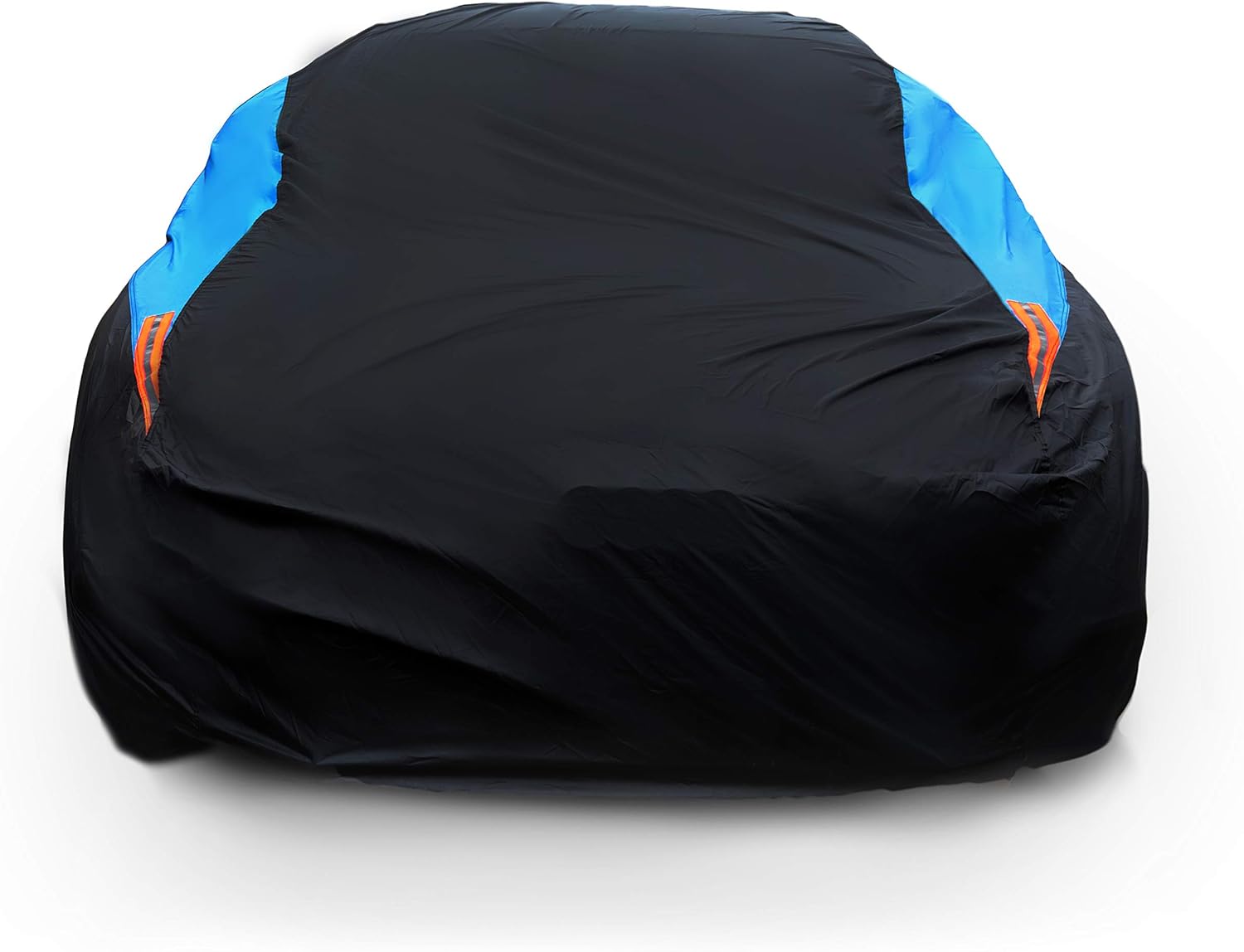
Best Practices for Storing a Car Cover the Right Way
Quick Answer
Store your car cover clean, completely dry, and loosely folded or rolled inside a breathable bag, in a cool spot away from sunlight and moisture. Skip these steps and mold, creases, and torn fabric show up fast.
Do this every time:
- Wash and fully air-dry the cover first.
- Fold or roll it loosely — never crumple it.
- Keep it in a breathable bag, in a cool, dry spot.
You just pulled your car cover off after a long winter, and it smells musty. Maybe there’s a faint white bloom of mold along one fold line. It’s a frustrating discovery, and it’s almost always preventable.
Daniel Brooks has spent years covering car care topics, and one thing keeps coming up: people take great care of the cover while it’s on the car, then toss it in a corner the moment it comes off. That single habit is what shortens a cover’s life the most.
Here’s how to store a car cover so it’s clean, dry, and ready to go the next time you need it.
Key Takeaways
- Moisture is the single biggest cause of a ruined car cover.
- Tight folds create permanent creases that weaken the fabric.
- A breathable bag beats a plastic bin for everyday storage.
- Cool, dark, ventilated storage adds years to a cover’s life.
Clean and Dry the Cover Before You Store It
Never put a car cover away wet or dirty. Trapped moisture is what breeds mold and mildew, and trapped grit slowly wears through the fabric fibers.
Shake off loose debris first. Then hand-wash the cover with a mild soap and lukewarm water, following the manufacturer’s care label. Rinse thoroughly so no soap residue is left behind — residue can attract dirt later.
Lay the cover flat or hang it somewhere with good airflow until it’s completely dry, not just dry to the touch. Even slight dampness inside the folds is enough to start mildew growth within a few days.
Warning
Storing a cover that’s damp — even slightly — is the fastest way to get mold. When in doubt, give it another day to dry.
Fold or Roll It the Right Way
How you fold a cover matters almost as much as cleaning it. Balling it up or stuffing it into a bag creates sharp creases that weaken the fabric over time and can eventually crack coated or laminated layers.
A better method: lay the cover flat on a clean surface, bring the two long sides in toward the center to form a long strip, then fold that strip in half or thirds from one end to the other — similar to rolling up a sleeping bag. Press out trapped air as you go so the final shape stays compact.
Rolling instead of folding is another solid option, especially for thicker multi-layer covers, since it avoids sharp crease lines altogether.
Avoid These Folding Mistakes
- Folding on a dirty garage floor, which transfers grit onto the fabric.
- Cramming the cover tightly to save space.
- Always folding along the exact same lines, which deepens the same crease every time.
Choose the Right Storage Spot
Where you store the cover matters as much as how you fold it. Look for a spot that’s cool, dark, dry, and reasonably ventilated — a closet shelf, a garage cabinet, or an indoor storage tote all work well.
Avoid direct sunlight, since UV exposure fades and weakens fabric even when the cover isn’t in use. Skip damp basements, sheds prone to condensation, or the trunk of a car parked outside, where temperature swings encourage moisture buildup.
| Storage Spot | Good Choice? | Why |
|---|---|---|
| Closet shelf | Yes | Cool, dry, out of sunlight |
| Garage cabinet | Yes | Ventilated and protected from dust |
| Damp basement | No | High humidity invites mildew |
| Car trunk (outdoors) | No | Heat and condensation cycles |
Use a Breathable Storage Bag
A dedicated storage bag keeps dust, dirt, and pests off the cover between uses. Most covers ship with one, and it’s worth using it rather than a plain plastic bag.
Stick to breathable materials like cotton, canvas, or a vented storage sack. Sealed plastic bins or bags can trap any last bit of moisture against the fabric, which defeats the purpose of drying the cover in the first place. If you use a bin, leave the lid slightly cracked or add a small moisture absorber.
Tip
If your cover has zippers, straps, or mirror pockets, tuck them inside the fold before bagging it. This keeps hardware from snagging or scratching the fabric.
Check on It Every Few Months
A car cover in storage isn’t a “set it and forget it” item, especially during long off-seasons. Take a couple of minutes every month or two to pull it out and check for musty smells, damp spots, or new creases.
This is also a good time to look for small tears, thinning fabric, or worn seams. Catching a small tear before storage turns it into a bigger repair is far easier than fixing a cover after months of neglect.
What Most People Get Wrong About Storing a Car Cover
“It’s dry enough after a quick wipe-down.” Surface-dry and fully dry aren’t the same thing. Fabric can feel dry on the outside while trapping moisture in the folds — give it more time than you think it needs.
“Any storage bin will do.” Sealed plastic containers trap humidity. A breathable bag or a vented bin protects the cover far better than an airtight one.
“Folding tightly saves space, so it’s fine.” Tight, repeated folds create permanent crease lines that weaken fabric over time, sometimes cracking coated layers outright.
Conclusion
A car cover only protects your vehicle if it’s in good shape itself. Clean it, dry it fully, fold or roll it loosely, and store it in a cool, ventilated spot inside a breathable bag.
Do that every time, and one cover can easily last several seasons instead of one. Right now, go check the cover you last stored — if it’s balled up in a corner, take two minutes to refold it properly.
Frequently Asked Questions
How do I store a car cover when not in use?
Wash and fully dry the cover, fold or roll it loosely, and place it in a breathable bag. Keep it in a cool, dry, ventilated spot away from direct sunlight until you need it again.
Can I store a car cover in a plastic bag or bin?
Sealed plastic isn’t ideal since it traps humidity against the fabric. A breathable cotton or canvas bag, or a vented bin, keeps air circulating and reduces the chance of mold.
Is it OK to store a car cover if it’s slightly damp?
No. Even slight dampness can lead to mold and mildew within days, especially inside tight folds. Always let the cover air-dry completely before putting it away.
Should I fold or roll my car cover?
Either works, as long as you avoid tight, repeated creases. Rolling tends to be gentler on thicker, multi-layer covers, while folding is fine for lighter covers if done loosely.
How often should I clean a car cover in storage?
Clean it before every long storage period, and check it every month or two while it’s stored. If it’s used seasonally, a wash at the start and end of each season is usually enough.
Where’s the best place in the house to store a car cover?
A closet shelf, garage cabinet, or utility room works best. Look for cool, dry, ventilated spots out of direct sunlight, and avoid damp basements or sheds prone to condensation.
Can improper storage ruin a car cover?
Yes. Storing it wet, dirty, or tightly balled up leads to mold, permanent creases, and fabric breakdown, all of which shorten the cover’s usable life significantly.
Sources: Covercraft Support, CarCovers.com

Daniel Brooks is an automotive writer and product researcher focused on car accessories, car tech, maintenance, and practical driving guides. At Plug-in Car World, he helps drivers make smarter automotive decisions through honest reviews and research-driven content.