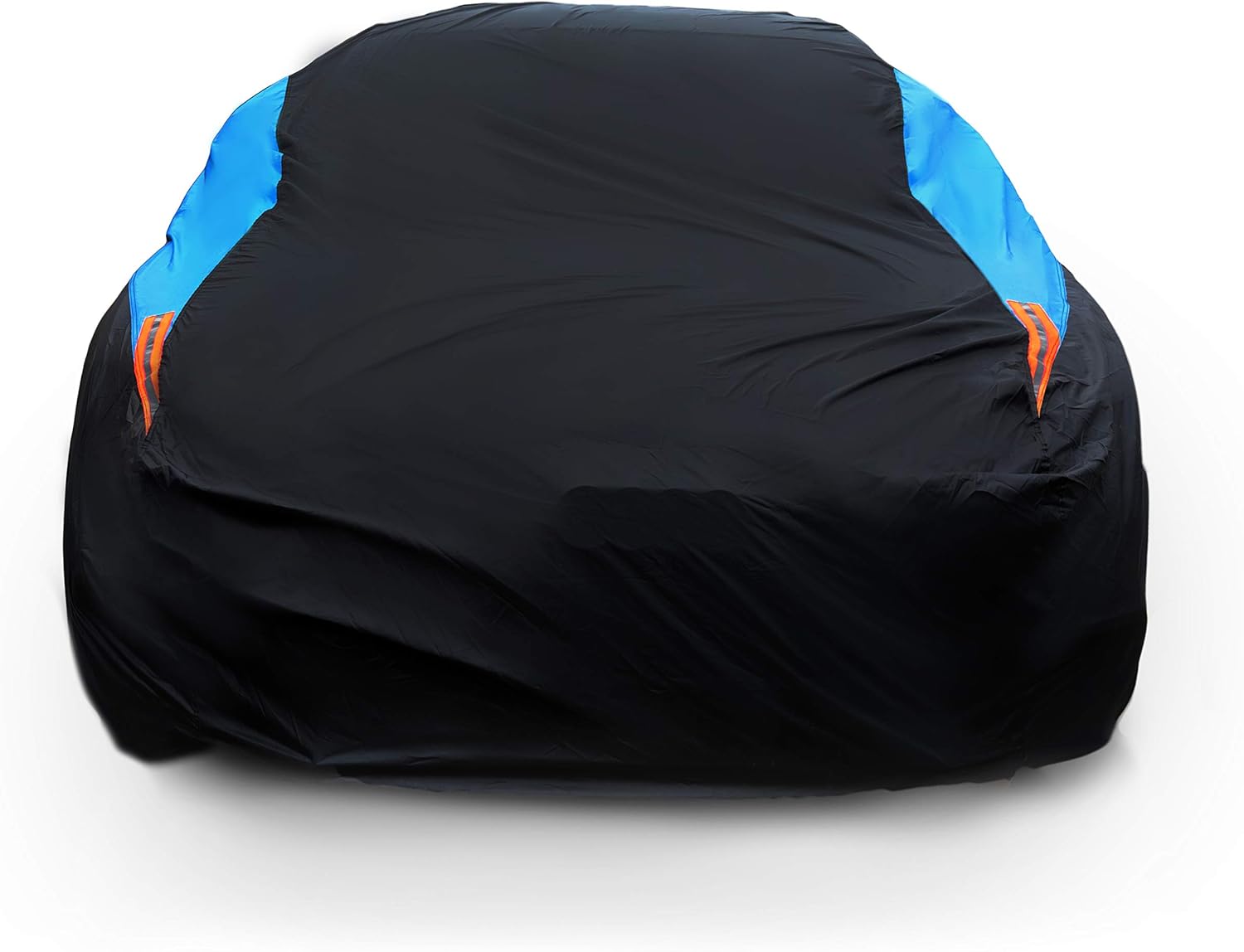
How to Prepare a Car Cover for Long-Term Storage
⚡ Quick Answer
Before you put a car cover away for long-term storage, wash it, let it dry completely, check it for tears, and fold or roll it loosely into a breathable bag. A damp or dirty cover left folded up will grow mold and mildew in weeks, not months.
Prep Steps In Order
-
1
Wash the cover with mild soap and water -
2
Air-dry it fully, out of direct sun -
3
Fold loosely and store in a breathable bag
Mistakes That Ruin A Stored Cover
-
✓
Packing it away even slightly damp -
✓
Sealing it in an airtight plastic bin -
✓
Folding it the exact same way every time
Daniel Brooks has seen it more times than he’d like: a car owner pulls a “clean” cover out of the closet after a season in storage, and it smells like a wet basement. The fabric is stiff. There are dark spots that won’t wash out. That cover is done, and so is the protection it was supposed to give your car’s paint.
A car cover is a piece of fabric doing a hard job. It sits outside, catches dust, sap, and moisture, and then it usually gets balled up and shoved in a corner. That’s exactly how mildew, permanent creases, and torn seams happen.
Storing it properly takes less than 20 minutes. Here’s exactly how to clean, dry, fold, and store your car cover so it’s still doing its job the next time you pull it out.
📌 Key Takeaways
-
→
A damp cover can start growing mildew within days of being folded and stored. -
→
Breathable storage bags beat sealed plastic bins for keeping fabric mildew-free. -
→
Sharp permanent creases form when a cover is folded the same way for months at a time. -
→
Direct sunlight and heat during storage weaken UV-resistant coatings over time.
Why Cleaning the Cover First Actually Matters
Skip the wash and you’re not just storing a dirty cover. You’re storing dirt, pollen, and tree sap against fabric for weeks or months. Those particles trap moisture underneath them, and that’s exactly where mold gets started.
Washing the cover with mild soap and water removes the dirt, dust, and debris that can trigger mold and mildew once the fabric is put away. Let it air-dry completely afterward — a damp cover is the single biggest reason covers go bad in storage.
✅ Tip
Lay the cover flat on a clean driveway or garage floor to dry. Hanging it can stretch seams; a dryer can melt UV coatings.
Inspect It Before You Put It Away
Once it’s clean and dry, run your hands along the seams and check the fabric under good light. Small tears and thinning spots are easy to miss on a dirty cover but obvious on a clean one.
Catching damage now means a quick patch instead of a full replacement later. A small tear left alone gets bigger every time the cover is folded and unfolded.
📋 What to Check Before Storage
-
Seams: Look for loose stitching, especially around mirror pockets and grommets. -
Fabric: Check for thin, worn patches that let light through when held up. -
Straps and buckles: Make sure elastic hasn’t cracked and buckles still clip firmly.
Fold or Roll It the Right Way
How you fold it decides whether it comes out smooth next season or full of stiff creases. Start on a flat, clean surface like a garage floor, bring both sides in toward the center to form a narrow strip, then fold the top and bottom in toward the middle.
Rolling is gentler on the fabric than tight folding, since it doesn’t create sharp crease lines in one spot. If you do fold it, switch up the fold pattern each time you store it so the same lines don’t get pressed in permanently.
⚠️ Warning
Don’t fold it too tightly. Over time, tight folds press in creases that never fully relax out of the fabric.
Where and How to Store It
A breathable cotton or canvas storage bag works best — avoid sealed plastic unless it’s ventilated. Plastic traps whatever moisture is left in the fabric, even trace amounts you can’t feel, and that’s enough to start mildew.
Keep the stored cover in a cool, dry spot out of direct sunlight. A closet shelf, garage cabinet, or trunk pouch all work. Avoid attics, damp basements, or anywhere temperatures swing wildly.
What Most People Get Wrong About Storing a Car Cover
“It looked dry, so I folded it up.” Fabric can feel dry on the surface while still holding moisture in the weave, especially in humid climates. That trapped moisture is enough to start mildew within days.
“A sealed tote will keep it cleanest.” It’s the opposite. A breathable bag is recommended specifically because plastic should be avoided unless it’s ventilated. Sealed containers hold in humidity instead of letting it escape.
“I always fold it the exact same way — it’s faster.” That consistency is what presses permanent crease lines into the fabric over months of storage. Vary the fold or switch to rolling instead.
One Thing to Do Right Now
A clean, bone-dry, properly folded cover stored in a breathable bag will outlast one that’s shoved away damp — often by years, not months. Get in the habit of doing this every single time you take the cover off, not just at the end of the season.
Right now: pull your cover off, check if it’s actually dry underneath the folds, and if it isn’t, lay it flat for an hour before you store it again.
Frequently Asked Questions
Should I wash a car cover before storing it?
Yes, always. Washing removes dirt, dust, and debris that would otherwise sit against the fabric for months and encourage mold and mildew growth once it’s folded away.
Can I store a car cover in a plastic bin?
Only if it’s ventilated. A fully sealed plastic bin traps residual moisture against the fabric, which is exactly the environment mildew needs to take hold. A breathable cotton or canvas bag is the safer choice.
What’s the best way to fold a car cover for storage?
Lay it flat, bring both sides toward the center to form a narrow strip, then fold the top and bottom into the middle. Rolling instead of folding, or varying your fold pattern each time, helps prevent permanent creases.
How do I know if my car cover is dry enough to store?
Check the fabric at the seams and folds, not just the surface — that’s where moisture hides longest. If you’re unsure, give it another hour or two of air-drying flat before folding it away.
Where’s the best place to store a car cover?
A cool, dry spot out of direct sunlight — a garage shelf, closet, or trunk pouch all work well. Avoid damp basements, hot attics, and anywhere with big temperature swings.
Will folding my car cover the same way every time damage it?
Over time, yes. Repeated folding along the same lines presses in creases the fabric struggles to release. Rolling it or changing the fold pattern between uses helps the material stay flexible.
Should I check my car cover for damage before storing it?
Yes. Inspect seams, grommets, and elastic hems while it’s clean and easy to see. Repairing a small tear now is far easier than dealing with a bigger one after months in storage.

Daniel Brooks is an automotive writer and product researcher focused on car accessories, car tech, maintenance, and practical driving guides. At Plug-in Car World, he helps drivers make smarter automotive decisions through honest reviews and research-driven content.