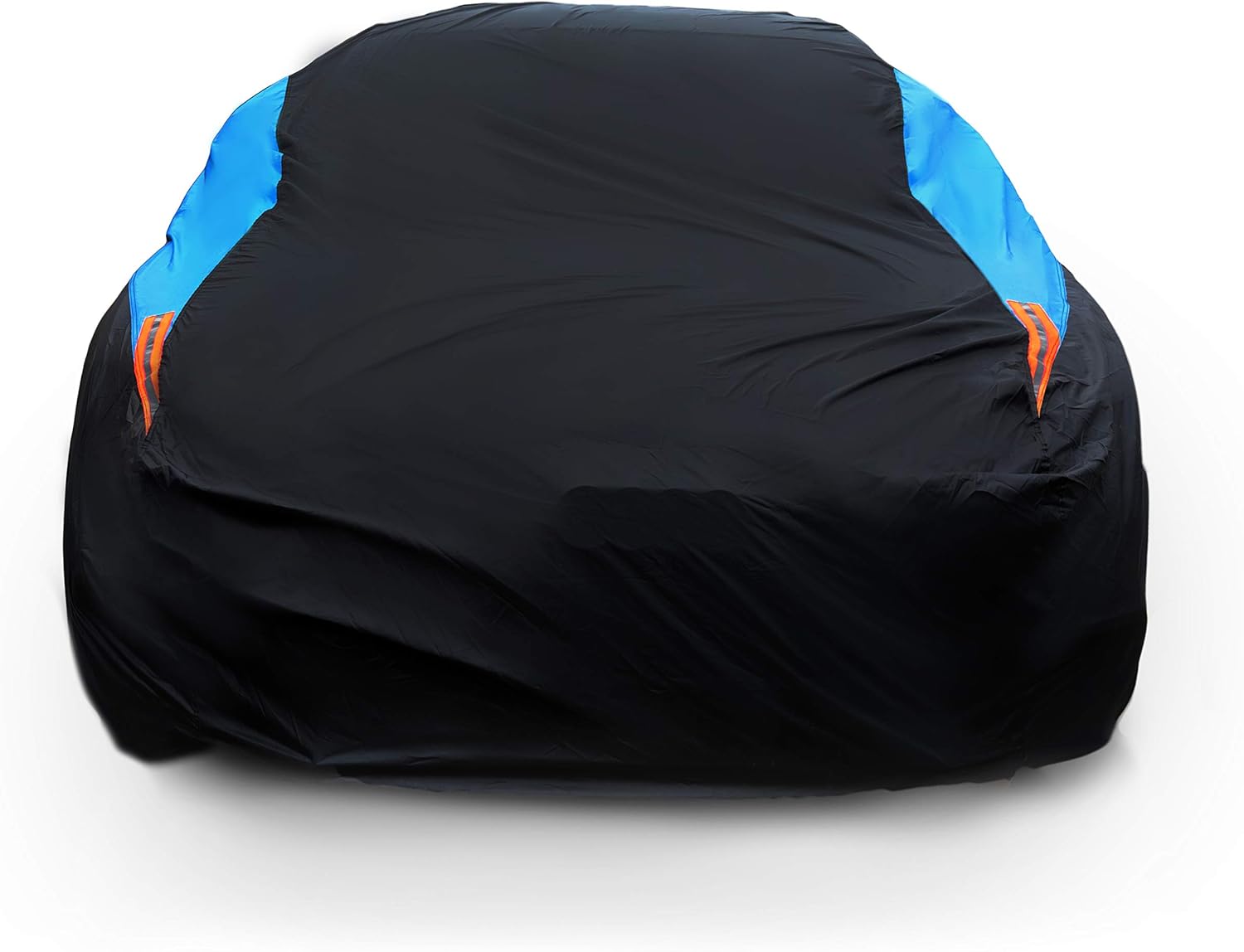
Can a Car Cover Damage Ceramic Coating? Truth Explained
⚡ Quick Answer
A car cover will not damage ceramic coating on its own. Damage happens when the cover is cheap, dirty, ill-fitting, or put on a vehicle that hasn’t been washed first. A soft, well-fitted, breathable cover is safe and can actually extend the life of your coating.
What Actually Causes Scratches Under a Cover
- Trapped grit: dust or sand caught between the cover and paint acts like sandpaper.
- Rough lining: bare polyester or vinyl liners rub the coating with every gust of wind.
- Poor fit: a loose cover shifts and flaps, which grinds dirt into the surface.
How to Keep Your Coating Safe
-
✓
Wash and dry the car before covering it -
✓
Choose a soft fleece or cotton-lined cover -
✓
Use a custom or snug fit to stop flapping
You just paid good money for a ceramic coating, and now you’re staring at a car cover wondering if it’ll undo all that work. It’s a fair worry. Plenty of owners on detailing forums swap stories about swirl marks that showed up after they started covering their car.
Daniel Brooks, who’s spent years writing about car care and protective coatings, hears this question often: does the cover itself cause the damage, or is something else going on? The short version is that the cover material and how you use it matter far more than the simple act of covering the car.
Let’s get into what’s really happening under that cover, and how to avoid the mistakes that cause trouble.
📌 Key Takeaways
-
→
Cheap covers with bare polyester or vinyl liners cause most cover-related scratches. -
→
Trapped dirt between the cover and paint is the real abrasive, not the fabric alone. -
→
Ceramic coating adds gloss and chemical resistance, but it does not stop physical scratches. -
→
A custom-fit, fleece-lined cover reduces flapping and is generally safe to use daily.
Does a Car Cover Really Damage Ceramic Coating?
No, a car cover by itself doesn’t damage ceramic coating. Owner reports and detailing shops agree on this: the coating itself isn’t what gets scratched up. It’s the paint underneath, and the coating doesn’t add a layer of armor against scratches the way it does against UV rays and water spots.
Most reported damage traces back to one of three things: a cheap cover material, dirt trapped against the paint, or a cover that shifts in the wind. Shops that specialize in coatings note that ceramic coating and paint protection film both remain susceptible to scratching from a cover that’s used poorly. So the question isn’t really “cover or no cover” — it’s “what kind of cover, and how are you using it.”
That’s good news if you’ve already got a cover you like. It just means a few habits matter more now than they did before you got the coating done.
What Actually Causes Scratches Under a Car Cover?
Three things cause almost every scratch story you’ll read about coated cars and covers. Knowing them tells you exactly what to fix.
Trapped Dirt and Dust
Dirt particles caught between the cover and your paint act like fine sandpaper every time the cover moves. A detailing shop in Texas explains it plainly: even a quick 15 minutes outside can attract enough dust to cause a problem once trapped under a cover. This happens whether or not your paint is coated.
Rough or Low-Quality Lining
Single-layer covers made from bare nonwoven polypropylene or vinyl have a rougher inner surface. One materials guide puts it directly: cheap single-layer covers with rough nonwoven liners can leave micro-scratches on clear coats, especially when dust is present. A soft fleece or microfiber lining solves this almost entirely.
Poor Fit and Wind Movement
A loose, universal-fit cover flaps in the wind. That movement drags any trapped grit across the surface again and again. A snug, custom-fit cover barely moves, so this risk drops sharply.
⚠️ Warning
Never cover a dirty car. Detailers who work on coated vehicles warn that covering a dirty surface, coated or not, is one of the fastest ways to scratch the paint.
Indoor vs Outdoor Covers: Which Is Safer for Coated Paint?
Indoor covers are the lower-risk choice for a freshly coated car. They face no wind, rain, or road grit, so the main scratch risk — trapped dirt moving against the surface — barely applies. A breathable cotton or flannel cover is usually enough for garage storage.
Outdoor covers face tougher conditions, so material quality matters more. Look for a fleece-lined inner layer paired with a waterproof, breathable outer shell. A car cover review guide sums up the trade-off well: a soft cotton liner cushions debris instead of dragging it across the clear coat, while bare polyester or vinyl linings found on cheaper covers offer far less protection.
How to Cover a Ceramic-Coated Car Without Causing Damage
Follow these steps every time you cover the car, and the risk of scratches drops close to zero.
🔢 Step-by-Step: Covering a Coated Car Safely
-
1
Wash and fully dry the car
Use a pH-neutral shampoo made for coated paint. Never cover wet or dirty paint.
-
2
Wait until the coating fully cures
Skip the cover for the first one to two weeks after a fresh application.
-
3
Shake out the cover before use
Remove grit and debris from the lining before it touches the paint.
-
✓
Lay it on gently, lift it off the same way
Drape the cover rather than dragging it, and lift straight up when removing.
What Most People Get Wrong About Car Covers and Ceramic Coating
Several myths keep this debate alive. Here’s what the facts actually show.
📋 Common Myths, Corrected
-
“Ceramic coating makes the cover safe to drag on and off”: It doesn’t. The coating resists chemicals and water, not friction or grit. -
“Any cover works once the coating is on”: The cover’s lining quality still decides whether scratches happen. -
“Covers are only a risk outdoors”: Indoor covers can still trap garage dust against the paint if you skip the wash step.
Conclusion
A car cover doesn’t ruin ceramic coating on its own. The real risks are dirty paint, rough liners, and a loose fit that lets the cover move. Pick a soft-lined, well-fitted cover and your coating will stay glossy for years.
One thing to do right now: Check the inner lining of your current cover. If it feels rough or scratchy, swap it for a fleece-lined version before you use it again.
Frequently Asked Questions
Can I put a car cover on a freshly ceramic coated car?
Wait at least one to two weeks before covering a freshly coated car. The coating needs time to fully cure and bond to the paint before anything touches the surface.
What is the best car cover for a ceramic coated car?
The best choice is a custom or snug-fit cover with a soft fleece, satin, or cotton-flannel inner lining. This combination resists wind movement and keeps grit from rubbing the paint.
Do car covers cause swirl marks?
Yes, they can, but only when the lining is rough or dirt gets trapped underneath. A clean car and a soft-lined cover almost eliminate this risk.
Should I use a car cover or just keep the car in the garage?
If you have garage space, skip the cover entirely and let the coating do its job. Use a cover mainly when the car must sit outside for an extended period.
Does ceramic coating protect against scratches under a cover?
No. Ceramic coating protects against UV damage, water spots, and chemical staining, but it does not add meaningful scratch resistance against grit or rough fabric.
Can I leave a cover on a coated car for long-term storage?
Yes, as long as the cover is breathable. A non-breathable plastic tarp traps moisture and heat, which can damage paint and electrical connectors over time.
How often should I wash a car cover?
Wash a fabric cover every few months, or sooner if it picks up visible grit. A clean lining is just as important as a clean car for avoiding scratches.

Daniel Brooks is an automotive writer and product researcher focused on car accessories, car tech, maintenance, and practical driving guides. At Plug-in Car World, he helps drivers make smarter automotive decisions through honest reviews and research-driven content.