Why Does My Car Cover Smell Bad? Causes, Fixes, and Prevention
⚡ Quick Answer
A car cover smells bad mainly because moisture gets trapped between the cover and the car, creating the perfect conditions for mold and mildew. A dirty, unwashed cover, improper wet storage, or chemical off-gassing from a brand-new cover can also produce a foul odor.
Top reasons your car cover smells bad:
- Trapped moisture: A non-breathable cover locks humidity against the car, causing mold.
- Dirty cover: Built-up debris, bird droppings, and grime break down into odor-causing bacteria.
- Wet storage: Folding and storing a damp cover breeds mildew inside the storage bag.
- New cover off-gassing: Fresh covers release chemical compounds (VOCs) that fade within days.
Quick fixes for a smelly car cover:
-
✓
Remove the cover and air it out in direct sunlight for 4 hours -
✓
Hand wash with mild detergent and rinse thoroughly -
✓
Always store the cover bone-dry in a breathable bag
You pull the cover off your car and you’re hit with a wave of stale, musty air — or worse, something chemical and sharp. It’s not just unpleasant. It’s a sign something is wrong with how the cover is being used or stored. I’m Daniel Brooks, and after years of writing about vehicle care and protection, I can tell you that a smelly car cover is one of the most common — and most preventable — car care problems out there. This guide covers every reason your car cover smells bad, and exactly what to do about it.
📌 Key Takeaways
-
→
Moisture is the #1 cause — non-breathable covers trap condensation against the paint surface, feeding mold and mildew growth. -
→
Storing a wet cover in a bag is the fastest way to create a mold colony that will smell worse every time you use the cover. -
→
A new car cover’s chemical smell comes from VOCs off-gassing from synthetic fabric and coatings — it fades within 3–7 days of airing out. -
→
A breathable car cover prevents most odor problems by letting moisture escape instead of trapping it against the car.
Why Does a Car Cover Smell Bad? The Main Causes Explained
A car cover smells bad when something organic or chemical is trapped against the fabric and has nowhere to go. The enclosed space between the cover and the car creates a warm, dark, low-airflow environment — the exact conditions that turn a small problem into a big stink.
The cause depends on the type of smell. A musty or earthy odor points to mold or mildew. A sour or rotten smell usually means bacteria from dirt and debris. A sharp chemical odor is almost always off-gassing from a new cover. Knowing which smell you have tells you which fix to apply.
📋 Car cover smell types and what causes them:
-
Musty / earthy smell: Mold or mildew growing on the fabric or under the cover — caused by trapped moisture. -
Sour / rotten smell: Bacteria breaking down bird droppings, tree sap, pollen, and other debris on the cover fabric. -
Sharp / chemical smell: VOC off-gassing from the synthetic materials and coatings of a brand-new cover. -
Damp / stale smell: A wet cover stored in its bag without drying — mildew colonies form in 24 to 48 hours.
Now let’s go deeper into each cause so you can fix the right problem the first time.
Is Trapped Moisture Making Your Car Cover Smell Musty?
Trapped moisture is the single most common reason a car cover smells bad. When a non-breathable cover sits over a car, moisture from rain, dew, or condensation gets sealed between the fabric and the paint surface. That damp, dark, warm space is exactly where mold and mildew thrive. According to the EPA, mold flourishes at temperatures between 40°F and 100°F — which describes most outdoor parking situations perfectly.
Mildew shows up first. It’s a flat, powdery growth with a musty smell you notice right when you lift the cover. Left alone, it turns into mold — which grows deeper into the fabric, produces a much stronger odor, and is harder to remove. A car cover that smells musty every time you use it has almost certainly developed mildew colonies inside its layers.
You might be thinking: “But my cover is waterproof — how is moisture getting in?” A fully waterproof (non-breathable) cover is actually worse for moisture buildup than a breathable one. It blocks rain from entering — but it also blocks the car’s natural heat from pushing moisture out. Condensation forms from below, from the warm car surface meeting cool air. A breathable cover lets that vapor escape. A waterproof one doesn’t.
✅ Tip
Never put a car cover on a wet car. Even a breathable cover will trap condensation against the surface if it starts damp. Always dry the car first — or wait until the car surface is fully dry before covering.
For more detail on the health risks associated with mold and mildew exposure, the EPA’s basic mold information guide explains why preventing moisture buildup matters beyond just the smell. Next, let’s look at what dirty fabric does to your cover’s scent.
Can a Dirty Car Cover Cause Bad Odors?
Yes — a dirty car cover causes a sour, rotten smell that’s very different from mildew’s musty odor. As a car cover collects bird droppings, tree sap, pollen, dust, and dead insects, those organic materials sit on the fabric and begin to break down. Bacteria feed on them and release foul-smelling gases. The longer the cover goes without washing, the worse it gets.
Here’s the part most people miss: dirty cover fabric also loses its breathability. According to Jalopnik’s guide on how to properly clean your car cover, layers of grime significantly degrade a cover’s water-repelling and breathability capabilities — turning a good cover into a smelly moisture trap. So a dirty cover creates two problems at once: it smells on its own AND it starts causing the moisture problem described above.
⚠️ Warning
A dirty car cover acts like sandpaper against your paint. Grit and debris caught in the fabric scratch the clear coat every time the cover moves in the wind. Washing the cover every 1 to 3 months protects both the smell and the paint.
The fix is straightforward: wash the cover regularly. But the type of smell you have determines how urgently you need to act. A light dusty smell? Airing it out works. A sour, decomposing smell? Wash it now.
Why Does a New Car Cover Smell Like Chemicals?
A brand-new car cover often smells sharp, chemical, or plasticky — and that’s completely normal. The smell comes from volatile organic compounds (VOCs) off-gassing from the synthetic polyester fabric, waterproof coatings, and adhesives used in the cover’s construction. This is the same basic process that creates the famous “new car smell” inside a vehicle.
New car covers release VOC concentrations that decline rapidly. Studies on synthetic fabric off-gassing show that concentrations drop by roughly 20% per week. For most car covers, the chemical smell fades to unnoticeable levels within 3 to 7 days of regular airing.
3–7
days for new cover chemical smell to fade
~20%
VOC reduction per week with proper ventilation
50+
chemical compounds released during cover off-gassing
To speed up the process, unpack the new cover and hang it outdoors in sunlight for at least 4 hours before first use. Heat accelerates VOC release, so a warm sunny day clears the smell faster than shade or cool weather. If the chemical smell is still present after 1 week of airing, contact the manufacturer — some low-quality covers use coatings that off-gas for much longer.
So a new cover smell is a waiting game, not a problem to fix. But a persistent musty or rotten smell on any cover? That needs action — and that’s what the next section covers.
How Do You Get the Smell Out of a Car Cover?
Getting the smell out of a car cover requires removing the actual source — not masking it. Whether the odor is mold, bacteria, or old grime, you need to wash and fully dry the cover before using it again. Here’s the process that works for most car covers:
🔢 Step-by-Step: How to Wash and Deodorize Your Car Cover
-
1
Shake out the cover
Remove it from the car and shake off loose dirt, leaves, debris, and bird droppings before washing.
-
2
Hand wash on a clean flat surface
Use lukewarm water and mild detergent — no bleach or harsh chemicals. Scrub gently with a soft sponge in circular motions.
-
3
Treat mold spots with white vinegar
Mix equal parts white vinegar and water. Apply to musty or stained spots, let sit for 15 minutes, then scrub and rinse well.
-
4
Rinse thoroughly with a hose
All soap and vinegar must be completely rinsed out. Residue left in the fabric holds moisture and causes the smell to return.
-
5
Air dry completely in sunlight
Hang over a clothesline or drape flat. Sunlight kills remaining mold spores. Both sides must be fully dry — no damp spots.
-
✓
Store in a breathable bag — never damp
Fold and store only when fully dry. Use the fabric storage bag it came with — not a sealed plastic bag that traps humidity.
For machine-washable covers, always check the care label first. Use cold water and a gentle cycle without fabric softener — softener degrades waterproof coatings. Wash your car cover every 1 to 3 months depending on your environment and parking conditions.
How Should You Store Your Car Cover to Prevent Odors?
Bad storage is the #1 reason a freshly washed car cover starts smelling again within days. The biggest mistake is folding a cover while it’s still damp and putting it in a sealed bag. Mildew colonies can form in as little as 24 to 48 hours in those conditions.
✓ Car cover storage checklist — do these every time:
-
✓
Let the cover air dry fully — both sides — before folding -
✓
Use a breathable fabric storage bag, not a sealed plastic bag -
✓
Store in a cool, dry place away from direct heat sources -
✓
If the cover gets wet while on the car, remove it and dry both the car and cover before re-covering -
✓
Never cover a dirty or wet car — always start with a clean, dry surface
Long-term storage (weeks or months without use) requires extra care. If you’re storing a covered vehicle for a season, remove the cover every 2 to 3 weeks to air out both the cover and the car underneath. This prevents condensation buildup and keeps mildew from taking hold.
What Most People Get Wrong About Car Cover Smells
Most car owners think a smelly car cover is just a surface problem they can fix with an air freshener or a quick spray of water. That’s wrong — and it makes things worse. An air freshener adds moisture to the fabric while masking an odor that will return stronger within days.
The second big misconception: “a fully waterproof cover protects better.” In reality, a 100% waterproof (non-breathable) cover is more likely to cause mold and odor problems than a breathable one. It blocks rain but also blocks heat and vapor from escaping, causing condensation to build up inside. Most car care experts recommend breathable water-resistant covers for outdoor parking, not fully sealed waterproof ones.
The third mistake is thinking you only need to wash the cover when it’s visibly dirty. By the time you see mold or feel that fabric is grimy, the smell-causing bacteria have been active for weeks. Washing every 1 to 3 months — whether it looks dirty or not — prevents odor before it starts.
💡 Key Insight
The smell from your car cover is a moisture problem 90% of the time. Fix the moisture source — whether that’s cover breathability, damp storage, or covering a wet car — and the smell will not come back.
Breathable vs. Waterproof Car Cover: Which One Prevents Smells?
The type of car cover you use has a direct impact on whether odors develop. Choosing the right cover for your parking situation is one of the most effective ways to prevent a smelly car cover long-term.
This comparison shows how breathable and waterproof covers differ on the factors that most affect odor development:
For most daily outdoor parking scenarios, a breathable water-resistant cover prevents odor far more effectively than a fully sealed waterproof one.
Recommended Product
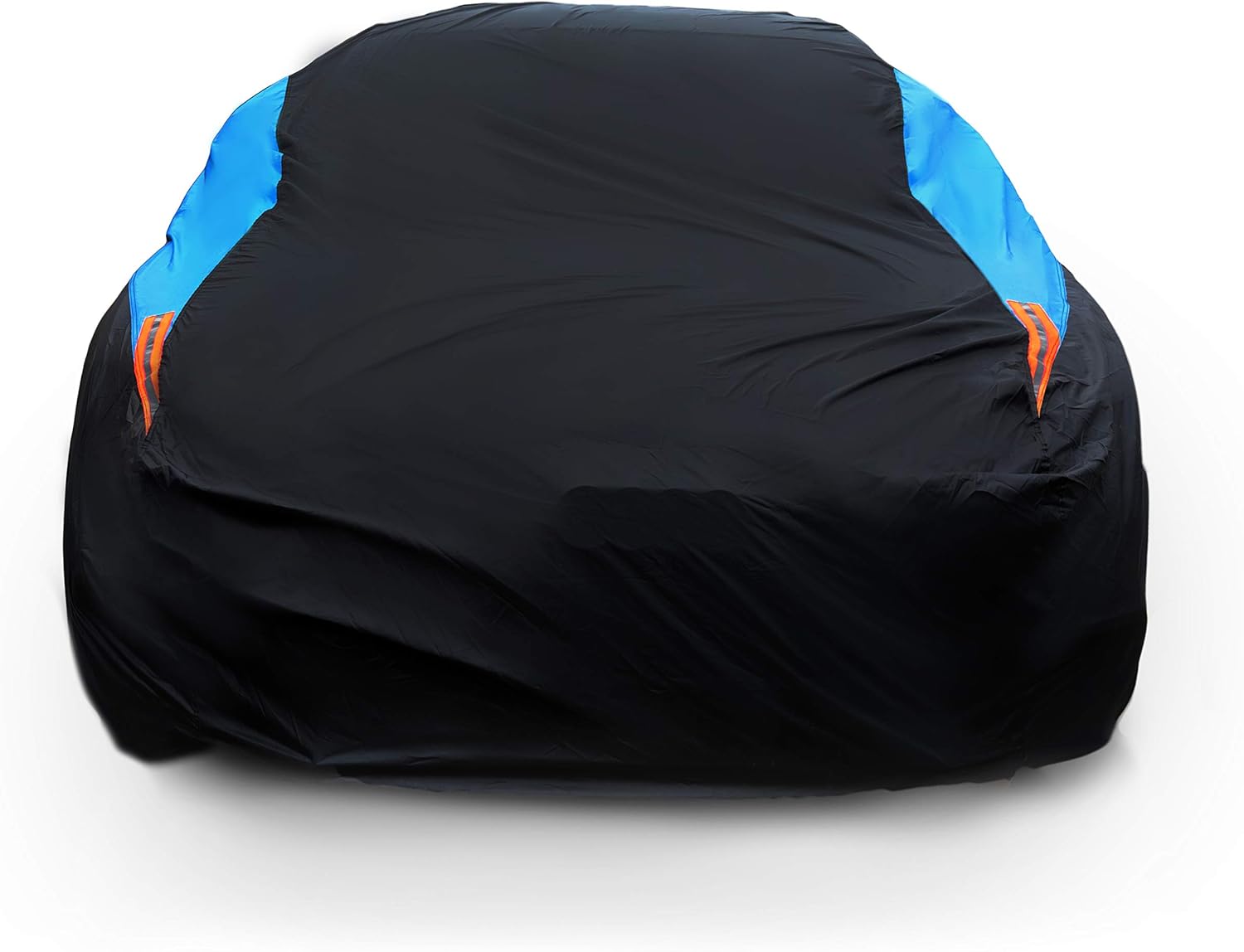
MORNYRAY Waterproof Car Cover All Weather Snowproof UV Protection Windproof Outdoor Full Car Cover
★★★★★ Highly rated on Amazon
A well-reviewed outdoor car cover with UV protection, windproof straps, and water-resistant (not sealed) fabric that reduces the moisture buildup that causes bad smells.
As an Amazon Associate, we earn from qualifying purchases.
Conclusion
A smelly car cover is almost always a moisture problem. Mold and mildew grow when a non-breathable cover traps condensation between the fabric and your car’s surface. Fixing the smell means washing the cover properly, drying it fully, and storing it dry — every single time.
Switching to a breathable, water-resistant cover stops the moisture cycle before it starts. It’s the single most effective change you can make.
One thing to do right now: Pull your car cover off, hold it up, and take a sniff. If it smells musty, lay it flat outside in the sun for 4 hours today. That’s the first step — and it costs you nothing.
Frequently Asked Questions
Why does my car cover smell musty?
A musty smell means mold or mildew has grown on your car cover, almost always due to trapped moisture. This happens when a non-breathable cover is used, when the cover is put on a wet car, or when a damp cover is folded and stored without drying first. Wash the cover, treat moldy spots with diluted white vinegar, and air dry fully in direct sunlight before using again.
Can a car cover cause mold on my car?
Yes — a non-breathable car cover can cause mold to form on the car’s surface, not just on the cover itself. When moisture is trapped between the cover and the paint with no way to escape, it creates the dark, damp environment mold needs to grow. A breathable cover or removing the cover periodically to let the car air out prevents this.
Why does my new car cover smell like chemicals?
A new car cover’s chemical smell is caused by volatile organic compounds (VOCs) off-gassing from the synthetic polyester fabric and waterproof coatings. This is normal and not harmful with brief exposure. Hang the cover outdoors in sunlight for 4 hours before first use. The smell fades by about 20% per week and is usually gone within 3 to 7 days.
How often should I wash my car cover?
Wash your car cover every 1 to 3 months, depending on how dirty your environment is. If you park under trees, near birds, or in a dusty area, wash closer to once a month. Always check the care label before washing — most covers can be hand washed with mild detergent, and many are machine washable on a gentle cold-water cycle.
Should I use a breathable or waterproof car cover?
For daily outdoor parking, a breathable water-resistant cover is better than a fully waterproof one. Breathable covers let moisture and condensation escape, which prevents mold and odors. Fully waterproof covers trap vapor underneath, creating the damp conditions that cause mildew. Only choose a fully sealed waterproof cover for extreme weather or long-term storage situations.
Can I machine wash my car cover?
Many car covers are machine washable, but you must check the care label first. If machine washing is allowed, use cold water, a gentle cycle, and mild detergent without fabric softener — softener degrades waterproof coatings. Avoid hot water and tumble drying unless the label specifically permits it. Always air dry the cover fully before storing.
How do I store my car cover to prevent it from smelling?
Always store your car cover completely dry in a breathable fabric bag — never a sealed plastic bag. Even a slightly damp cover stored in an enclosed bag will develop mildew within 24 to 48 hours. If the cover got wet while on the car, remove it, let both the cover and the car dry fully, then re-cover or store. Keep the storage bag in a cool, dry location away from extreme heat.

Daniel Brooks is an automotive writer and product researcher focused on car accessories, car tech, maintenance, and practical driving guides. At Plug-in Car World, he helps drivers make smarter automotive decisions through honest reviews and research-driven content.