
How to Travel With a Child Car Seat Without Your Own Car
Quick Answer
You can travel with a child car seat without owning a car by using a portable car seat in taxis, rideshares, rental cars, and family vehicles. Choose a restraint appropriate for your child’s height and weight, practice installing it, and confirm transportation arrangements before leaving. Follow the NHTSA child car seat safety guidelines whenever traveling in a passenger vehicle.
Five Practical Travel Options
- Bring your own seat: Use a compatible car seat in taxis, rideshares, or borrowed vehicles.
- Book family transportation: Reserve a service that confirms an appropriate child restraint.
- Rent a car seat: Arrange one through a rental car company or reputable equipment provider.
- Use public transportation: Consider trains and buses while checking their child-restraint requirements.
- Plan airport transfers: Arrange safe transportation both before and after your flight.
Important Safety Reminder
- Never substitute an adult’s lap for a child restraint: A baby carrier, stroller, or adult seat belt cannot replace an appropriate car seat in a passenger vehicle.
Not owning a car shouldn’t mean giving up safe, convenient family travel. The challenge is finding transportation that works with your child’s car seat instead of relying on a permanent installation.
I approach car-seat travel as a complete journey rather than a single ride. The departure, destination, return trip, and storage arrangements all matter.
This guide explains how to choose a portable restraint, use taxis and rideshares, manage airports, and avoid common installation mistakes.
In This Guide
- Why Do You Need a Car Seat Without Owning a Car?
- What Is the Best Car Seat for Families Without a Car?
- How Do You Use a Car Seat in Taxis and Rideshares?
- How Do You Travel With a Car Seat on Public Transportation?
- Can You Rent or Borrow a Child Car Seat?
- How Do You Install a Car Seat Safely in Different Vehicles?
- Frequently Asked Questions
Why Do You Need a Car Seat Without Owning a Car?
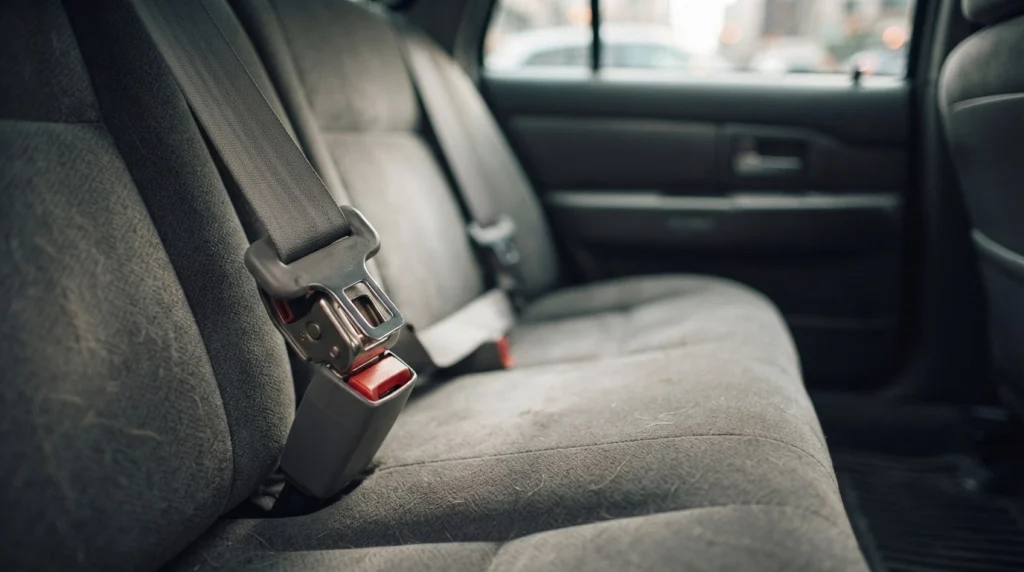
Children need appropriate protection whenever they travel in passenger vehicles, regardless of who owns the vehicle. A taxi or rideshare collision can expose passengers to the same kinds of crash forces as a private-car collision.
A child car seat is a restraint designed to protect a child during vehicle travel. Depending on the child’s size and developmental stage, it may be rear-facing, forward-facing, or a belt-positioning booster.
Does a Child Need a Car Seat in Every Vehicle?
For passenger-car trips, using an appropriate car seat or booster remains the safest approach. Legal requirements vary by location, vehicle classification, and child age.
As of 2026, some jurisdictions provide specific exemptions for licensed taxis. Those exemptions should not be confused with evidence that riding without a restraint is equally safe.
Before booking transportation, consider these questions:
- Does the vehicle legally require a child restraint?
- Does the provider offer one suitable for your child?
- Can you securely install your own restraint?
- Does the rear seating area have compatible seat belts?
- Can the driver accommodate installation time?
Check the laws at your destination, particularly when crossing state or national borders. Rideshare services may follow different rules from licensed taxis.
Why Can’t You Just Hold a Baby During a Short Ride?
An adult cannot reliably restrain a baby with their arms during a collision. Sudden braking and crash forces can overwhelm even a strong grip.
Holding a child while wearing an adult seat belt also creates serious hazards. The belt restrains the adult, not the child.
Do not place the same seat belt around yourself and your child.
Can a Stroller or Baby Carrier Replace a Car Seat?
No. A stroller, soft baby carrier, or ordinary travel harness is not automatically an approved motor-vehicle restraint.
Some infant car seats attach to compatible strollers, creating a travel system. The child still needs the approved car seat properly installed when riding in a vehicle.
This distinction matters when planning trips with a baby. Products designed for walking, carrying, or sleeping should not be assumed suitable for crash protection.
Section Takeaway: Car ownership does not determine your child’s need for protection. Plan for an appropriate restraint whenever a passenger-car journey is involved.
What Is the Best Car Seat for Families Without a Car?
The best car seat for a car-free family fits the child, works in the vehicles they use, and can be installed correctly. Portability matters, but it never takes priority over proper fit and safe installation.
A lightweight design may make daily travel easier. Still, the seat must meet the applicable safety requirements and support your child’s current size.
Which Types of Car Seats Are Easiest to Travel With?
Different restraints suit different stages of childhood. Consider the following comparison before choosing one for frequent transportation changes.
| Car Seat Type | Best Use | Travel Advantage | Main Limitation |
|---|---|---|---|
| Rear-facing infant seat | Babies within manufacturer limits | Often removable with a carrying handle | Outgrown sooner than many convertible seats |
| Convertible car seat | Rear-facing and later forward-facing travel | Supports multiple stages | Often bulky to transport |
| Travel-friendly harnessed seat | Children within its approved harness limits | Some models emphasize lower weight or easier carrying | Installation features and limits vary |
| Belt-positioning booster | Older children who meet booster requirements | Many models are portable | Requires a compatible lap-and-shoulder belt |
A booster is not a substitute for a harnessed seat when a child still needs one. Always follow the restraint manufacturer’s minimum and maximum limits.
What Features Make a Car Seat Travel-Friendly?
For frequent taxi rides, I would prioritize straightforward vehicle-belt installation over features intended for permanent installation. The easier a compatible seat is to install correctly, the more practical it becomes for changing vehicles.
Useful features to evaluate include:
- Manageable weight: Consider how far you must carry the seat between rides.
- Accessible belt path: Check whether you can route and tighten the vehicle seat belt easily.
- Built-in lock-off: Some seats offer an approved belt-locking feature that may simplify installation.
- Clear recline indicator: Helpful for maintaining the correct rear-facing installation angle.
- Compact shell: May help in smaller vehicles, although fit must be checked.
- Readable instructions: Important when installing the restraint in unfamiliar cars.
Do not assume a seat is safe merely because a manufacturer advertises it as lightweight or portable. Check its certification, labeling, and instructions.
Should You Choose an Infant Seat or Convertible Seat?
For babies, a removable infant seat can make errands and transfers more manageable. Many models allow installation without their detachable base, but only when the manufacturer explicitly permits it.
A convertible seat may provide longer use as the child grows. However, transporting the entire restraint between cars can be less convenient.
For a newborn, prioritize the approved rear-facing fit and recline requirements. For an older child, consider the appropriate harness stage and vehicle compatibility.
Are Foldable and Inflatable Car Seats Safe?
Some specialized travel restraints use compact or unconventional designs. Their suitability depends on their certification, manufacturer instructions, child-size limits, and intended vehicle use.
Never assume a foldable seat or inflatable product is approved for road travel. Check the actual restraint label and applicable safety standards before purchasing.
Section Takeaway: Choose a car seat for your child’s current needs first. Then compare weight, carrying convenience, and installation features.
How Do You Use a Car Seat in Taxis and Rideshares?
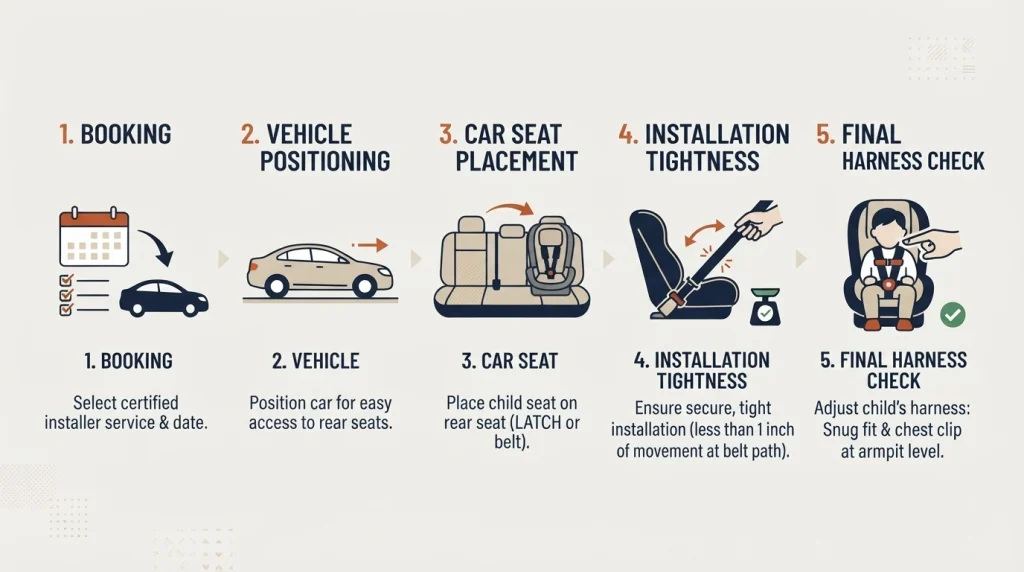
You can use your own compatible child car seat in many taxis and rideshare vehicles. The safest arrangement involves confirming the trip, installing the seat correctly, and securing your child before the vehicle moves.
Can You Bring Your Own Car Seat in a Taxi?
Yes, bringing your own car seat is often a practical option. However, confirm local requirements and the transportation provider’s policies before traveling.
Inform the driver that you need time to install a child restraint. Avoid rushing the process to prevent delays.
Follow this simple sequence:
- Book a vehicle with sufficient passenger and luggage space.
- Tell the service that you will bring a child car seat.
- Position the seat in an approved rear seating location.
- Install it using an approved method from the instruction manuals.
- Check installation tightness and required recline angle.
- Secure your child using the appropriate harness or seat belt.
- Confirm that every passenger is properly restrained before departure.
If a vehicle cannot accommodate the restraint safely, request another vehicle. A completed booking is less important than a correct installation.
Do Uber and Lyft Provide Child Car Seats?
Car-seat availability depends on the service, city, and transportation options offered. Do not assume every driver carries child restraints.
Before using Uber, Lyft, or another provider, verify the current availability of a suitable car-seat service. Ask whether the restraint supports your child’s height and weight.
If the service cannot confirm an appropriate seat, arrange another safe transportation option.
What If the Driver Refuses to Allow Installation?
Do not begin the journey with an improperly restrained child. Explain that the car seat must be installed according to its instructions.
If the driver cannot accommodate the restraint, end or change the booking through the provider’s normal process. Explain the safety concern when contacting customer support.
How Can You Make Short Taxi Trips Easier?
Frequent short trips benefit from consistent preparation. A familiar routine reduces the chance of forgetting an important installation step.
- Keep the car seat manual accessible on your phone.
- Know whether the seat permits baseless installation.
- Practice installing the seat with the vehicle seat belt.
- Choose a carrying method compatible with the manufacturer guidance.
- Allow extra time for pickup and installation.
- Keep small bags separate from installation hardware.
I recommend practicing the complete installation sequence before the first important journey. Learning how the belt locks is much easier without a waiting driver or crowded pickup area.
Pro tip: Review the vehicle’s child-restraint instructions whenever possible, especially when seat-belt locking systems or tether anchors differ from your usual vehicle.
Section Takeaway: Using your own properly fitted car seat is often the most reliable taxi strategy. Confirm the ride and allow enough time for safe installation.
How Do You Travel With a Car Seat on Public Transportation?
Traveling by train, bus, or airplane requires different planning from traveling in a car. Some transportation systems do not provide compatible seating positions or restraints for ordinary child car seats.
Can You Bring a Car Seat on a Bus?
You can often transport a car seat as an item, but using it as an installed child restraint depends on the bus and operator. Many conventional buses lack the vehicle belts or anchorage points required by particular car seats.
Check the transportation provider’s policies before departure.
Important questions include:
- Are child restraints permitted or required?
- Does the vehicle have compatible seat belts?
- Can the restraint be secured without blocking exits?
- Are there special requirements for infants?
- Is the service a city bus, school bus, coach, or smaller passenger van?
These vehicle categories may have different rules. Never improvise a car-seat attachment using luggage straps or unapproved anchor points.
Can You Travel With a Car Seat on a Train?
Many passenger trains do not use standard automobile seat belts. As a result, an ordinary car seat may not be installable as a vehicle restraint.
You can still carry a car seat for transportation after leaving the train. Check baggage policies and available storage space.
Keep the seat secure so it cannot fall, slide, or obstruct an aisle. Follow the train operator’s rules about children, seating, and equipment.
Can You Bring a Child Car Seat on an Airplane?
Yes, many child car seats can be used on airplanes if they have the required aircraft certification. The airline, aircraft seating arrangement, and restraint dimensions also matter.
The Federal Aviation Administration’s child travel guidance strongly recommends approved restraints for young children.
For a car seat manufactured to applicable United States standards, look for the aircraft-use certification statement on the restraint.
Before flying:
- Confirm the seat is approved for aircraft use.
- Check the seat’s width against airline seating information.
- Review the airline’s child-restraint and seating policies.
- Book a separate passenger seat when needed to use the restraint.
- Keep the car seat manual available during boarding.
- Install the restraint according to both airline and manufacturer instructions.
Booster seats are not suitable for use during takeoff, landing, or aircraft ground movement. An aircraft lap belt also does not provide the shoulder belt needed by a conventional vehicle booster.
What Is the Cares Airplane Harness?
The Cares aviation restraint is an approved alternative for certain children who can sit upright independently. Its published size range is 22–44 pounds and up to 40 inches tall.
It is designed for aircraft use, not passenger cars. You still need an appropriate child restraint for taxi rides and airport transfers.
Should You Check a Car Seat as Baggage?
Checking a car seat can reduce what you carry through the airport. However, it also means the restraint is unavailable for use during the flight.
Consider your child’s needs and whether an approved restraint will be used onboard. If checking a seat, use appropriate protective packaging and inspect it afterward.
Always follow the airline’s baggage rules and the car seat manufacturer’s handling guidance.
Section Takeaway: Public transportation rules differ by vehicle type. Plan both the journey and the car travel required at either end.
Can You Rent or Borrow a Child Car Seat?
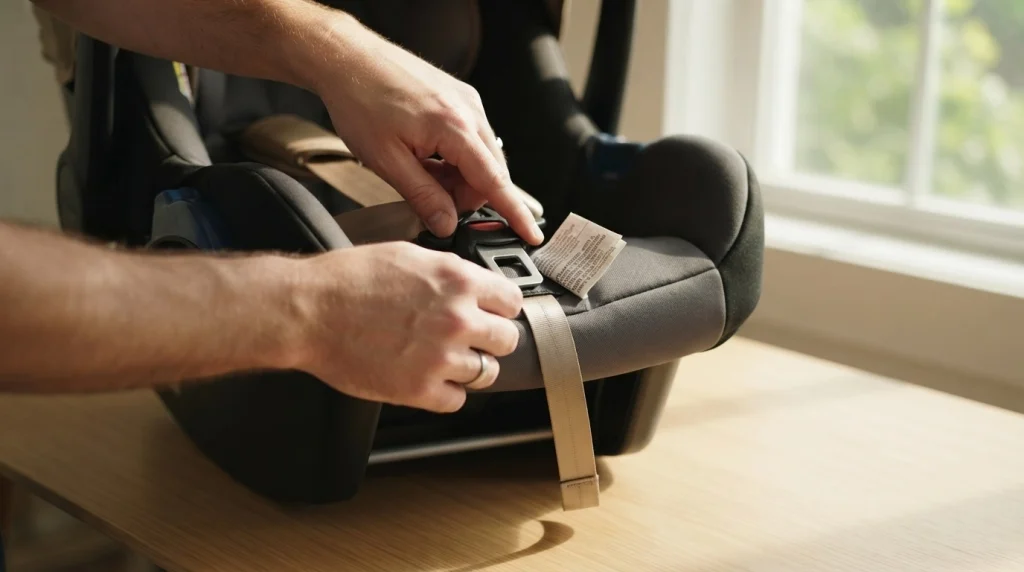
Renting or borrowing a child car seat may be practical when bringing your own is difficult. However, a borrowed or rental restraint must meet the same safety and fit requirements as one you own.
Can Rental Car Companies Provide Child Seats?
Many rental car companies offer child seats, sometimes for an additional charge. Availability, seat type, and reservation policies vary.
The American Academy of Pediatrics’ family travel guidance recommends checking rental seat suitability and condition.
Ask the rental company:
- Which restraint types are available?
- Can the correct size be reserved?
- Will the instruction manual be provided?
- How are seats inspected between rentals?
- What happens if the reserved seat is unavailable?
- Can you decline an unsuitable or damaged seat?
Do not rely solely on a booking confirmation. Inspect the actual seat before using it.
Is It Safe to Borrow a Car Seat From Family?
Borrowing from a trusted family member may be reasonable when the seat’s history is fully known. You must also check its condition, recalls, expiration guidance, and compatibility.
Use the NHTSA used car seat safety checklist before accepting a secondhand restraint.
Verify the following:
- The manufacturer and model are identifiable.
- The manufacture date and service-life guidance are available.
- The seat has no unresolved safety recall.
- Its crash history is known and meets manufacturer requirements.
- All required parts are present and undamaged.
- The harness and buckles function properly.
- The original instructions or approved replacement instructions are available.
If the history cannot be established, choose another restraint. A clean-looking seat does not prove that it remains safe.
Should You Rent a Car Seat at Your Destination?
Destination rentals may help families traveling with limited luggage. Specialized baby-equipment providers sometimes arrange delivery to hotels or vacation properties.
Confirm the seat’s make, model, condition, availability, and rental terms before paying. Ask where and when you can inspect it.
Remember that a destination rental does not automatically solve transportation from the airport. Arrange a compliant and safe airport transfer separately.
How Should You Plan a Trip Without a Family Car?
The easiest journeys have transportation arrangements confirmed before departure. I recommend checking every part of the trip, rather than only the longest ride.
- Identify every passenger-car journey.
- Confirm which restraint your child currently needs.
- Decide whether to bring, borrow, or rent the seat.
- Check compatibility and installation instructions.
- Arrange safe pickup and return transportation.
- Plan storage during sightseeing or other activities.
- Identify an alternative if a reservation falls through.
Storage often causes unexpected difficulties. A heavy car seat may become inconvenient during museum visits, walking tours, or long waits.
Ask your accommodation about secure luggage storage when appropriate.
Section Takeaway: A rental or borrowed seat can work when its safety history, condition, and fit are verified. Plan transfers and storage before traveling.
How Do You Install a Car Seat Safely in Different Vehicles?
Installing a child car seat in an unfamiliar vehicle requires following both the restraint and vehicle instructions. Do not assume that an installation method used in one car works identically in another.
Can You Install a Car Seat Without a Base?
Some rear-facing infant seats support installation without their detachable base. This can be useful for taxis and rideshares.
The car seat’s instructions must explicitly permit this method. Never remove a required base or improvise a different belt route.
For an approved baseless installation, follow the exact belt path and recline guidance provided by the manufacturer.
How Do You Install a Car Seat With a Seat Belt?
A vehicle seat belt can secure many child restraints without using lower anchors. Correct belt routing and locking are essential.
The NHTSA installation instructions explain the key checks for secure installation.
- Read both manuals: Confirm the approved seating position and installation method.
- Position the restraint: Place it on an approved vehicle seat, usually in the rear seating area.
- Route the belt: Follow the designated rear-facing or forward-facing belt path.
- Lock the belt: Use the approved locking mechanism or restraint lock-off as instructed.
- Remove slack: Tighten the installation according to the manual.
- Test movement: Check the restraint at its belt path.
- Check other requirements: Confirm recline angle, tether use, and harness fit.
For a correctly installed harnessed car seat, movement at the belt path should not exceed one inch (approximately 2.5 centimeters) side to side or front to back. Test at the belt path, not at the top of the shell.
Should You Use Seat Belts or Lower Anchors?
Lower anchors are part of the vehicle’s child-restraint anchorage system, often called Latch in the United States. Other markets commonly use related Isofix systems.
Most car seats can be installed using either an approved vehicle seat-belt method or compatible lower anchors. Do not combine both methods unless the restraint and vehicle manufacturers explicitly permit that configuration.
For a forward-facing seat, use the top tether as directed. The tether helps limit forward head movement in a collision.
Never attach a tether to a random metal hook or luggage fitting.
What Installation Mistakes Should You Avoid?
A rushed installation can undermine an otherwise appropriate restraint. Check the following mistakes before each unfamiliar-car journey.
- Loose installation: Excessive movement at the belt path indicates the seat needs correction.
- Wrong belt path: Rear-facing and forward-facing routes can differ.
- Incorrect recline: Rear-facing seats must meet their specified angle requirements.
- Unsecured tether: Forward-facing restraints may require attachment to an approved anchor.
- Twisted harness: Straps should lie flat against the child.
- Loose harness: Tighten according to the manufacturer’s fit guidance.
- Unapproved accessories: Avoid aftermarket padding, strap covers, or inserts unless the restraint manufacturer allows them.
- Airbag exposure: Never place a rear-facing car seat in front of an active frontal airbag.
How Do You Check Harness Fit Before Driving?
For rear-facing harnesses, the shoulder straps generally enter at or below the child’s shoulders. For forward-facing harnesses, they generally enter at or above the shoulders.
Follow the specific seat instructions. Different restraint designs may have additional fit requirements.
In U.S.-style harness systems with a chest clip, position it at armpit level. Tighten the harness until you cannot pinch excess webbing at the shoulder.
Remove bulky coats before securing the harness. They can create hidden slack.
Pro tip: If you cannot achieve a correct installation, consult the manufacturer or a certified child passenger safety technician. Never improvise an installation to make an unsuitable vehicle work.
Section Takeaway: Safe travel depends on repeating the correct installation in every vehicle. A familiar checklist is more valuable than rushing.
Frequently Asked Questions
Can You Travel With a Baby if You Don’t Own a Car?
Yes. You can use a correctly installed infant or convertible car seat in compatible taxis, rideshares, rentals, and family vehicles. You can also use suitable public transportation where available. Plan your journey so the baby has an appropriate restraint whenever traveling in a passenger car.
Do You Need to Buy a Car Seat if You Only Use Taxis?
Not necessarily, but reliable access to an appropriate restraint is important. You may own a portable seat or arrange verified transportation that supplies one. If you use taxis frequently, owning a suitable car seat may give you more control over its condition and availability.
Can a Child Ride in an Uber Without a Car Seat?
Legal requirements differ by jurisdiction and transportation category. Some places offer specific taxi exemptions, while rideshares may be subject to different rules. Even where an exemption exists, an appropriate child restraint remains the safer choice. Confirm local requirements before booking.
Can You Carry a Car Seat While Walking?
Yes, depending on the restraint’s design and weight. Some infant seats have approved carrying handles, while certain travel accessories support transporting empty car seats. Follow manufacturer guidance and never assume that a carrying cart or stroller attachment is approved for transporting an occupied car seat.
Can a Car Seat Be Used in Any Vehicle?
No. Vehicle seating dimensions, belt systems, anchor locations, and car seat designs differ. A restraint must be compatible with the vehicle and installed according to both manuals. A seat that fits one car securely may not work in another.
Can You Take a Booster Seat on an Airplane?
You can often carry a booster as baggage, subject to airline policies. However, conventional belt-positioning boosters are not permitted for use during aircraft ground movement, takeoff, or landing. They require a vehicle lap-and-shoulder belt, while ordinary airplane passenger seats typically have lap belts.
What Is the Safest Way to Travel Without Your Own Car?
Choose transportation where your child can use an appropriate, correctly installed restraint. When possible, bring a familiar seat with a known safety history. Confirm pickup arrangements, vehicle compatibility, and safe transportation at your destination before starting the journey.
Final Takeaway: Safe Car Seat Travel Without Car Ownership
Traveling with a child car seat without your own car is entirely manageable with the right planning. The key is matching your child’s restraint needs to every transportation method you use.
For frequent car trips, a portable seat that you can install correctly may offer the most flexibility. For occasional trips, carefully arranged family transportation or verified rentals may be practical alternatives.
Before your next journey, check the seat’s fit, review its instructions, and confirm transportation at both ends. A few minutes of preparation can make the trip safer and less stressful for everyone.

Daniel Brooks is an automotive writer and product researcher focused on car accessories, car tech, maintenance, and practical driving guides. At Plug-in Car World, he helps drivers make smarter automotive decisions through honest reviews and research-driven content.
