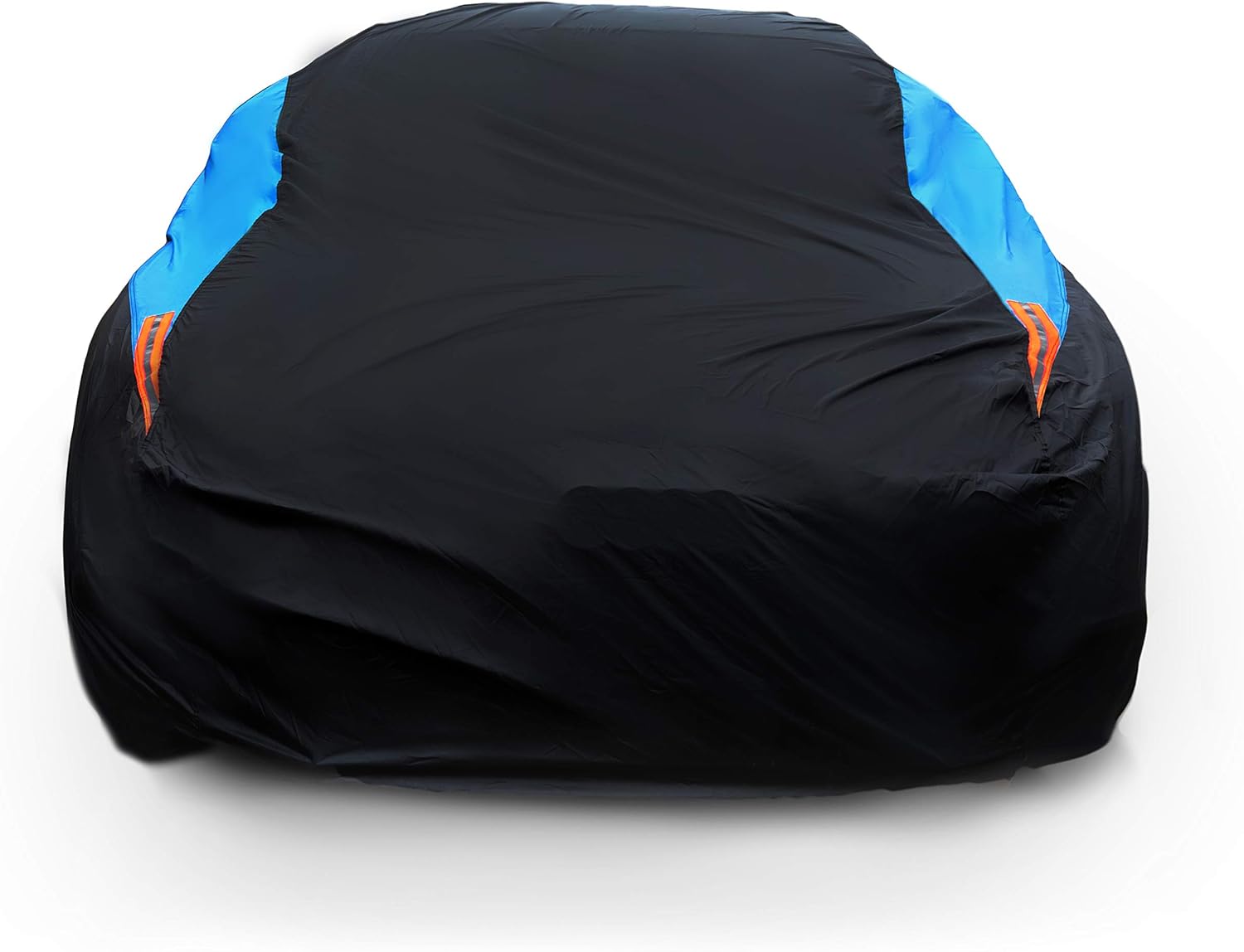
How to Prevent Water Pooling on a Car Cover
You step outside after a night of rain and find your car cover sagging under a pool of water, right over the hood or roof. That weight stretches the fabric, and the standing water can soak through, leaving wet spots and even rust underneath. Daniel Brooks has seen this problem ruin good covers in a single season, and the fix is simpler than most people think.
Water pools on a car cover when the fabric has nowhere to drain. A flat roofline, a loose fit, or no support underneath all create low spots where rain collects instead of running off. Once you understand why it happens, stopping it is mostly about shape, tension, and material choice.
Why Does Water Pool on a Car Cover?
Water pools when the cover sags into a low point and has no slope to drain off of. Flat-roofed vehicles, loose covers, and covers without elastic hems or straps are the most common causes. Fixing the sag, not just the material, solves most pooling problems.
A car cover is essentially a tent without poles. If the fabric isn’t pulled tight and shaped to shed water, gravity pulls it down into a bowl shape over the flattest part of the car. That’s almost always the roof or hood. Once a few ounces of rain collect there, the weight pulls the fabric down further, and the pool gets bigger.
| Cause | Why It Happens |
|---|---|
| Loose or oversized fit | Extra fabric has no tension, so it droops into a basin shape |
| Flat roof or hood | No slope means water has nowhere to run off |
| No straps or tie-downs | Wind and gravity shift the cover into low points over time |
| Worn-out elastic hem | A stretched hem lets the cover ride up and bag in the middle |
How to Stop Water From Pooling on a Car Cover
The fastest fix is to give the cover a slope, using a support pole, a soft prop, or simply pulling the fabric tighter so water runs off instead of collecting. Combine that with a properly sized, breathable cover and the problem mostly disappears.
Steps to Stop Pooling
-
1
Check the fit
A cover that’s too big for the car has slack that sags into low spots.
-
2
Add a support pole or soft prop
A pole under the cover, centered on the roof, creates a slope so rain runs to the sides instead of collecting.
-
3
Use straps or cable locks
Routing a strap under the car and cinching it snug keeps the cover pulled tight and prevents it from shifting into a basin shape.
-
✓
Park nose-down or angled if possible
A slight slope on the driveway helps water run toward the bumper instead of pooling mid-roof.
A support pole is the single most effective fix because it directly removes the flat area where water collects. Owners who use straps routed under the car and cinched snug report it keeps the cover tight enough to limit pooling, since pooled water on top of a cover can act like a magnifying glass in direct sun and discolor the paint underneath. That’s reason enough to treat pooling as more than a cosmetic nuisance.
Does the Type of Cover Material Matter?
Yes. A breathable, water-resistant material sheds rain while still letting moisture escape, which reduces both pooling and condensation underneath. A fully waterproof but non-breathable cover can trap moisture against the paint even if it never pools on top.
Selecting a cover with ventilation ports lets condensation escape while still keeping rain out, and positioning the cover snugly with secure tie-downs reduces the gaps where water can collect. That combination, breathable fabric plus a tight fit, addresses both pooling on the surface and trapped moisture underneath at the same time.
Warning
Never use a plain plastic tarp as a car cover. It won’t allow the car to breathe, which creates the right conditions for rust to form underneath, and it can scratch the paint as it flaps in the wind.
What Most People Get Wrong About Car Cover Pooling
Many owners assume a “waterproof” label means the cover will never let water through. In reality, waterproof and water-resistant are different things: waterproof covers block water entirely, while water-resistant covers only repel it to a point and aren’t built for heavy, sustained rain.
Another common mistake is buying a universal-fit cover instead of one shaped for the specific vehicle. The extra slack in a universal cover is exactly what creates the low spots where water gathers. A snug, vehicle-specific fit removes most of that slack before you even add a support pole.
Some owners also believe a thicker cover automatically performs better in rain. Thickness affects durability and UV resistance more than it affects pooling. Fit and slope control pooling; material weight mostly controls how long the cover lasts.
Frequently Asked Questions
Can I leave my car cover on during heavy rain?
Yes, as long as the cover is rated waterproof and fits snugly. A loose or water-resistant-only cover is more likely to let water through or pool during sustained, heavy rain.
Will pooled water on a car cover damage the paint?
It can. Standing water on the cover can concentrate sunlight like a lens and create heat spots, and if it soaks through, it can leave water spots or contribute to corrosion over time.
Do I need a support pole for every car cover?
Not always. Cars with sloped or curved rooflines often shed water on their own. Flat-roofed vehicles, SUVs, and trucks benefit the most from an added support pole.
How often should I check under the cover after rain?
Check after any heavy rain or once every few days during a wet stretch. Catching trapped moisture early keeps it from sitting against the paint long enough to cause spotting.
What’s the difference between waterproof and water-resistant car covers?
Waterproof covers block water from passing through entirely. Water-resistant covers repel light rain but can let moisture through during heavy or prolonged rainfall.
Can a dirty cover make pooling worse?
Yes. Leaves, dirt, and debris can clog the weave of breathable fabrics and create extra low spots, so a quick brush-off before storms helps water drain evenly.
Is it safe to use bungee cords instead of a fitted strap kit?
Bungee cords work as a budget option and can pull the cover snug, but they stretch over time and need more frequent checking than a dedicated strap or cable kit.
The fix for water pooling on a car cover usually comes down to three things: a snug, properly sized fit, a breathable waterproof fabric, and something underneath, even a simple pool noodle on the antenna or a support pole, to break up the flat spot where water collects. Take five minutes this week to check your current cover’s fit and add a strap or support pole if it’s sagging anywhere.

Daniel Brooks is an automotive writer and product researcher focused on car accessories, car tech, maintenance, and practical driving guides. At Plug-in Car World, he helps drivers make smarter automotive decisions through honest reviews and research-driven content.