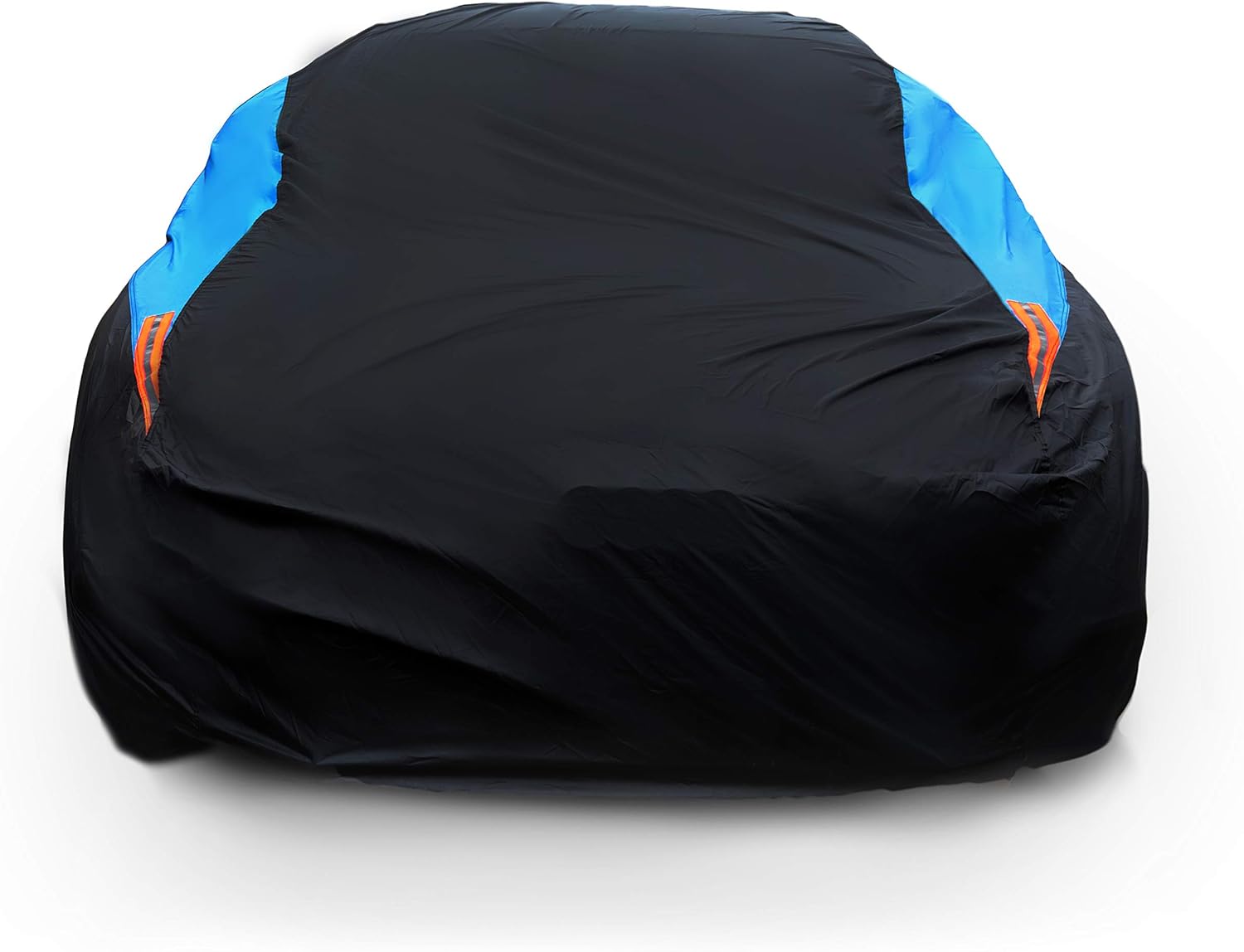
How Long Does a Car Cover Last? (By Material)
⚡ Quick Answer
Most car covers last 3 to 5 years, though this depends heavily on material and where you park. Cheap polypropylene covers can wear out in 1-2 years outdoors, while premium multi-layer covers can last 5-10 years with good care.
Lifespan by material
- Polypropylene: Light and breathable, but usually 1-2 years outdoors.
- Polyester: Better UV resistance, typically 3-5 years.
- Multi-layer/vinyl-blend: Built for daily outdoor use, often 5-10 years.
How to make yours last longer
- ✓Park indoors whenever you can.
- ✓Wash the cover, not just the car.
- ✓Choose a snug, properly sized fit.
Daniel Brooks has watched plenty of car covers fail before their time — usually from sun, not age. A cover left bunched up on a driveway in July rarely makes it past one summer.
That’s the frustrating part. You buy a cover to protect your paint, and within a year it’s cracking, fading, or shredding in the wind. So how long should a car cover actually last, and what makes some covers die early while others go a decade strong?
Here’s what really drives a car cover’s lifespan — and how to stretch yours as far as it’ll go.
📌 Key Takeaways
- →Material matters most. Polypropylene wears out fastest; vinyl and multi-layer blends last longest.
- →UV exposure is the single biggest cause of early failure.
- →Fit and frequency of use change wear rate as much as material does.
- →Regular cleaning can add years to any cover’s working life.
How Long Does a Car Cover Actually Last?
Most car covers last 3 to 5 years with normal outdoor use. That range moves a lot based on material and conditions. A budget cover used daily in harsh sun might not see year two. A quality cover used occasionally, stored properly, and washed now and then can stretch past 10 years.
So what does that mean for you? If your cover is more than 5 years old and showing fading or stiffness, it’s worth a close look — even if it hasn’t torn yet.
What Shortens a Car Cover’s Life?
A handful of factors decide whether your cover dies in one season or lasts a decade. Sun is the biggest one.
📋 Main wear factors
- UV exposure: Non-UV-resistant fabric can break down within 1-2 years in direct sun.
- Rain and humidity: Cheap fabric traps moisture and breeds mildew. Breathable, water-resistant materials hold up better.
- Wind and debris: A loose cover flaps and rubs against paint and itself, wearing thin spots fast.
- Frequency of use: A cover put on and taken off daily wears out faster than one left in place for weeks.
You might be thinking, “I already keep mine in the garage most of the time.” Good — indoor storage alone can roughly double a cover’s working life compared with constant outdoor exposure.
How Do I Know When It’s Time to Replace It?
Don’t wait for a tear. By the time a cover rips, it’s already been failing for months. Watch for these earlier signs instead.
✓ Signs your cover needs replacing
- ✓Fading or chalky residue on the fabric surface
- ✓Stiff or brittle spots that crack when folded
- ✓Loose stitching or worn elastic at the hem
- ✓A musty smell, which usually means mildew has set in
Here’s why that matters: a cracked or mildewed cover can actually scratch or stain your paint instead of protecting it. At that point, it’s doing more harm than good.
What Most People Get Wrong About Car Cover Lifespan
A few myths cause people to throw out a good cover early — or wear out a bad one without realizing why.
⚠️ Common misconception
“A thicker cover always lasts longer.” Thickness helps with abrasion, but UV resistance and breathability matter more for long-term durability than raw bulk.
Another myth: that price guarantees longevity. A mid-range polyester cover, washed regularly and stored indoors, will often outlast an expensive cover left bunched up outside year-round. Care matters as much as cost.
A third one: people assume any cover works for any climate. A cover built for dry heat won’t necessarily handle humid coastal air, and vice versa — material choice should match where you actually park.
How to Make a Car Cover Last Longer
🔢 Step-by-Step: Extending Cover Life
-
1
Wash the car first
Dirt and grit trapped under the cover act like sandpaper against the fabric.
-
2
Get the fit right
A snug, properly sized cover won’t flap in wind or rub against itself.
-
3
Wash the cover itself
Hand wash every few weeks with mild soap to clear grime and prevent mildew.
-
✓
Store it dry
Never fold a damp cover into its bag — that’s the fastest route to mildew.
Frequently Asked Questions
How often should I replace my car cover?
Most owners replace a cover every 3 to 5 years. If you store it indoors and wash it regularly, you can often stretch that to 7-10 years before it needs swapping out.
Do car covers damage paint over time?
A clean, well-fitted cover protects paint. A dirty, loose, or worn cover can trap grit and rub against the surface, causing fine scratches over time. Cleanliness and fit matter more than the cover’s age.
What car cover material lasts the longest?
Multi-layer covers blending polyester with a vinyl or microfiber backing tend to last longest outdoors, often 5-10 years, because they resist UV breakdown better than single-layer fabrics.
Does indoor storage really extend a cover’s lifespan?
Yes. UV rays and weather are the main causes of early cover failure, so a car kept in a garage and covered there will get far more years out of the same cover than one parked outside daily.
Can I wash a car cover in a washing machine?
Check the manufacturer’s tag first. Many covers tolerate a gentle machine cycle with mild detergent, but hand washing is safer for coated or multi-layer fabrics, which can lose their water resistance if agitated too roughly.
Why does my car cover keep blowing off?
Usually it’s a fit issue. A cover that’s too loose catches wind like a sail. Tightening straps, adding a cable lock, or sizing down to a snugger fit solves most blow-off problems.
Is a more expensive car cover always more durable?
Not always. Price often reflects fit precision and extra features, but material quality and how well you maintain the cover affect durability just as much as cost.
A car cover isn’t a one-time purchase — it’s a wearable item, like a jacket for your car. Match the material to your climate, keep it clean, and store it dry, and a good cover can realistically protect your paint for 5 years or more.
One thing to do right now: go check your current cover for fading or stiff spots. If you spot either, start planning a replacement before the next storm season hits.

Daniel Brooks is an automotive writer and product researcher focused on car accessories, car tech, maintenance, and practical driving guides. At Plug-in Car World, he helps drivers make smarter automotive decisions through honest reviews and research-driven content.