
Best Steering Wheel Cover Material: Complete Guide & Comparison
Quick Answer
The best material for a steering wheel cover depends on your climate, driving habits, and personal preference, but genuine leather offers the best all-around balance of durability, grip, and comfort. For extreme climates, microfiber suede provides superior grip and temperature control in hot or cold weather, while neoprene is the top choice for waterproof, budget-friendly everyday protection.
Why Steering Wheel Cover Material Matters
Your steering wheel is the primary physical connection between you and your vehicle. Over time, constant exposure to sunlight, hand oils, and friction can wear down factory steering wheels, leading to cracked leather, peeling polyurethane, or sticky surfaces.
A quality steering wheel cover protects the underlying wheel while improving your driving experience. The right material changes how the wheel feels in your hands, how securely you can grip it, and how well it handles extreme cabin temperatures.
Different materials excel in different environments. A material that feels luxurious in mild weather might become burning hot in direct summer sunlight or freezing cold during winter mornings.
Comparing the Top Steering Wheel Cover Materials
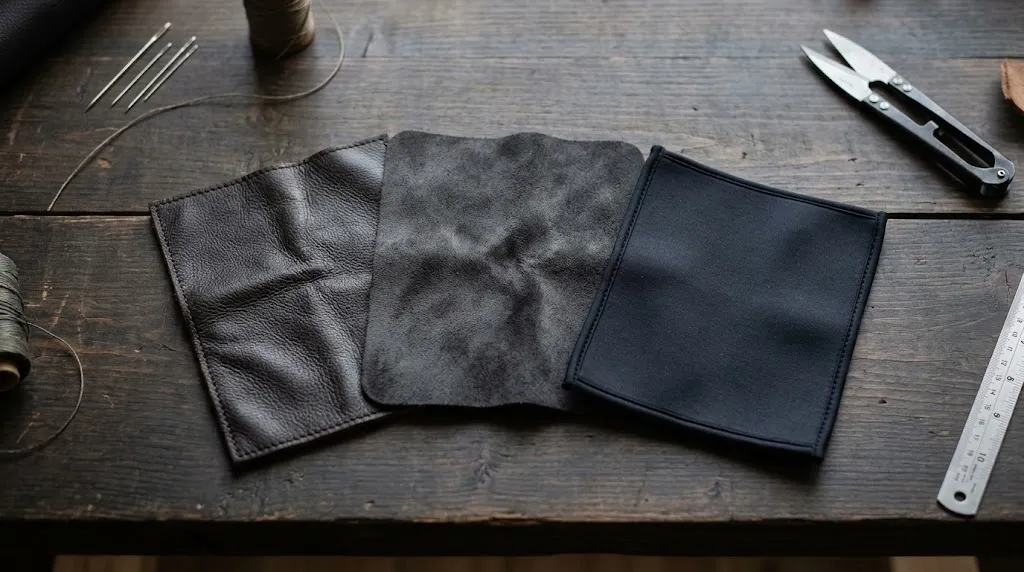
To choose the right cover, it helps to understand how the most common materials compare across key performance factors such as grip, durability, temperature regulation, and maintenance.
| Material | Best For | Grip Level | Durability | Temperature Control |
|---|---|---|---|---|
| Genuine Leather | All-around use, premium feel | Moderate to High | Excellent | Good (adapts well) |
| Microfiber Suede | Sport driving, cold/hot climates | High | Good | Excellent |
| Neoprene | Budget, waterproof protection | High | Good | Moderate |
| PU Leather / Faux Leather | Affordable leather look | Moderate | Fair | Moderate |
| Wood Grain / Silicone | Aesthetics or maximum grip | Varies (Low to Very High) | Fair to Good | Poor to Moderate |
Reviewing these characteristics helps narrow down which category fits your daily driving environment.
Genuine Leather: The Gold Standard for Longevity and Feel
Genuine leather remains the top choice for drivers who prioritize long-term durability and a classic aesthetic. High-grade cowhide molds to your hands over time and provides a smooth, professional finish that matches factory steering wheels.
The primary advantage of leather is its balance. It breathes reasonably well, preventing excessive palm sweating during long trips, and maintains a neutral temperature better than synthetic alternatives. However, genuine leather covers often require a lace-on installation method rather than a simple slip-on design, meaning they take more time and effort to install correctly.
Tip
If you choose a genuine leather cover, apply a mild leather conditioner every few months to prevent drying and cracking, especially if your car sits in direct sunlight.
Microfiber Suede: Best for Extreme Grip and Comfort
Microfiber suede and Alcantara-style materials have become increasingly popular due to their exceptional tactile feedback. Originally popularized in motorsport racing, suede provides a secure, non-slip grip that prevents hands from sliding, even during spirited driving or sweaty conditions.
Unlike smooth leather or hard plastic, microfiber suede does not feel ice-cold on winter mornings or scorching hot on summer afternoons. The dense synthetic fibers create an insulating barrier that regulates surface temperature effectively.
The drawback to microfiber suede is maintenance. It absorbs oils and moisture more readily than smooth materials, requiring occasional gentle cleaning with a specialized cleaner and a soft brush to prevent matting.
Neoprene: The Practical Choice for All-Weather Protection
Neoprene is the same synthetic rubber material used in wetsuits. For everyday commuters looking for a soft, cushioned grip and easy maintenance, neoprene is an exceptionally practical option.
Neoprene covers are usually slip-on designs, making them easy to install and remove for cleaning. The material is naturally waterproof and resistant to sweat, making it ideal for drivers who live in wet climates or work in trades where hands may get dirty.
While neoprene provides great cushion and secure grip, it lacks the premium look of leather and can trap heat if left parked under intense summer sunlight for extended periods.
Warning
Avoid loose-fitting slip-on covers that rotate independently around the steering wheel. A shifting cover creates a serious safety hazard by reducing your steering control during sudden maneuvers.
How to Choose Based on Your Driving Climate

Your local climate should heavily influence your material selection. Matching the material to your seasonal temperature extremes prevents discomfort and ensures safety.
For Hot and Sunny Climates
If your vehicle frequently bakes in high temperatures, avoid shiny PU leather or thin vinyl covers, which absorb heat rapidly and can become too hot to touch. Instead, choose breathable materials like perforated leather, cotton-blend mesh, or light-colored neoprene that resist extreme heat buildup.
For Cold Winter Climates
In freezing conditions, steering wheels made of hard plastic or metal trim can cause hand stiffness. Microfiber suede and thick padded leather offer superior thermal insulation, keeping the contact surface comfortable before the vehicle’s heater warms up.
Installation Styles: Slip-On vs. Laced
Material performance is closely tied to how the cover is attached to the steering wheel.
- Slip-on covers: Fast to install and remove, held in place by an inner rubber or silicone core. Ideal for neoprene, faux leather, and casual fabric covers.
- Lace-on covers: Custom-fitted pieces that require sewing or lacing the edges together around the rim using an included needle and thread. Common for genuine leather and high-end suede, offering a seamless, OEM-like finish that never slips.
Related Product
Leather Steering Wheel Cover Kits
A lace-on genuine leather or microfiber wrap provides a tight, professional fit that enhances grip without slipping.
As an Amazon Associate, we earn from qualifying purchases.
Frequently Asked Questions
Are steering wheel covers safe to use?
Yes, provided they fit snugly and do not slip around the wheel rim during turns. Always measure your steering wheel diameter before purchasing to ensure a tight, secure fit.
Which material lasts the longest?
Genuine leather generally offers the longest lifespan, often lasting several years with minimal maintenance before showing signs of wear.
Can steering wheel covers damage your original wheel?
Cheap rubber-backed covers left in high heat can occasionally leave residue or discoloration on factory leather wheels. Choosing a quality breathable liner prevents this issue.
How do I know what size cover to buy?
Most standard passenger vehicles use a 14.5 to 15.5-inch steering wheel. Measure the diameter of your wheel across the center from edge to edge to confirm the exact size.
Is microfiber suede difficult to clean?
It requires slightly more care than smooth vinyl or leather. Light brushing and occasional spot cleaning with a specialized fabric cleaner keep it looking new.
Do slip-on covers stretch out over time?
Lower-quality synthetic rubber linings can lose elasticity after a few years, causing the cover to slip. High-quality covers use reinforced interior rubber grips to prevent movement.
Conclusion
Choosing the best steering wheel cover material comes down to matching your local climate and personal preference. Genuine leather delivers unmatched durability and a professional finish, microfiber suede provides exceptional grip and temperature control, and neoprene offers practical, waterproof comfort. Prioritizing a secure fit ensures your steering wheel remains comfortable and safe in every driving condition.

Daniel Brooks is an automotive writer and product researcher focused on car accessories, car tech, maintenance, and practical driving guides. At Plug-in Car World, he helps drivers make smarter automotive decisions through honest reviews and research-driven content.
