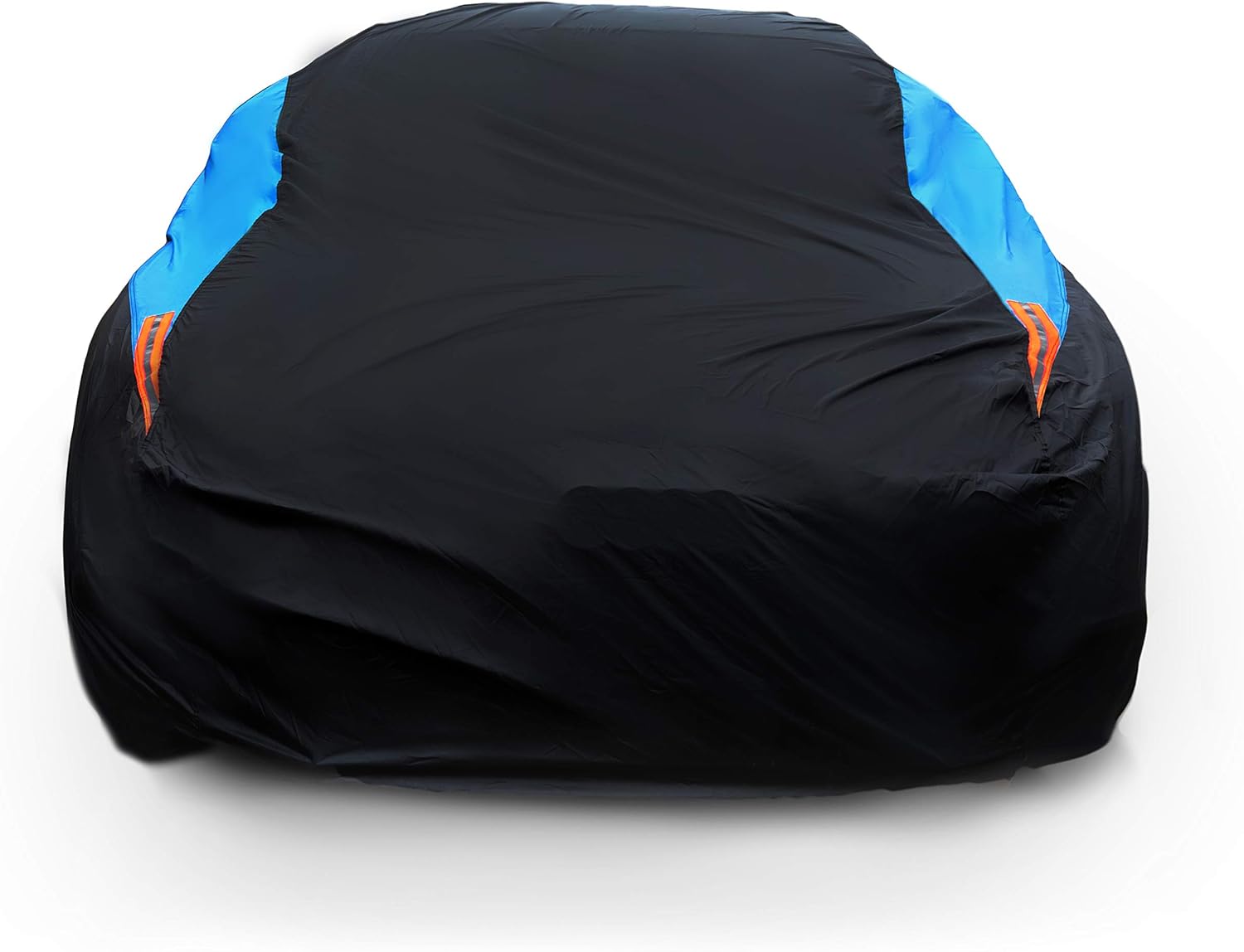
How to Get Rid of Mildew on a Car Cover (Fast Fix)
⚡ Quick Answer
You can remove mildew from a car cover with a vinegar-water soak, a scrub brush, and full air-drying. Most stains lift in under an hour. If the cover is heavily stained, a dedicated mildew stain remover works faster and needs less scrubbing.
Steps to remove mildew fast
-
1
Shake off loose dirt and lay the cover flat. -
2
Soak stains in a vinegar-water mix for 20 minutes. -
3
Scrub gently, rinse well, and dry fully before storing.
Mistakes that make mildew worse
-
✓
Storing the cover while it’s still damp -
✓
Using straight bleach on colored fabric -
✓
Skipping a full rinse, which leaves soap residue
You pull the cover off your car and catch that musty, damp-basement smell before you even see the gray-green blotches spreading across the fabric. Daniel Brooks here, and if this sounds familiar, you’re not alone.
Mildew loves a car cover. It’s dark underneath, moisture gets trapped against the paint, and the fabric rarely dries all the way between uses. The good news: you don’t need to replace the cover.
Below, I’ll walk you through the exact cleaning steps, the products that actually work, and how to stop mildew from coming back next month.
📌 Key Takeaways
-
→
Moisture, not dirt, is the actual cause of mildew on car covers. -
→
White vinegar kills most surface mildew without harming fabric. -
→
Bleach can damage stitching and strip color from cover fabric. -
→
Complete air-drying before storage stops mildew from returning.
What Causes Mildew on a Car Cover?
Mildew forms when moisture gets trapped against fabric in a dark, still space. That’s exactly what happens under a car cover.
Rain, dew, or condensation soaks into the fabric. Then the cover sits closed up, with almost no airflow underneath. So what does this mean for you? If you ever put the cover on while it was still wet, mildew was already forming within a day or two.
But here’s the thing. Some fabrics trap moisture worse than others. Cotton and cheap polyester blends breathe poorly and hold dampness far longer than a true breathable, weatherproof cover.
Here’s how common car cover fabrics compare for mildew resistance.
If your cover falls into the low-breathability row, expect to clean it more often.
Mildew is gray or white and sits mostly on the surface. Mold is darker, fuzzier, and digs deeper into the fibers. Most car cover growth starts as mildew, so catching it early makes cleanup much easier.
How to Remove Mildew From a Car Cover
Removing mildew takes three basic phases: soak, scrub, and dry. Skip drying and the mildew simply comes back within days.
You don’t need harsh chemicals for most cases. So what does this mean for you? A simple household solution handles the majority of car cover mildew without damaging the fabric.
🔢 Step-by-Step: Cleaning Mildew Off a Car Cover
-
1
Remove the cover and shake it out
Take it off the car and shake off loose dirt, leaves, and dry spores outdoors.
-
2
Lay it flat on a clean surface
Use a driveway, patio, or large tarp so both sides are accessible.
-
3
Mix a 1:1 white vinegar and water solution
Pour it into a spray bottle for easy, even coverage on stains.
-
4
Soak the mildew spots for 15-20 minutes
Let the acid in the vinegar break down the mildew before scrubbing.
-
5
Scrub with a soft brush
Work in small circles. Avoid stiff bristles that can wear down coated fabric.
-
✓
Rinse thoroughly and hang to dry
The cover is ready to store once it’s completely dry, inside and out.
⚠️ Warning
Skip straight bleach. It can strip color, weaken stitching, and won’t fully kill mildew roots in fabric.
You might be thinking a stronger chemical would work faster. Here’s why that’s not always true: bleach only bleaches the stain white. It doesn’t kill the mildew embedded in the fibers, so it often returns within weeks.
Best Products for Stubborn Mildew Stains
For light mildew, vinegar handles it. For set-in gray or black stains, a dedicated stain remover saves time and effort.
Look for a formula made for outdoor fabrics. So if you’re dealing with a stain that won’t budge after scrubbing, this is your next move.
Recommended Product
Star brite 54432 Mildew Stain Remover Spray, 32 oz.
★★★★☆ 4.3 out of 5 stars on Amazon (2,403 ratings)
This buffered formula is built for outdoor acrylic fabrics, so it lifts stains from car cover material without harming stitching or color.
As an Amazon Associate, we earn from qualifying purchases.
Spray it directly on the stain, wait for it to fade, then rinse well with clean water. That’s it. No heavy scrubbing needed for most spots.
How to Dry and Store a Car Cover the Right Way
Drying matters as much as cleaning. A damp cover folded into a bag is a mildew colony waiting to happen.
Hang the cover over a fence, railing, or two sawhorses so air moves on both sides. Avoid direct, intense sun for hours at a time, since UV rays can weaken some fabrics over time.
📋 Storage Checklist
-
Touch test: The fabric should feel completely dry, not just cool. -
Breathable bag: Store in a cotton or mesh bag, not sealed plastic. -
Dry space: Keep it in a closet or shelf, away from a damp garage floor.
What Most People Get Wrong About Mildew on Car Covers
Most people reach for bleach first. As we covered above, it fades the stain but leaves the mildew’s roots behind in the fabric.
Another common mistake: storing the cover the moment it stops feeling wet on top. The good news is that a few extra hours of air-drying prevents the whole problem from repeating.
Some owners also assume a musty smell means the cover is ruined. That’s rarely true. Cleaning and full drying restores most covers to normal.
How to Stop Mildew From Coming Back
Prevention beats cleaning every time. Once your cover is spotless, a few habits keep it that way.
24-48
hours max before wet items should be fully dried
2-3
hours to dry a damp spot with a fan on it
✅ Tip
Never cover a car that’s still wet from rain or a wash. Let it air-dry for 30 minutes first.
That’s not all. If you live somewhere humid, spray the underside of the cover with the vinegar solution once a month as routine maintenance. It’s a small habit that saves a big cleanup later.
Final Thoughts
Mildew on a car cover looks worse than it usually is. Vinegar, a soft brush, and full drying solve most cases in one afternoon.
The real key is keeping the cover completely dry before it goes back into storage. That single habit prevents most repeat problems.
One thing to do right now: Check your stored car cover today. If it feels even slightly damp, pull it out and let it air-dry for an hour before you use it again.
Frequently Asked Questions
What causes mildew to grow on a car cover?
Mildew grows when moisture from rain, dew, or washing gets trapped against the fabric in a dark, still space. Poor-breathability fabrics and covering a still-wet car make it worse.
Can I use bleach to remove mildew from a car cover?
You can, but it’s not the best choice. Bleach fades the visible stain but often leaves mildew roots in the fabric, and it can weaken stitching and strip color over time.
Does vinegar really remove mildew from a car cover?
Yes. White vinegar’s acidity breaks down mildew on contact and is safe for most car cover fabrics. Soak for 15-20 minutes, then scrub gently and rinse well.
Can I machine wash a car cover with mildew?
Only if the care label allows it. Many covers require hand washing to protect coatings and seams. Check the label before machine washing, and always air dry afterward.
What’s the difference between mold and mildew on a car cover?
Mildew is gray or white and sits mostly on the fabric surface. Mold is darker, fuzzier, and grows deeper into the fibers, making it harder to fully remove.
How often should I clean my car cover?
Wash it every one to two months during regular use, and inspect it for damp spots each time you take it off. Humid climates need more frequent checks.
Will mildew on my car cover damage the paint underneath?
Mildew itself mainly affects the cover fabric, but trapped moisture underneath can contribute to water spots or paint issues over time. Clean and dry the cover promptly to avoid this.
Internal links: The plugincarworld.com sitemap URLs (sitemap_index.xml and post-sitemap.xml) returned a 404 error when checked, so no internal links could be sourced automatically. Please add relevant internal links (e.g., to car cover storage or car cover material guides) manually in the editor.

Daniel Brooks is an automotive writer and product researcher focused on car accessories, car tech, maintenance, and practical driving guides. At Plug-in Car World, he helps drivers make smarter automotive decisions through honest reviews and research-driven content.