
Do Steering Wheel Covers Get Too Hot in Summer or Too Cold in Winter?
Quick Answer
Yes, steering wheel covers can become uncomfortably hot in summer or feel painfully cold in winter, depending on their material, thickness, and the temperature inside your parked car. Leather, synthetic leather, rubber, silicone, and plush covers all respond differently to heat and cold, but none can guarantee a comfortable temperature in every condition. For safer driving, let the cabin cool down or warm up before gripping the wheel firmly, and consult your vehicle’s official safety and recall information when checking vehicle-related safety concerns.
What affects steering wheel temperature?
- Direct sunlight: A parked car can trap heat, making the steering wheel and its cover uncomfortable to touch.
- Cover material: Dark synthetic leather, rubber, and silicone can feel hot, while fleece and plush materials may retain warmth in winter.
- Cold exposure: Covers left in freezing conditions can become stiff or feel cold until they warm up.
- Cover thickness: Thick padding may reduce direct contact with the original wheel but can also retain heat or change grip.
- Vehicle features: A heated steering wheel, air conditioning, and remote climate control can influence comfort.
How can you stay comfortable?
- Choose a breathable, appropriately fitted cover suited to your local climate.
- Park in shade when possible and use a windshield sunshade in summer.
- Allow the wheel to reach a comfortable temperature before driving; never use a slippery or loose cover.
Steering wheel covers can make driving more comfortable, improve grip, and protect worn surfaces, but seasonal temperatures can change how they feel. Choosing the right material matters, especially if your car spends hours parked outdoors.
In this guide, I’ll explain how different cover materials behave in hot and cold weather, which options work best for different climates, and how to maintain a secure grip throughout the year.
In This Guide
- Why do steering wheel covers get hot or cold?
- Which steering wheel cover materials work best in extreme temperatures?
- How can you keep a steering wheel cover cool in summer?
- How can you keep a steering wheel cover comfortable in winter?
- How do you choose a cover for your climate?
- How do you maintain a steering wheel cover safely?
- Frequently asked questions
Why Do Steering Wheel Covers Get Hot or Cold?

A steering wheel cover is a removable or fitted layer of material that surrounds the steering wheel’s rim to change its feel, improve comfort, or protect the original surface. Its temperature depends on the surrounding air, sunlight, material properties, and how long the vehicle remains exposed.
Why does a steering wheel cover get so hot in summer?
Sunlight heats the dashboard and steering wheel through the windshield, while the closed cabin traps much of that heat. The cover absorbs heat from sunlight and from the underlying wheel, so its surface can become uncomfortable even when the outside air feels manageable.
Dark colors often absorb more incoming sunlight than lighter colors under similar conditions. However, color alone doesn’t determine how hot a cover becomes because material, surface finish, airflow, and exposure also matter.
Three conditions commonly increase summer discomfort:
- Direct sun exposure: A car parked in an uncovered lot receives more sunlight than one parked in shade.
- Dark, heat-absorbing surfaces: Black or dark-colored covers may become especially uncomfortable under strong sunlight.
- Limited ventilation: A closed vehicle can retain heat, warming both the original wheel and its cover.
Why does a steering wheel cover feel cold in winter?
A steering wheel cover loses heat to its surroundings when the car sits in cold weather. Materials with low thermal conductivity may feel less immediately cold than metal or some smooth surfaces, but the cover still eventually approaches the surrounding temperature.
Some covers also become less flexible in low temperatures, depending on their material and construction. This can affect how the cover feels in your hands, particularly when the material is stiff or the padding is thin.
Plush fabric and fleece may feel warmer because they provide a soft surface and trap air within their fibers. They don’t generate heat, though, and they won’t keep your hands warm indefinitely in a freezing cabin.
Does a cover prevent temperature changes?
No. A cover changes the surface you touch, but it doesn’t eliminate heat transfer or control the cabin’s temperature.
A thick cover may slow the transfer of heat in either direction, depending on its construction. It can also retain warmth, so insulation that helps in winter may feel less pleasant in a hot vehicle.
Section Takeaway: A steering wheel cover can change how hot or cold the rim feels, but it cannot guarantee a comfortable temperature in extreme weather.
Which Steering Wheel Cover Materials Work Best in Extreme Temperatures?
The best material depends on your climate, preferred grip, and how long your car sits outdoors. Leather, microfiber, silicone, rubber, and plush fabric each offer different advantages, and no single material performs best in every season.
Leather and synthetic leather
Genuine leather offers a familiar automotive feel and can develop a comfortable grip when properly maintained. However, it can become hot in direct sunlight and cold during winter exposure, especially before the cabin warms up.
PU leather and other synthetic leather covers can provide a similar appearance at different price points. Their surface coatings, backing materials, and thickness affect comfort, so check the manufacturer’s care instructions instead of assuming every synthetic cover behaves alike.
Rubber and silicone
Rubber and silicone covers often provide a textured, easy-to-clean surface. Their grip characteristics can be useful for everyday driving, but direct sunlight may heat them significantly, and some formulations become less flexible in cold weather.
Look for a product designed specifically for steering wheels, with a secure fit and a surface that remains comfortable in your expected temperatures. Avoid covers that become tacky, brittle, cracked, or slippery with age.
Microfiber, suede, and plush fabric
Microfiber and suede-style covers can offer a soft, controlled feel, although their performance depends on the weave, backing, and finish. Plush and fleece covers feel cozy in winter, but thick fibers can retain warmth in summer and may become uncomfortable in humid conditions.
Suede-style surfaces also need more careful cleaning than many smooth covers. Dirt, body oils, and moisture can change the texture and reduce the consistent feel you want from the steering wheel.
Material comparison at a glance
| Material | Summer behavior | Winter behavior | Best suited for |
|---|---|---|---|
| Genuine leather | Can heat up in sunlight | Can feel cold initially | Drivers wanting a traditional finish |
| PU leather | May become hot under direct sun | Surface may feel cold | Drivers seeking a leather-like appearance |
| Rubber or silicone | Can become hot; texture matters | May stiffen, depending on formulation | Drivers prioritizing easy cleaning and texture |
| Microfiber or suede-style | Depends on weave and backing | Often feels softer than a hard surface | Drivers wanting a soft, tactile grip |
| Plush fabric or fleece | May retain heat and feel warm | Feels cozy but doesn’t produce heat | Cold-weather comfort when grip remains secure |
These are general material tendencies, not measured temperature rankings. Actual results vary with construction, color, sunlight, cabin temperature, and the specific product.
Section Takeaway: For year-round use, prioritize a secure, comfortable surface over claims that a material will stay cool or warm in every condition.
How Can You Keep a Steering Wheel Cover Cool in Summer?
You can reduce summer discomfort by limiting sunlight exposure, allowing the cabin to cool, and selecting a cover with a suitable color and surface. These steps address the source of the heat rather than relying on the cover alone.
Use shade and a windshield sunshade
Whenever possible, park in a garage, under a canopy, or in a shaded area. A reflective windshield sunshade can reduce solar heating inside the cabin when you park outdoors.
A sunshade won’t keep every surface cool, especially during prolonged exposure. Still, reducing direct sunlight can make the steering wheel more comfortable when you return.
Choose a lighter color and comfortable texture
A light-colored cover may absorb less sunlight than a dark cover under otherwise similar conditions. Beige, gray, and other lighter shades can be practical choices for vehicles parked outside in sunny climates.
Don’t choose a cover by color alone. Check its texture, thickness, heat-care guidance, and fit, because a pale cover with an unsuitable surface can still become uncomfortable.
Cool the cabin before driving
Start the vehicle and use its climate-control system according to the owner’s manual. If your car supports remote climate control, use it as directed by the manufacturer before entering.
Never touch a painfully hot surface repeatedly to test whether it’s ready. Allow the wheel to cool, and avoid improvised treatments that could damage the cover or leave a slippery residue.
For a practical summer routine, follow these steps:
- Use a windshield sunshade whenever you park in direct sunlight.
- Choose covered parking when available.
- Allow the cabin to cool before setting off.
- Inspect the cover for sticky patches, peeling, or damage caused by heat.
- Clean the material using its approved method rather than an unverified chemical treatment.
Can a steering wheel cover protect your hands from burns?
A cover may change how heat transfers to your hands, but it isn’t a reliable burn-prevention device. A cover exposed to prolonged sunlight can itself become hot enough to cause discomfort or injury.
If the wheel is too hot to hold comfortably, wait until it cools. Don’t rely on gloves or an insulating cover to make an excessively hot steering wheel safe to handle.
Section Takeaway: Shade, a sunshade, and sensible cabin cooling usually provide more dependable relief than changing the cover alone.
How Can You Keep a Steering Wheel Cover Comfortable in Winter?
In winter, a soft cover can make the steering wheel feel more comfortable, but the best choice depends on how cold your car gets and how firmly you need to grip the rim. Warming the cabin and selecting a suitable material are more effective than expecting insulation to create heat.
Choose a cover that feels comfortable in cold weather
Fleece and plush covers can feel warmer against bare hands because their fibers trap air and provide a softer contact surface. They may suit drivers in cold climates, provided the cover fits tightly and doesn’t interfere with steering control.
Leather and synthetic leather offer a smoother feel but can seem cold when you first enter the car. Once the cabin warms, the surface generally becomes more comfortable to touch.
Use the vehicle’s heating features correctly
If your vehicle has a factory-installed heated steering wheel, follow the manufacturer’s instructions for its operation. A heated wheel warms the steering wheel itself, while a conventional cover merely changes the contact surface.
Don’t assume an ordinary cover is suitable for a heated steering wheel. An incompatible cover may alter heat transfer, and the manufacturer may restrict cover use entirely.
Pro tip: Check your owner’s manual for heated steering wheel restrictions before installing any aftermarket cover, particularly on vehicles with integrated heating elements or sensitive surface materials.
What if the cover becomes stiff in freezing weather?
Some synthetic materials become less flexible when temperatures fall, while others tolerate cold better. If the cover feels unusually hard, cracked, brittle, or loose, inspect it before driving.
Don’t force a stiff cover into place or attempt to soften it with boiling water, an open flame, or an unapproved heater. Follow the manufacturer’s installation and care instructions instead.
Can a thick cover keep your hands warm?
A thicker cover can provide some insulation from the cold rim, but it doesn’t actively warm your hands. Excessive thickness can also make the steering wheel harder to grip or change how precisely you can control it.
For cold-weather driving, look for a cover that combines a comfortable surface with a snug fit and a manageable diameter. You should be able to hold the rim naturally without adjusting your driving position.
Section Takeaway: A soft cover may improve winter comfort, but proper cabin heating and an unobstructed, secure grip remain essential.
How Do You Choose a Steering Wheel Cover for Your Climate?
The right steering wheel cover should match your local weather, your vehicle’s original wheel, and your everyday driving needs. A product marketed as a summer or winter cover isn’t automatically suitable for every vehicle or temperature range.
Check your steering wheel size and fit
Most covers are designed for a particular steering wheel diameter and rim thickness. Measure according to the cover manufacturer’s instructions and compare the result with the listed compatibility range before buying.
A cover that’s too large may rotate or slip, while one that’s too small may be difficult to install or place excessive stress on its seams. Either problem can compromise steering control.
Match the material to your driving conditions
- Hot, sunny climates: Consider lighter colors and a surface that remains comfortable to grip, along with regular use of a windshield sunshade.
- Cold climates: Consider soft fabric or a suitable leather-style cover, provided the material tolerates local temperatures.
- Hot and humid conditions: Look for a breathable, easy-to-clean surface that doesn’t become unpleasant when your hands sweat.
- Year-round commuting: Prioritize durable materials, easy maintenance, secure fitment, and a grip that feels consistent across seasons.
Compare comfort, durability, and price
Cover prices vary by brand, construction, material, and design. Rather than assuming the most expensive option handles temperatures best, compare the product’s stated temperature limitations, cleaning requirements, fit, and warranty.
Before buying, check the following:
- The manufacturer’s recommended steering wheel diameter and compatible rim dimensions.
- Material composition and care instructions.
- Whether the product is suitable for heated steering wheels, if applicable.
- Whether seams, decorative elements, or thick padding interfere with a comfortable grip.
- Customer support and warranty terms for cracking, peeling, or other material defects.
Should you choose a cover or keep the original steering wheel?
If the original steering wheel is comfortable and in good condition, you may not need a cover at all. Keeping the factory surface can avoid added thickness, fitment concerns, and possible incompatibility with heated-wheel features.
If the rim is worn, damaged, or uncomfortable, a properly fitted cover may be a useful option. Choose one that preserves predictable steering control rather than one selected purely for appearance.
Section Takeaway: Buy for fit, grip, material quality, and vehicle compatibility first; treat seasonal comfort claims as secondary considerations.
How Do You Maintain a Steering Wheel Cover Safely?
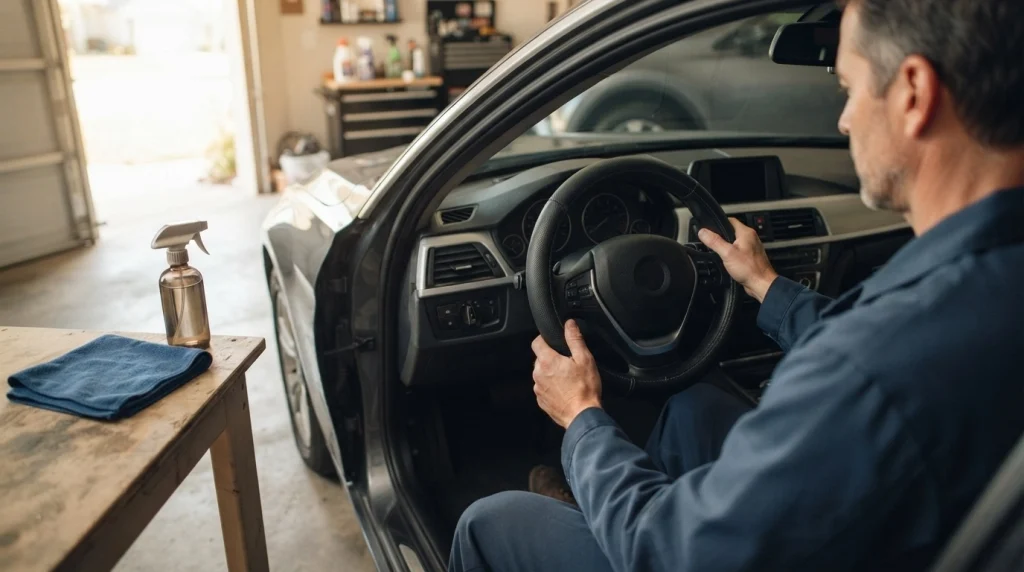
Regular inspection and suitable cleaning help preserve a cover’s grip and material condition. Heat, cold, moisture, skin oils, and repeated handling can all affect its surface over time.
Clean the cover according to its material
Always follow the manufacturer’s cleaning instructions because leather, synthetic leather, rubber, and fabric respond differently to cleaners. A product that works on one surface may discolor, dry out, or damage another.
- Leather: Use a compatible leather cleaner and conditioner only when recommended.
- PU leather: Use a gentle, compatible cleaning method and avoid harsh solvents that can damage its coating.
- Rubber or silicone: Use the approved cleaning method and remove residue thoroughly.
- Microfiber or plush fabric: Follow the care label, paying attention to moisture and drying requirements.
Allow the cover to dry completely before driving if cleaning leaves it damp. A wet or slippery surface can reduce confidence in your grip.
Inspect for damage and movement
Check the cover periodically, especially after extreme weather or cleaning. Look for loose seams, cracks, peeling, hard spots, or sections that shift when you turn the wheel.
If the cover rotates independently of the steering wheel, remove it or replace it before driving. Don’t rely on adhesive tape, loose stitching, or improvised fasteners to secure a defective cover.
Be careful with airbags and heated steering wheels
A steering wheel cover must never interfere with steering control or vehicle safety equipment. Avoid covers that obstruct controls, change access to essential buttons, or conflict with the vehicle manufacturer’s instructions.
Most steering wheel airbags deploy from the central hub, but vehicle designs differ, and some steering wheel accessories can create compatibility concerns. Never assume that a product is safe for every airbag-equipped vehicle simply because it fits the rim.
Pro tip: Consult your vehicle’s owner’s manual and the cover manufacturer’s compatibility guidance. For vehicle-specific safety concerns, use the official NHTSA recall resource or contact a qualified technician.
If you’re considering a heated cover or an aftermarket electrical accessory, verify that it is specifically designed for your vehicle and electrical system. Avoid unverified wiring modifications or products that could overheat.
When should you replace the cover?
Replace a cover when its material deteriorates, it no longer fits securely, or its surface becomes slippery. A cover that’s comfortable but unstable isn’t a worthwhile trade-off.
If the original steering wheel itself feels loose, damaged, or abnormal, don’t assume the cover is responsible. Have the underlying steering components inspected if you notice steering play, unusual noises, or other handling problems.
Section Takeaway: Keep the cover clean and secure, and remove any accessory that compromises grip or conflicts with your vehicle’s safety instructions.
Frequently Asked Questions
1. Do black steering wheel covers get hotter than light-colored covers?
Black covers often absorb more sunlight than light-colored covers under otherwise similar conditions, so they can become hotter in direct sun. However, material, surface finish, thickness, and parking conditions also affect temperature, so color alone doesn’t predict the exact result.
2. Are leather steering wheel covers good for summer?
Leather steering wheel covers can provide a comfortable, durable grip, but they can become hot after prolonged exposure to direct sunlight. A lighter color, shaded parking, and a windshield sunshade can help reduce discomfort without guaranteeing a cool surface.
3. What is the warmest steering wheel cover for winter?
Plush fabric and fleece covers often feel warmest against bare hands because their fibers trap air and provide a soft contact surface. Choose a snugly fitted product that preserves steering control, and remember that insulation doesn’t generate heat or replace cabin heating.
4. Can a steering wheel cover melt in a hot car?
Some low-quality or unsuitable materials may soften, deform, become sticky, or deteriorate under excessive heat. The outcome depends on the material and exposure conditions, so check the manufacturer’s temperature guidance and replace a cover that shows heat damage.
5. Can I use a steering wheel cover on a heated steering wheel?
Only use a cover if the vehicle manufacturer and accessory manufacturer confirm compatibility. A cover can change heat transfer, and some vehicle designs restrict accessories on heated wheels. Check the owner’s manual before installation rather than assuming a universal cover is safe.
6. Does a steering wheel cover protect against extreme temperatures?
A cover can change how quickly heat or cold reaches your hands, depending on its material and construction. However, it cannot guarantee protection against extreme temperatures, prevent all discomfort, or replace sensible parking, cabin cooling, or heating practices.
7. Should I remove my steering wheel cover in summer or winter?
You don’t necessarily need to remove a suitable cover when the seasons change. Keep it if it remains secure, comfortable, undamaged, and compatible with your vehicle; remove it if it becomes slippery, deformed, loose, or unsuitable for a heated steering wheel.
Seasonal comfort is only one part of choosing a steering wheel cover. Fit, grip, durability, and compatibility matter just as much.
If you’re shopping for a replacement, compare materials and sizing carefully before buying. A well-fitted cover that suits your climate is a better choice than one promising to stay perfectly warm or cool in every condition.

Daniel Brooks is an automotive writer and product researcher focused on car accessories, car tech, maintenance, and practical driving guides. At Plug-in Car World, he helps drivers make smarter automotive decisions through honest reviews and research-driven content.
