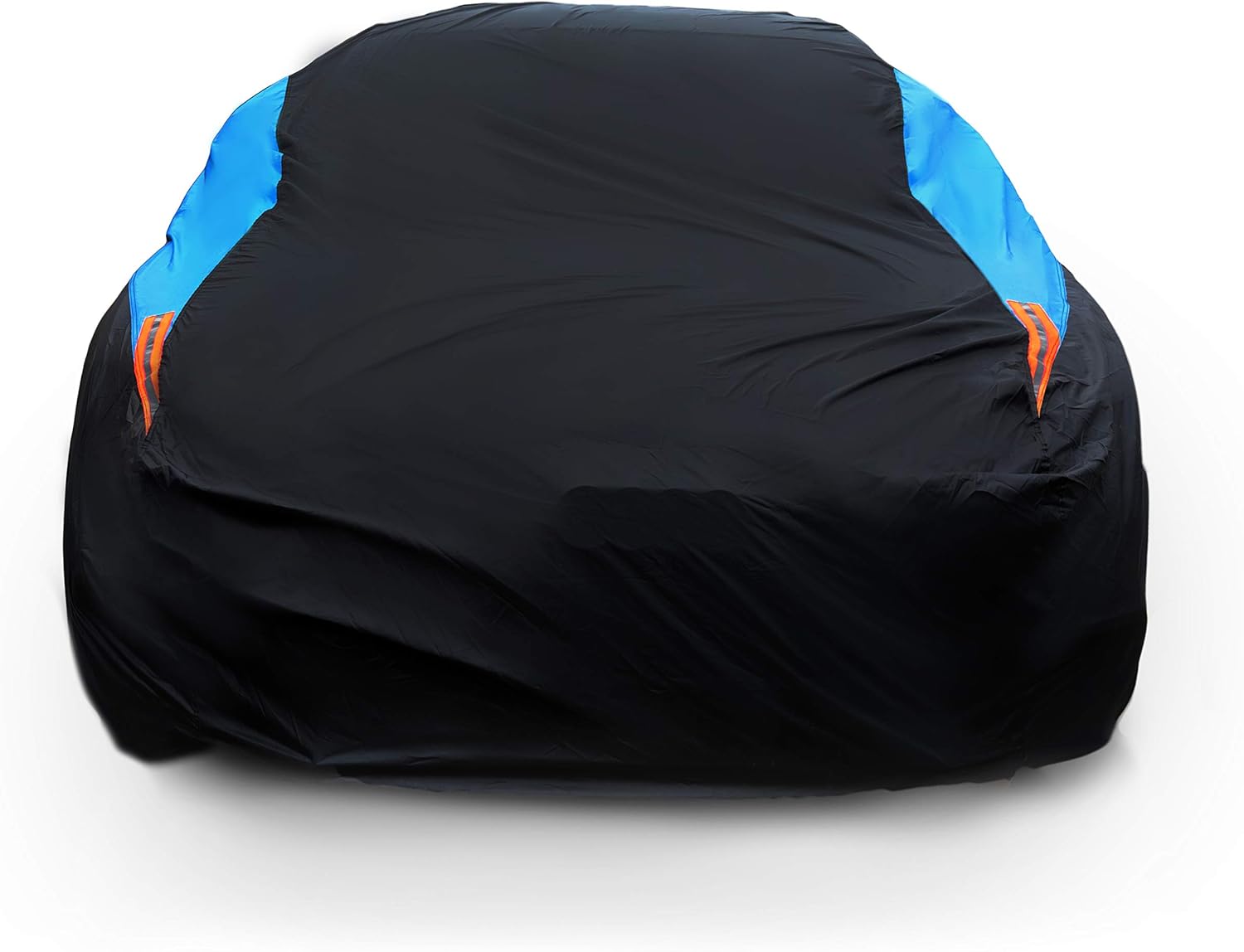
How to Repair a Torn Car Cover at Home
A torn car cover doesn’t mean you need a new one. Most rips and small holes can be patched in under an hour with a few inexpensive supplies. Here’s how to do it right, by Daniel Brooks.
Quick Answer
Clean the torn area, flip the cover inside out, and apply a self-adhesive fabric patch (or sew one on) that overlaps the tear by at least half an inch on every side. For most polyester or vinyl covers, this holds up well without sewing or ironing.
What You’ll Need
- Isopropyl alcohol and a cloth or cotton ball (to clean the area)
- A repair patch — adhesive vinyl/fabric patch, iron-on patch, or repair tape, in a similar color and material to your cover
- Scissors
- A needle and strong thread (optional, for reinforcement)
- An ironing board or flat surface
Step-by-Step: Patching the Tear
- Find and assess the damage. Look for the full extent of the tear, including any small splits near the edges that aren’t obvious yet.
- Turn the cover inside out and lay the damaged section flat on an ironing board or table. Wrinkles in the fabric can turn into permanent wrinkles in the repair, so smooth the area out first.
- Clean the area. Dampen a cloth with isopropyl alcohol and wipe around the tear to remove dirt and oils, then let it dry fully. This helps the adhesive bond properly.
- Cut your patch. Cut it about one inch wider than the tear on every side so it has room to hold when the fabric stretches over the car.
- Apply the patch. Peel off the backing and press the patch firmly over the tear from the center outward, smoothing out any air bubbles as you go.
- Reinforce if needed. For high-stress areas (near mirrors, spoilers, or seams), sew around the patch edges with a zigzag stitch for extra durability.
- Let it cure. Give adhesive patches at least 24 hours to bond fully before using the cover again.
⚠️ Watch Out For This
Iron-on patches can melt straight through thin synthetic cover material instead of bonding. If you’re not sure of your cover’s fabric, test a small inconspicuous spot first, or stick with a peel-and-stick adhesive patch instead.
Repairing Different Cover Materials
Car covers are usually made from polyester, vinyl, or leather-look material, and each one calls for a slightly different approach.
- Polyester/fabric covers: Self-adhesive fabric patches or iron-on patches (tested on a low setting first) work well.
- Vinyl covers: Adhesive vinyl patches are water-resistant and don’t require heat.
- Leather or leather-style covers: Lightly sand the rip’s edges, clean with alcohol, then use a leather repair compound matched to your cover’s color.
When a Tear Can’t Be Repaired
Some damage is beyond a patch. Consider replacing the cover instead if you see:
- Large tears running across multiple seams
- Widespread thinning or brittleness from UV damage
- Mold or mildew that has weakened the fabric itself
- Repeated tearing in the same spot even after patching
What Most People Get Wrong
- “Duct tape is a fine permanent fix.” It works in a pinch, but it degrades fast in sun and rain and can leave sticky residue. Use it as a temporary fix only.
- “Any patch will do.” Mismatched materials (like a cotton patch on a polyester cover) won’t bond well or hold up outdoors. Match the patch type to your cover’s fabric.
- “Bigger patches are always better.” Oversized patches are more likely to catch wind and peel at the edges. Stick close to the one-inch overlap rule.
Preventing Future Tears
A patched cover lasts a lot longer if you avoid the habits that caused the damage in the first place. Pulling a cover off too quickly can scratch your paint and rip the cover itself, and putting a cover on a freshly painted car before the paint has fully cured can transfer paint onto the fabric and ruin both. Store the cover loosely when not in use, and avoid dragging it over rough or sharp surfaces.
Recommended Product
GEAR AID Tenacious Tape Repair Patches
These peel-and-stick patches bond to nylon, polyester, and vinyl without sewing or heat, making them a solid match for most car cover materials.
Conclusion
Most torn car covers are an easy fix, not a reason to buy a replacement. Clean the area, choose the right patch for your cover’s material, and give the adhesive time to cure. Right now, go check your cover for any small tears before they grow bigger.
Frequently Asked Questions
Can I use duct tape to fix a torn car cover?
Yes, temporarily. It holds in a pinch but breaks down quickly in sun and rain, so treat it as a short-term fix until you can apply a proper patch.
Do I need to sew a patch, or is adhesive enough?
Adhesive alone is usually enough for most tears. Sewing adds extra hold in high-stress spots like near mirrors or spoilers.
What’s the best material for patching a polyester car cover?
A self-adhesive fabric or nylon patch made for outdoor gear works best, since it bonds to synthetic fabrics without melting them like an iron sometimes can.
How long does a patch take to fully bond?
Most adhesive patches need about 24 hours to cure fully before the cover should be used again.
Can a leather car cover be patched at home?
Yes. Clean and lightly sand the tear’s edges, then apply a leather repair compound matched to the cover’s color.
Why did my iron-on patch melt a hole in my cover?
Some synthetic cover fabrics are sensitive to heat. Test any iron-on patch on a hidden spot first, or use a no-heat adhesive patch instead.
At what point should I just replace the cover instead of repairing it?
If the fabric is thin and brittle from sun damage, or the same spot keeps tearing after repairs, a new cover is usually the better investment.

Daniel Brooks is an automotive writer and product researcher focused on car accessories, car tech, maintenance, and practical driving guides. At Plug-in Car World, he helps drivers make smarter automotive decisions through honest reviews and research-driven content.