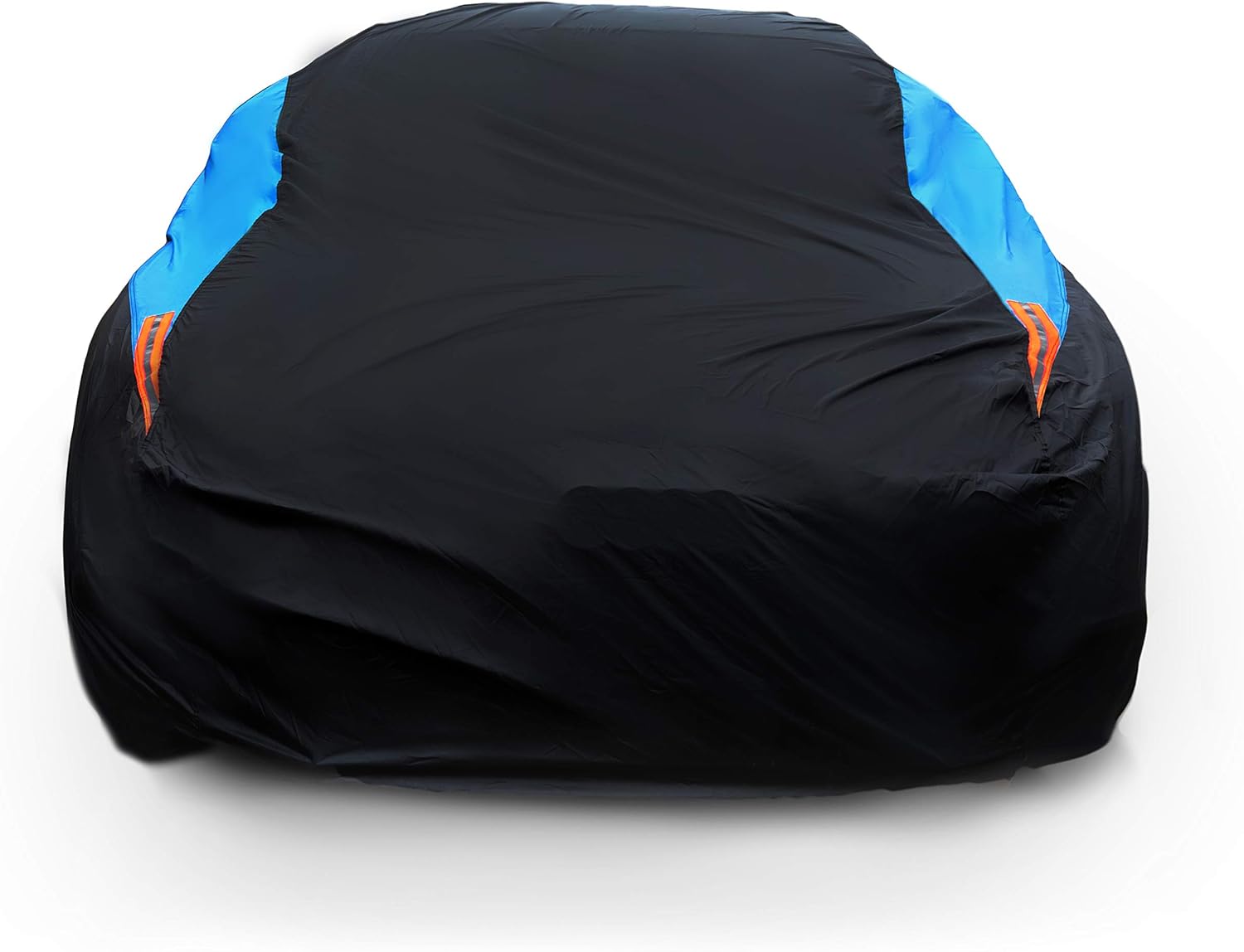
Remove Tree Sap From a Car Cover Safely
Quick Answer
You can remove tree sap from a car cover by softening it with warm soapy water first, then treating any leftover residue with diluted isopropyl alcohol on a soft cloth. Fresh sap usually lifts in minutes, but hardened sap needs longer dwell time and gentler pressure to protect the fabric’s waterproof coating.
How to lift sap from cover fabric
-
1
Soak the sap spot with warm water and mild soap for 10 minutes -
2
Blot gently, never rub, to lift the softened sap -
3
Treat stubborn residue with diluted rubbing alcohol on a cloth
Mistakes to avoid on cover fabric
-
✓
Never use acetone or paint thinner on cover fabric -
✓
Skip razor blades and stiff brushes on woven material -
✓
Don’t use high-pressure washers directly on the stain
Daniel Brooks here. You pull your car cover off on a Saturday morning and spot it right away: a dark, tacky blotch of tree sap stamped into the fabric like a bruise. It’s stiff under your thumb and it’s not budging with a quick wipe.
Tree sap on paint is one problem. Tree sap soaked into woven or coated cover fabric is a different one, because the wrong cleaner can strip the waterproof layer along with the stain. Get the method right, and that cover comes back looking almost new.
📌 Key Takeaways
-
→
Fresh sap lifts with warm soapy water alone in most cases. -
→
Hardened sap needs a 10-minute soak before it will release. -
→
Isopropyl alcohol works on cover fabric, but only diluted and only as a second step. -
→
Acetone and paint thinner strip the fabric’s waterproof coating and can bleach color.
How Do You Remove Tree Sap From a Car Cover?
Start gentle and only escalate if you have to. Cover fabric is more delicate than painted metal, so the goal is patience, not force.
🔢 Step-by-Step: Removing Sap From Cover Fabric
-
1
Lay the cover flat
Spread the cover on a clean surface so you can work the spot without stretching the fabric.
-
2
Mix warm water with mild soap
Use a gentle dish soap. Skip anything with bleach or degreasers.
-
3
Soak the sap for 10 minutes
Press a soapy cloth onto the spot and let it sit. This softens hardened sap so it releases instead of smearing.
-
4
Blot, don’t rub
Lift the sap with a blotting motion. Rubbing grinds the sticky residue deeper into the weave.
-
✓
Air dry fully
Let the cover dry completely before folding or storing it to prevent mildew.
If soap and water alone don’t fully clear the spot, that’s normal for sap that’s been baking in the sun for a few days. Move to the next step.
What If the Sap Won’t Come Off With Just Soap and Water?
Hardened sap that survives the soak needs a mild solvent. Textile care guidance recommends applying alcohol to the stain with an absorbent pad, changing the pad as it picks up the stain, and pressing firmly each time. The same approach works on car cover fabric.
📋 Escalation Order for Stubborn Sap
-
Soapy water: Always the first move, even on old sap. -
Diluted isopropyl alcohol: Mix roughly 1 part alcohol to 3 parts water. Apply to a cloth, not directly to the fabric. -
Fabric-safe multi-surface cleaner: A last resort for sap that won’t budge after two soak cycles.
Solvents that shift sap from painted metal, like acetone or paint thinner, work just as fast on synthetic fibers but strip the fibers and waterproof coating along with the sap, sometimes bleaching the color too. That’s the core difference between treating paint and treating fabric. So what does that mean for you? Stick to soap, water, and diluted alcohol, and always test on a hidden seam first.
Why Does Tree Sap Stick So Hard to Car Cover Fabric?
Sap is sticky because of its chemistry, and cover fabric makes that worse because of its weave.
📋 Why Sap Bonds to Fabric
-
Sticky resin content: Sap contains sugars and resin compounds that harden into a solid, glue-like coating as they dry. -
Woven texture: Fabric fibers grip sticky residue far more than smooth painted metal does. -
Heat exposure: Sun heat accelerates hardening, so a spot left for a few days is much tougher than one caught fresh.
Best Product to Use on a Car Cover Fabric Stain
For everyday sap, bird droppings, and general grime on fabric covers, a dedicated multi-surface cleaner saves you from testing random household products.
Recommended Product
CarGuys Super Cleaner – Effective All Purpose Cleaner, 18 oz Kit
★★★★★ 4.7 out of 5 stars on Amazon
A no-rinse, water-based formula labeled safe on fabric, canvas, and upholstery, with tree sap listed among the stains it’s designed to lift.
As an Amazon Associate, we earn from qualifying purchases.
What Products Should You Never Use on a Car Cover?
⚠️ Warning
Never use acetone, paint thinner, nail polish remover, or a razor blade on car cover fabric. These strip waterproof coatings, bleach color, and can tear woven material that paint would easily withstand.
Products made for hard, glossy surfaces are the wrong tool here. That’s not all. Even undiluted rubbing alcohol left too long can dull certain fabric coatings, so always dilute it and test a hidden spot first.
How Can You Prevent Sap Stains on Your Car Cover?
💡 Key Insight
The cover’s whole job is to take the sap hit instead of your paint, so a stained cover is doing exactly what it’s supposed to do.
Still, a little prevention keeps cleaning sessions shorter.
- Park away from heavy-sap trees like pine, maple, and birch when possible.
- Check the cover weekly during spring and summer sap season.
- Treat spots while fresh since fresh sap wipes away far easier than sap baked on for days.
What Most People Get Wrong About Removing Sap From a Car Cover
Most guides online cover sap removal from car paint, not cover fabric, and people apply the same aggressive solvents to both. That’s a mistake. Fabric absorbs and holds chemicals differently than a sealed painted surface.
Another common error is scrubbing hard right away. Hard scrubbing on dry, hardened sap just grinds it deeper into the weave and can fray the fibers around the stain.
Frequently Asked Questions
How do you get tree sap off your car without ruining paint?
Address sap quickly with a soft microfiber cloth and a product made specifically for sap removal, then reapply wax to the treated area since the removal process strips protective coating.
Can tree sap damage a car’s paint?
Yes. Left untreated, sap can etch into the clear coat and cause permanent discoloration, which is one reason a car cover is worth using in the first place.
Does rubbing alcohol remove tree sap from fabric?
Diluted rubbing alcohol can dissolve sap on fabric when applied with a pad and pressed against the stain repeatedly, changing the pad as it picks up residue.
Is Dawn dish soap effective on tree sap?
A gentle dish soap combined with warm water can be effective on tree sap, and it’s the safest first step to try on any cover fabric before moving to stronger solvents.
Can you use WD-40 on a car cover?
WD-40 can loosen sap, but it leaves an oily residue on fabric that needs thorough soap-and-water rinsing afterward, so use it sparingly and only as a last resort on covers.
How long does it take for sap to damage a car cover?
Sap hardens within a few days under sun exposure, and the longer it sits, the more it bonds to the fabric weave, so treating it within the first day or two is easiest.
Should you machine wash a car cover to remove sap?
Only if the manufacturer’s care label allows it. Many covers require hand washing or gentle cycles to protect the waterproof coating, so check the label before machine washing.

Daniel Brooks is an automotive writer and product researcher focused on car accessories, car tech, maintenance, and practical driving guides. At Plug-in Car World, he helps drivers make smarter automotive decisions through honest reviews and research-driven content.