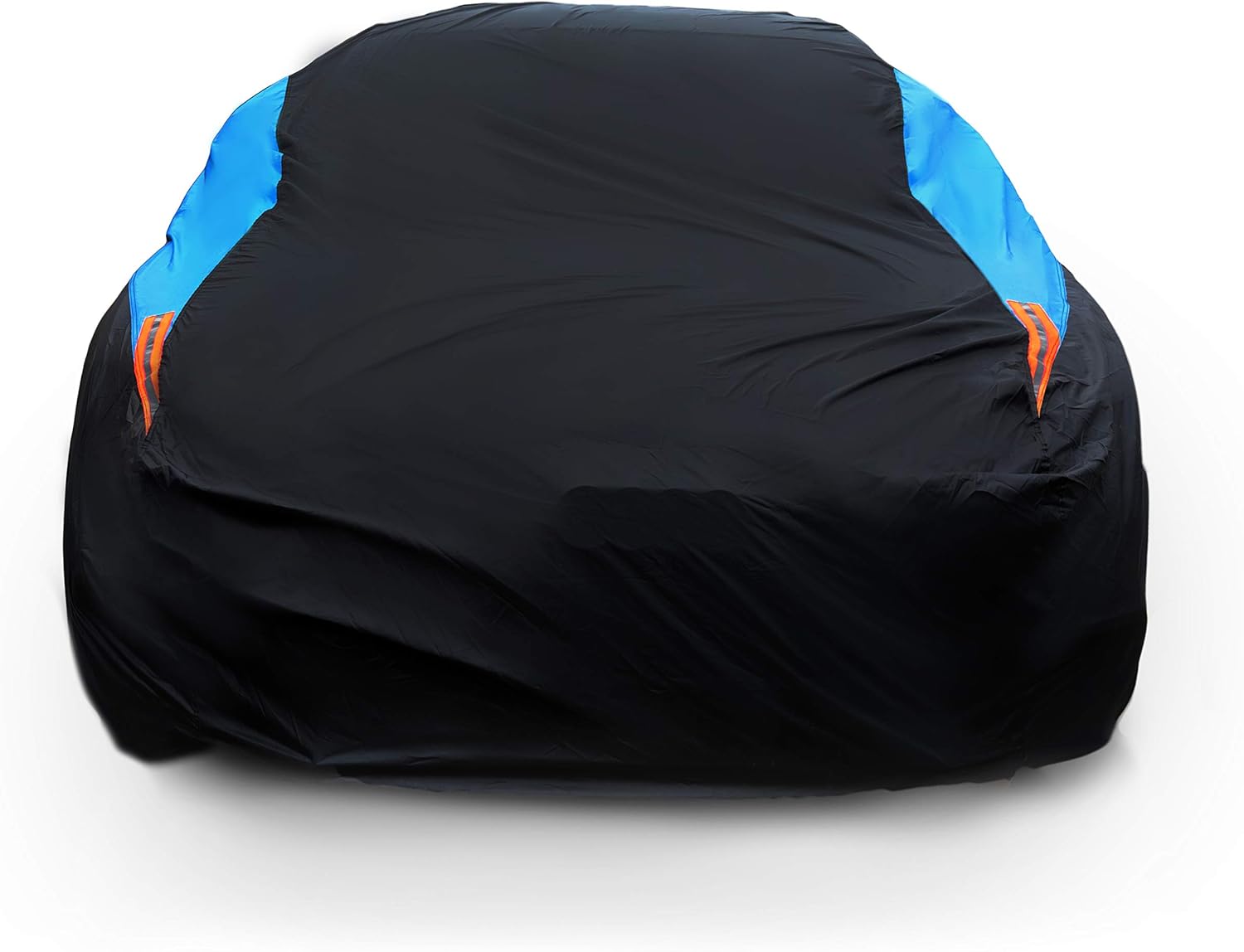
How to Remove Tree Sap From a Car Cover Without Ruining the Fabric
⚡ Quick Answer
Soften tree sap on a car cover with warm soapy water first, then dab the spot with 70% isopropyl alcohol on a cloth. Most fabric car covers come clean in under 10 minutes, but always test alcohol on a hidden patch first.
3 Steps To Clear Sap Off A Car Cover
-
1
Soak the spot in warm, soapy water for 5 minutes. -
2
Dab with rubbing alcohol after a colorfastness test. -
3
Rinse, then air dry away from direct sun.
Mistakes That Ruin A Car Cover
-
✓
Don’t scrape dried sap with a metal blade. -
✓
Don’t skip the patch test on colored fabric. -
✓
Don’t machine dry the cover after cleaning.
Your car cover did its job. It caught the sap so your paint didn’t have to. Now there’s a hard, sticky patch right where a branch hung over your parking spot.
You probably already tried wiping it with a damp rag, and it barely budged. That’s normal. Dried sap clings to fabric fibers the same way it clings to bark.
I’m Daniel Brooks, and I’ve pulled sap off more car covers than I can count after years of parking under oaks and pines. The fix is simple once you know which products are fabric-safe and which ones will leave a stain or a stiff patch behind. Here’s exactly how to do it.
📌 Key Takeaways
-
→
70% isopropyl alcohol breaks down sap on most synthetic car cover fabrics. -
→
A patch test on a hidden seam prevents color loss before you treat the visible spot. -
→
Heat sets sap deeper into fibers, so always work in shade, not direct sun. -
→
Machine dryers can shrink or melt car cover fabric, even after a successful clean.
How Do You Remove Tree Sap From a Car Cover?
Soak the sap spot in warm soapy water, then treat it with rubbing alcohol on a soft cloth. This two-stage approach softens the sap and breaks its grip on the fabric without scrubbing hard enough to wear down the weave. Most spots lift within one or two treatments, even if the sap has been baking in the sun for a few days.
If you’re dealing with someone who’s never cleaned a car cover before, here’s the thing: rushing straight to a strong solvent is the most common mistake. Soap and water first means you’ll need less alcohol later, which is gentler on color and coating.
🔢 Step-by-Step: Sap Removal From A Car Cover
-
1
Remove the cover and lay it flat
Work in a shaded spot so the sun doesn’t bake the sap deeper into the weave.
-
2
Soak the spot in warm soapy water
Press a soapy cloth onto the sap for 5 minutes to start breaking it down.
-
3
Test alcohol on a hidden seam
Dab a hidden corner with rubbing alcohol and check for color change after 1 minute.
-
4
Dab the sap with alcohol
Let it sit 30 seconds, then gently rub in small circles until the sap lifts.
-
✓
Rinse and air dry
Rinse with clean water and hang the cover in the shade until fully dry.
So if the sap is fresh, say from this week, you can likely skip straight to the alcohol step. But here’s why soaking still helps: it loosens dirt trapped in the same spot, so the alcohol can reach the sap directly instead of fighting through grime first.
What Household Items Safely Dissolve Sap on Fabric?
Rubbing alcohol, mild dish soap, and white vinegar are the safest household options for sap on a car cover. Each one breaks down sap’s sticky resin in a different way, so picking the right one depends on how stubborn the spot is and how delicate the fabric feels.
You already know soap and water clean most messes. What you might not know is that 70% isopropyl alcohol is the same active ingredient found in many commercial sap removers, just without the added fragrance and dye.
This table compares the three safest household options so you can pick the right one for your cover’s fabric and the sap’s age.
Start with the gentlest option that matches your sap’s age, and only move up the table if the spot doesn’t lift.
Most experts agree that alcohol-based solvents work faster than oil-based ones like WD-40 on fabric specifically, since fabric absorbs oil and can hold onto a greasy stain long after the sap is gone.
Is It Safe to Use Rubbing Alcohol on a Car Cover?
Rubbing alcohol is safe on most polyester and nylon car covers, but it can fade dye on brightly colored or treated fabric. The fix is a quick patch test: dab a hidden seam, wait one minute, and check for any color change before treating the visible stain.
Here’s why this matters more than it seems. Alcohol works as a solvent, meaning it can dissolve more than sap. On some dyes, it lifts color along with the sticky residue, leaving a lighter patch that’s more noticeable than the sap ever was.
✅ Tip
Dilute alcohol with an equal part of water for dark or treated covers, then increase strength only if the diluted version doesn’t work.
According to fabric care guidance from the University of Georgia Cooperative Extension’s textile care program, alcohol-based solvents can damage acetate and some synthetic blends, so a colorfastness check is always the safer first move on any fabric you can’t identify by label.
For sap that’s still wet or only a day old, you might not need alcohol at all. So what does that mean for you? Check the soap-and-water method first; save the alcohol for sap that’s already turned hard and glossy.
Does the Removal Method Change by Car Cover Material?
Yes, the safest method depends on whether your cover is polyester, polypropylene, or vinyl. Polyester and polypropylene respond well to alcohol and mild soap, while vinyl needs gentler treatment since solvents can dry out and crack its surface over time.
📋 Removal Method By Fabric Type
-
Polyester: Handles soap and alcohol well. The most common and most forgiving car cover fabric. -
Polypropylene: Lightweight and breathable, but tears easily. Scrub gently, not hard. -
Vinyl: Wipe with diluted soap first. Skip strong alcohol, which can dry out the coating.
That’s not all. If you can’t tell what your cover is made from, check the care tag sewn into a seam. Most manufacturers list the fabric type right there, which saves you from guessing.
Recommended Product
Chemical Guys Convertible Top Cleaner and Protectant Kit (HOL_996)
★★★★☆ 4.5 stars, 1,000+ Amazon reviews
It’s built for soft fabric and vinyl surfaces, lifts tree sap without harsh chemicals, and the included protectant helps stop the next batch of sap from sticking as hard.
As an Amazon Associate, we earn from qualifying purchases.
What Should You Never Use to Remove Sap From a Car Cover?
Avoid acetone, bleach, and metal scrapers on a car cover. Acetone and bleach can strip dye and weaken fibers, while a metal blade can cut threads or fray the weave, leaving a permanent hole where the sap used to be.
⚠️ Warning
Nail polish remover often contains acetone, which is too harsh for most car cover fabrics even though it works fine on glass or windshields.
You might be thinking a razor blade would scrape sap off faster. Here’s why that’s risky on fabric specifically: a blade that’s safe on glass can snag a single thread, and one snagged thread can unravel a whole seam over a few washes.
What Most People Get Wrong About Cleaning Sap Off a Car Cover
Most people assume any car-paint sap remover is automatically safe on fabric. It isn’t. Many bug-and-tar removers are formulated with petroleum distillates meant for hard, sealed paint surfaces, and those same chemicals can soak into fabric and leave a permanent oily ring.
Another common mistake is waiting for a full wash day to deal with sap. Tree sap hardens fast in sun and heat, and the longer it sits, the more pressure you’ll need to scrub it off, which increases the risk of wearing thin the fabric’s weave.
Finally, people often skip drying the cover fully before folding it away. Trapped moisture under sap residue is a common cause of musty smells and mildew spots that show up weeks later.
How Do You Stop Sap From Sticking to Your Car Cover Again?
Park away from sap-heavy trees like pine, maple, and oak when you can, and shift your parking spot slightly every few days if you can’t avoid them. A fabric protectant spray adds a second layer of defense, making future sap easier to wipe off before it ever hardens.
✓ Quick Prevention Checklist
-
✓
Inspect your cover weekly during spring and summer sap season. -
✓
Treat fresh sap the same day, while it’s still soft. -
✓
Reapply a fabric protectant spray every few months.
A sap-stained car cover isn’t a lost cause. Soap and water handle most fresh spots, and rubbing alcohol clears the stubborn ones once you’ve checked for colorfastness. Skip the metal blades and harsh solvents, and your cover will keep doing its job for years.
One thing to do right now: Go check your car cover for any sap spots while they’re still soft enough to wipe off in under five minutes.
Frequently Asked Questions
How do you get tree sap off fabric without damaging it?
Soak the spot in warm soapy water first, then dab it with 70% isopropyl alcohol after testing a hidden seam for colorfastness. Rinse well and air dry away from direct sun.
Can you use WD-40 on a car cover?
WD-40 can loosen sap, but it leaves an oily residue that fabric absorbs more than paint does. Wash the spot with soap right after to avoid a lingering grease stain.
Will rubbing alcohol damage a car cover?
It can fade dye on some colored or treated fabrics. Always dab a hidden seam first and wait a minute to check for color change before treating the visible stain.
Can you machine wash a car cover with sap on it?
Spot-treat the sap before machine washing, since a regular wash cycle alone often won’t fully break down hardened sap. Check the care label for the right water temperature first.
How often should you clean a car cover?
Most covers need a full wash every 3 to 6 months, but spot-treat sap or bird droppings right away instead of waiting, since dried sap is much harder to remove.
Why does tree sap turn black on a car cover?
Sap darkens as it oxidizes in sunlight and picks up dirt and dust over time. The longer it sits untreated, the more it bonds with the surrounding grime and fabric fibers.
Can you use a clay bar on a car cover?
No. Clay bars are made for hard, sealed paint surfaces and can snag or tear soft fabric fibers. Stick with soap, water, and alcohol for car cover fabric instead.

Daniel Brooks is an automotive writer and product researcher focused on car accessories, car tech, maintenance, and practical driving guides. At Plug-in Car World, he helps drivers make smarter automotive decisions through honest reviews and research-driven content.