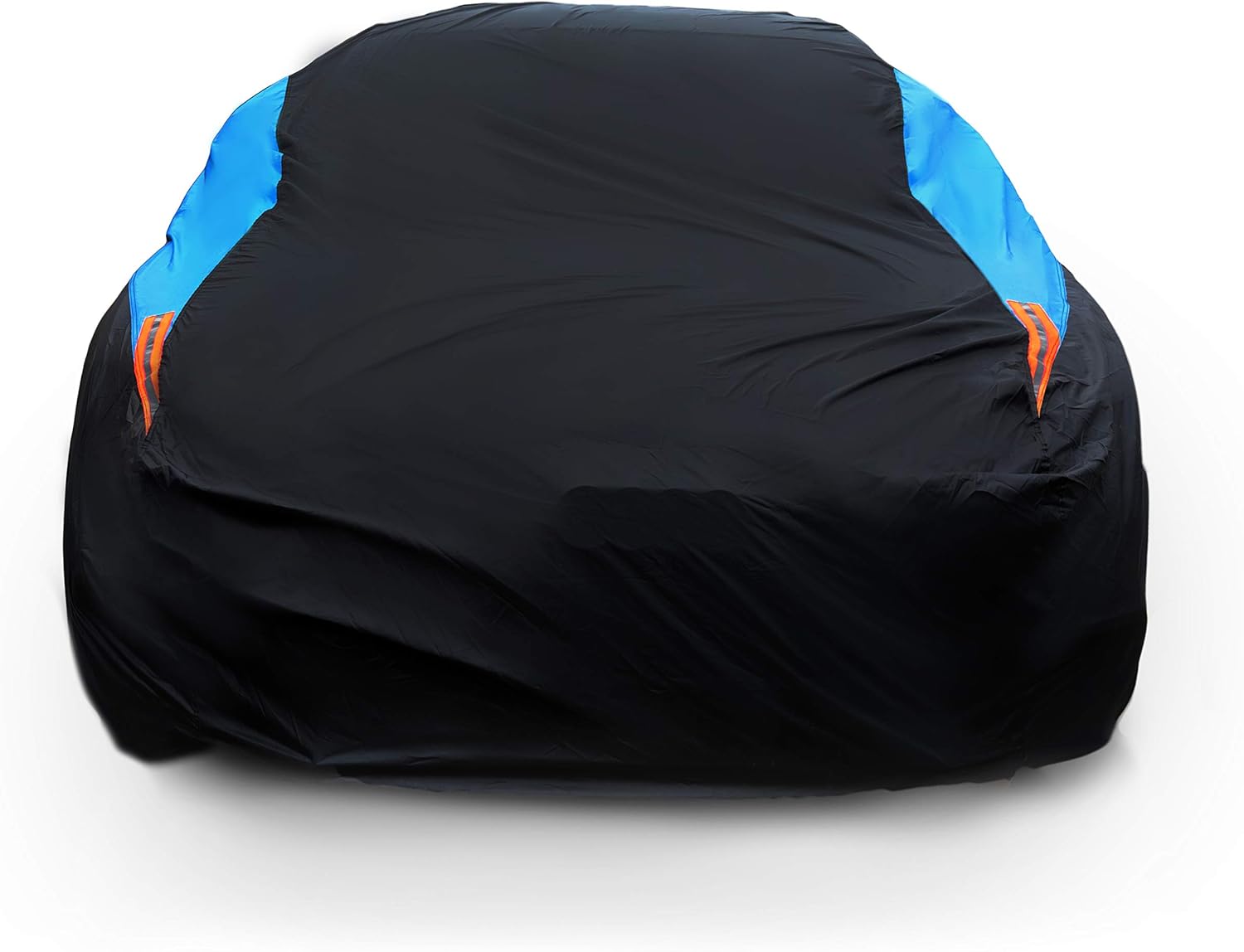
How to Remove Bird Droppings From a Car Cover
You walk outside, ready to head out, and there it is: a fresh splatter of bird droppings sitting right on top of your car cover. Good news first — bird droppings on a car cover are far less risky than droppings on bare paint, because the fabric is doing exactly the job it’s meant to do: taking the hit so your clear coat doesn’t have to. But droppings are acidic, and left too long they can still stain or weaken cover fabric. Here’s how to get them off safely, by Daniel Brooks.
Why You Shouldn't Ignore Bird Droppings on a Cover
Bird droppings are high in uric acid, typically in the pH 3–4.5 range. That’s acidic enough to bleach dye out of fabric and, over months of repeat exposure, weaken the coating that makes a cover water-resistant. The damage isn’t usually as fast or as dramatic as what droppings can do to paint, but a cover left uncleaned for a season will show it: dull white patches, stiffened fabric, and reduced water beading.
The fix isn’t complicated. Most droppings come off with mild soap, water, and a soft brush — no harsh chemicals required.
What You’ll Need
- A soft-bristle brush or microfiber cloth
- Mild dish soap or a gentle laundry detergent
- A bucket of warm water (or a spray bottle for spot-cleaning)
- A garden hose with low pressure — never a pressure washer
- A dry towel
Step-by-Step: Removing Bird Droppings From a Car Cover
1. Let it dry first if it’s already dried
If the droppings are already dry, don’t wet them right away — wetting can push the stain deeper into the weave. Instead, gently scrape off the loose, crusted material with a plastic scraper or your fingernail. If it’s still fresh and wet, skip this step and move straight to rinsing.
2. Rinse loose debris away
With the cover still on the car (or laid flat on a clean surface), rinse the affected area with a garden hose on low pressure. This clears grit and loose material before you introduce any soap, which keeps you from grinding debris into the fabric.
3. Spot-treat with mild soap
Mix about one ounce of mild dish soap or gentle laundry detergent with a gallon of warm water. Apply it to the stain with a sponge or soft brush, working in small circles with light pressure — never hard scrubbing, which can thin water-resistant coatings or wear down the fabric weave.
4. Let it sit, then rinse thoroughly
Give the soap 5–10 minutes to break down the residue, then rinse twice with clean water. A second rinse matters more than it sounds — leftover soap residue is one of the most common reasons a cover starts absorbing rain instead of shedding it.
5. Air-dry completely before folding or storing
Lay the cover flat or leave it on the vehicle to air-dry, out of direct sun if possible. Never machine-dry a car cover unless the manufacturer specifically says the fabric can handle it — heat can shrink or melt some cover materials. Folding a damp cover away is also a fast track to mildew.
What Most People Get Wrong About Cleaning a Car Cover
“I can just pressure wash it clean.” Pressure washers can drive water through the weave and strip the water-repellent finish, which defeats the entire purpose of the cover. Stick to a garden hose.
“Any laundry detergent will do.” Detergents with brighteners, bleach, or fabric softener can degrade water-resistant coatings and, in some cases, discolor the fabric. Mild, unscented soap is the safer bet.
“It’s fine to leave it wet under the cover bag.” Storing a car cover while it’s even slightly damp is one of the most common causes of mildew and musty odors that are much harder to remove than the original stain.
Check the Manufacturer’s Instructions First
Cover materials vary a lot — some are washing-machine safe, some should never be machine washed or dried, and some (like certain multi-layer or non-woven fabrics) need dry-cleaning avoided entirely because the chemicals affect the water-resistant treatment. If your cover came with a care tag or instruction sheet, that always overrides general advice like this. When in doubt, hand-washing with mild soap and air-drying is the safest default across almost every fabric type.
How to Prevent Bird Droppings on Your Cover Going Forward
- Park away from trees and power lines — the most common bird perching spots.
- Use a garage or carport when it’s an option; even partial overhead cover helps.
- Reapply a fabric guard spray periodically to keep the cover’s water- and stain-resistance working.
- Clean droppings promptly rather than letting them bake in the sun, which is when acid does the most damage.
Frequently Asked Questions
Can bird droppings damage a car cover permanently?
Yes, if left for a long time in direct sun. The uric acid can bleach fabric dye and break down water-resistant coatings, leaving a dull or stiff patch. Cleaning droppings within a day or two prevents most permanent damage.
Is it safe to machine wash a car cover?
Only if the manufacturer says so. Some covers tolerate a gentle cycle in a large, agitator-free washer; others must be hand-washed only. Check the care tag before machine washing.
Can I use WD-40 or vinegar on a car cover stain?
It’s best to avoid both. These work on painted surfaces but can leave residue or affect the water-repellent finish on cover fabric. Mild soap and water is the safer, manufacturer-recommended approach.
Do I need to remove the cover from the car to clean it?
No — you can spot-clean droppings with the cover still on the vehicle. Removing it is only necessary for a full wash or machine washing.
Why does bird poop stain fabric white?
The white portion of bird droppings is uric acid, which is more concentrated and more likely to leave a bleached-looking mark than the darker fecal matter mixed in with it.
One thing you can do right now: if there’s a fresh dropping on your cover today, rinse it with the hose before it has a chance to dry in the sun.
Sources: Coverstore — Cleaning & Storage for Vehicle Covers, Simple Green — How to Clean a Car Cover.

Daniel Brooks is an automotive writer and product researcher focused on car accessories, car tech, maintenance, and practical driving guides. At Plug-in Car World, he helps drivers make smarter automotive decisions through honest reviews and research-driven content.