What Causes Engine Hesitation During Acceleration?
Quick Answer Engine hesitation during acceleration is usually caused by a fuel delivery problem, a faulty sensor, or a weak…

Learn how to diagnose and fix common car problems including battery issues, brake noise, AC problems, warning lights, electrical faults, and more.
Quick Answer Engine hesitation during acceleration is usually caused by a fuel delivery problem, a faulty sensor, or a weak…
Quick Answer Your check engine light is on but the car runs fine because your car’s computer detected a problem…
Quick Answer Your car burns oil fast because oil is leaking into the combustion chamber and getting burned with fuel….
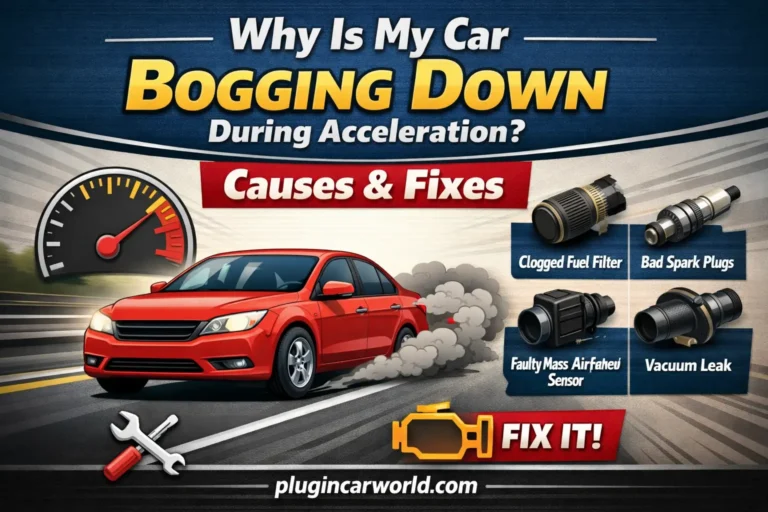
Quick Answer Your car bogs down during acceleration because the engine isn’t getting the right mix of fuel, air, or…
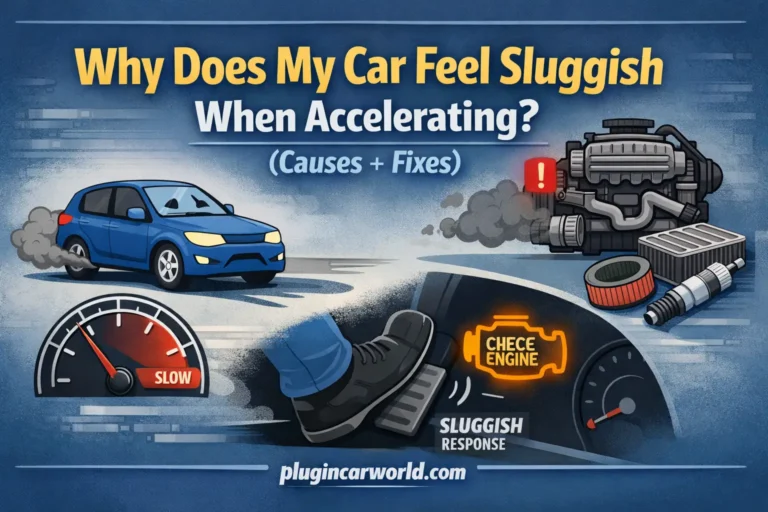
Quick Answer A car that feels sluggish when accelerating is usually starved of fuel, air, or spark. The five most…
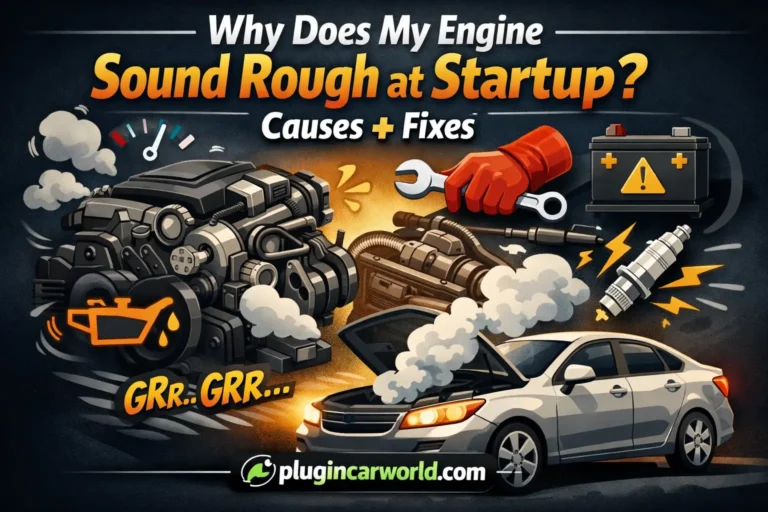
Quick Answer A rough engine sound at startup is usually caused by low oil pressure, worn spark plugs, dirty fuel…

Quick Answer A grinding noise from your car engine is most often caused by a failing starter motor, worn serpentine…
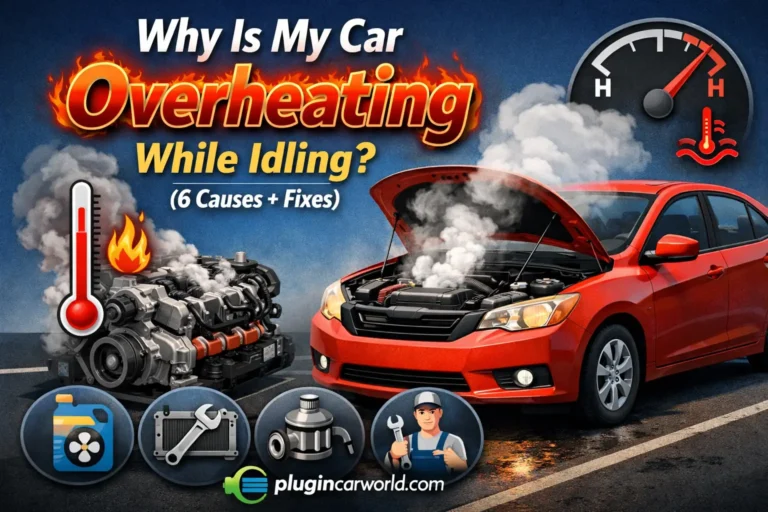
Your car overheats while idling because the cooling fan isn’t blowing enough air over the radiator when the vehicle is…
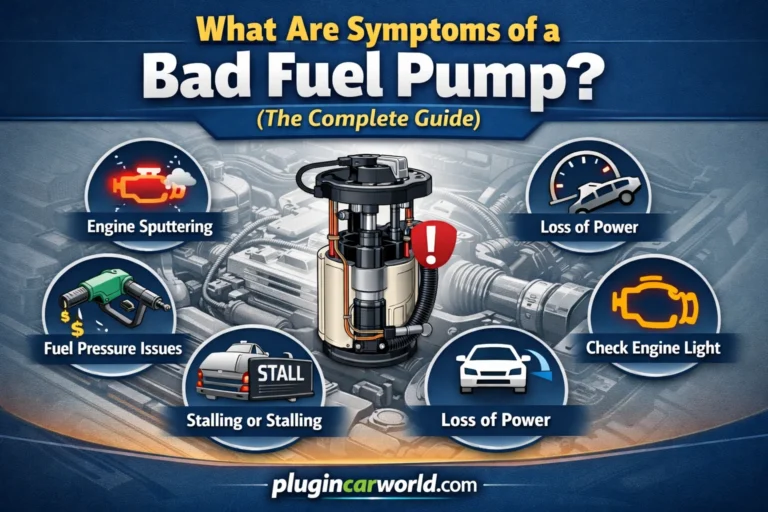
Quick Answer A bad fuel pump shows several warning signs before it fully fails. The most common symptoms are a…
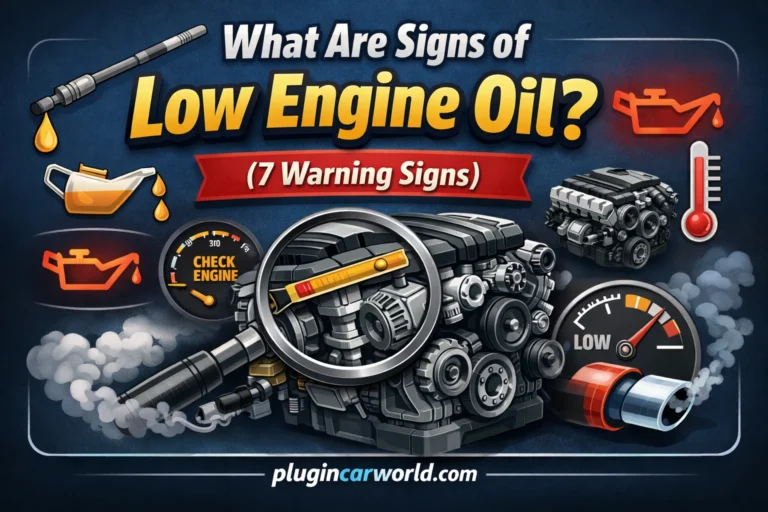
Quick Answer The most common signs of low engine oil are a glowing oil warning light, a loud knocking or…
Quick Answer A blown engine usually shows itself with loud knocking or banging sounds, thick white or blue exhaust smoke,…
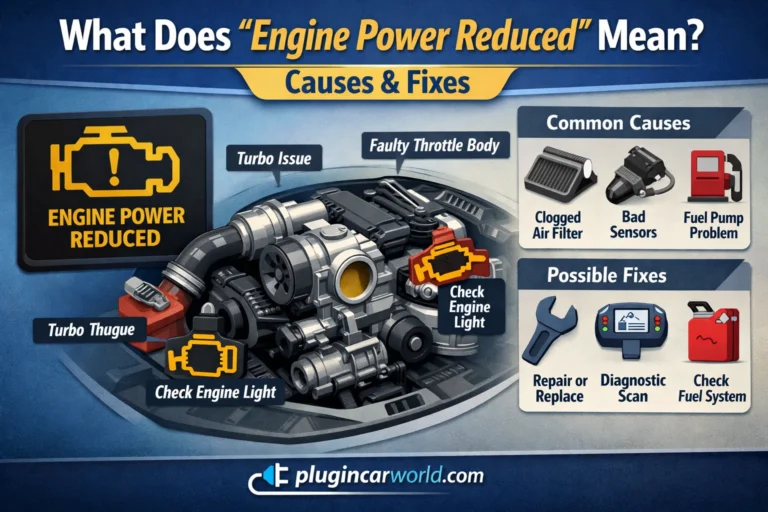
Quick Answer “Engine Power Reduced” means your car’s computer detected a fault and capped engine performance to prevent damage. This…
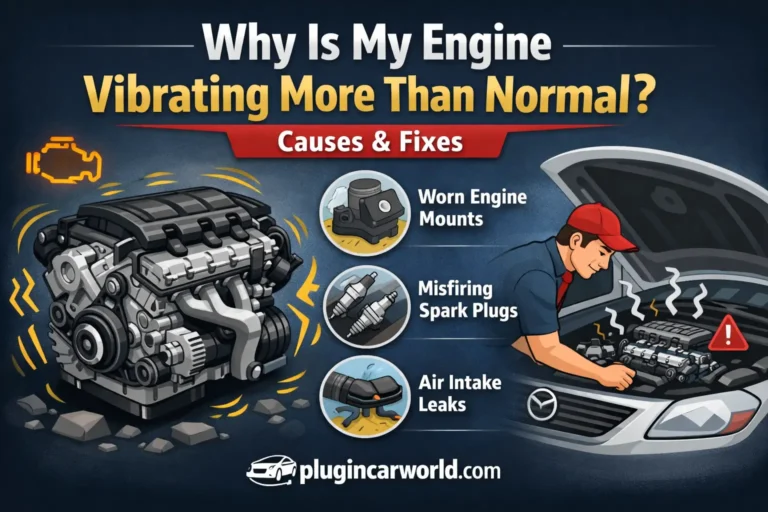
Quick Answer Your engine is vibrating more than normal because something has thrown it out of balance. The most common…
Quick Answer Your steering wheel shakes while driving because of unbalanced tires, worn suspension parts, warped brake rotors, bad wheel…